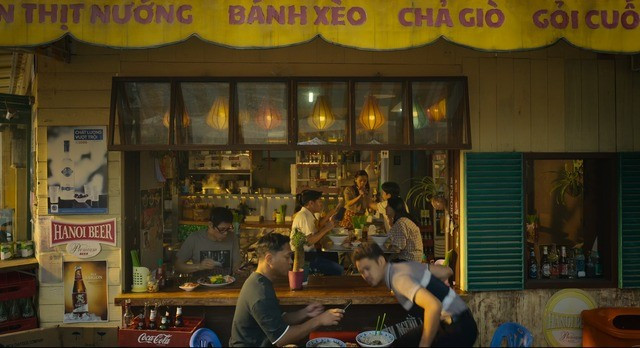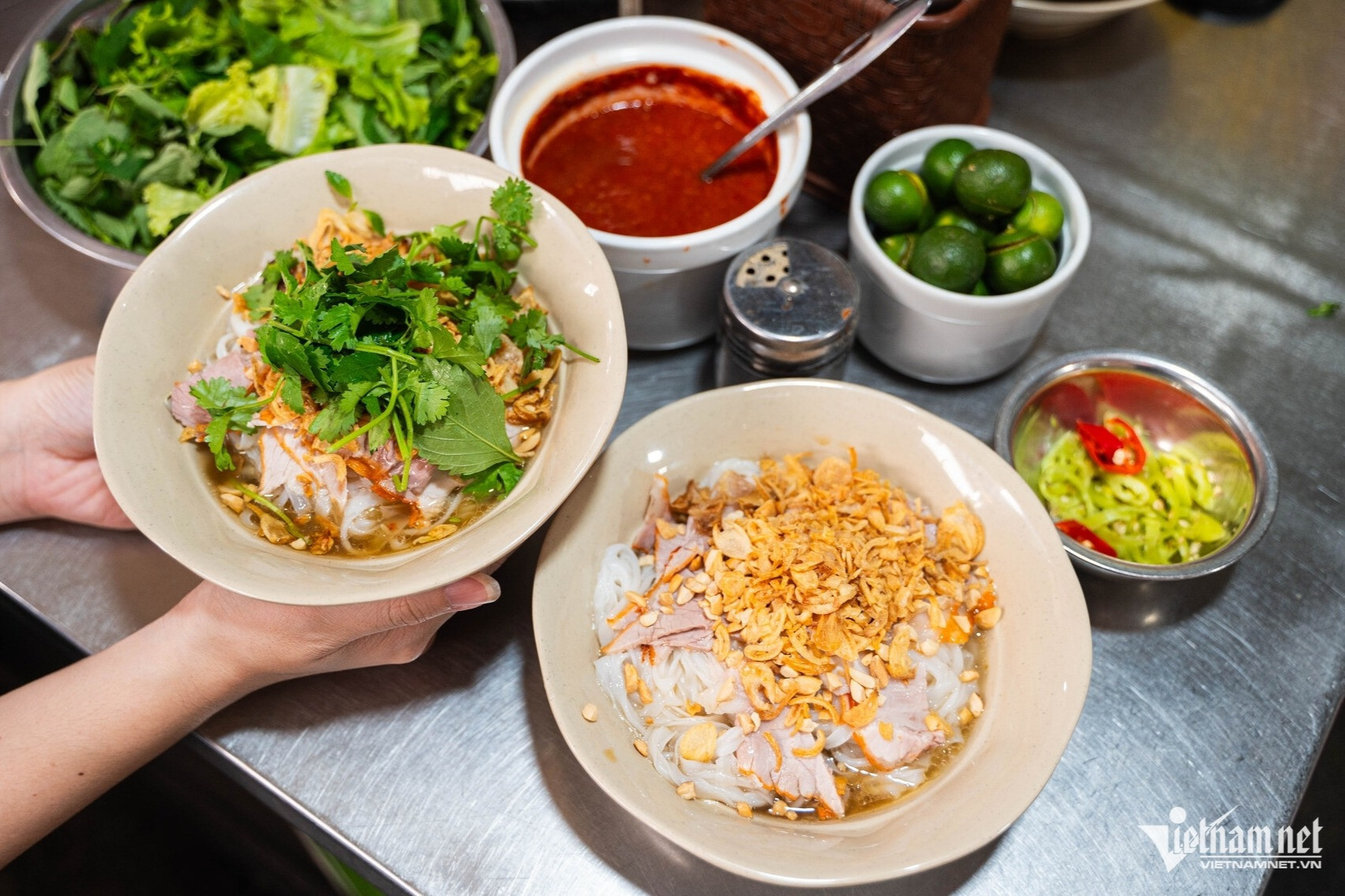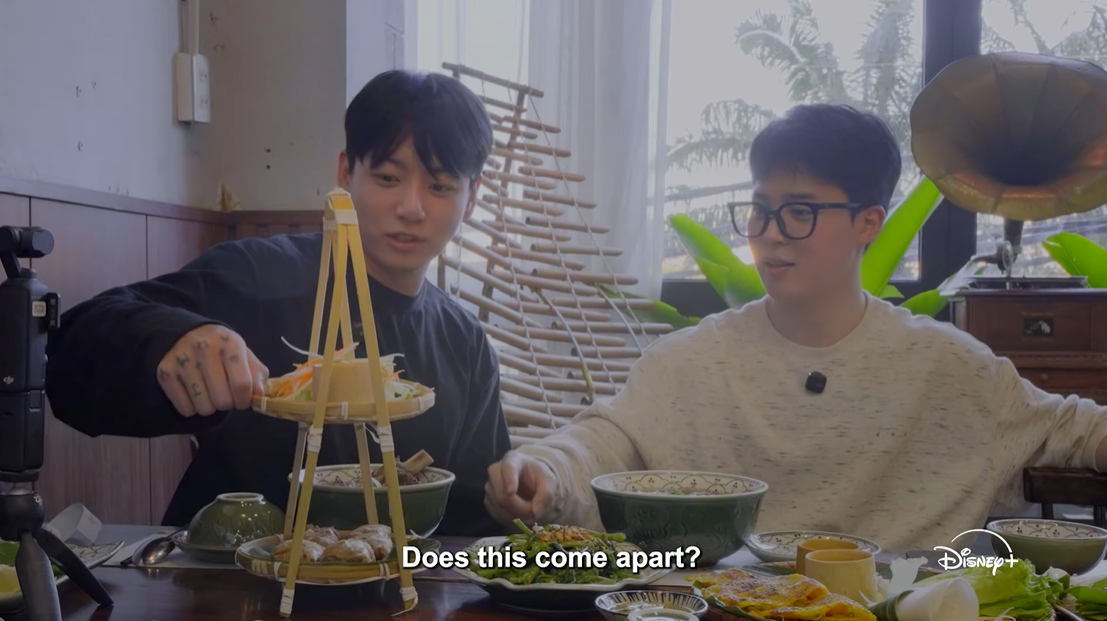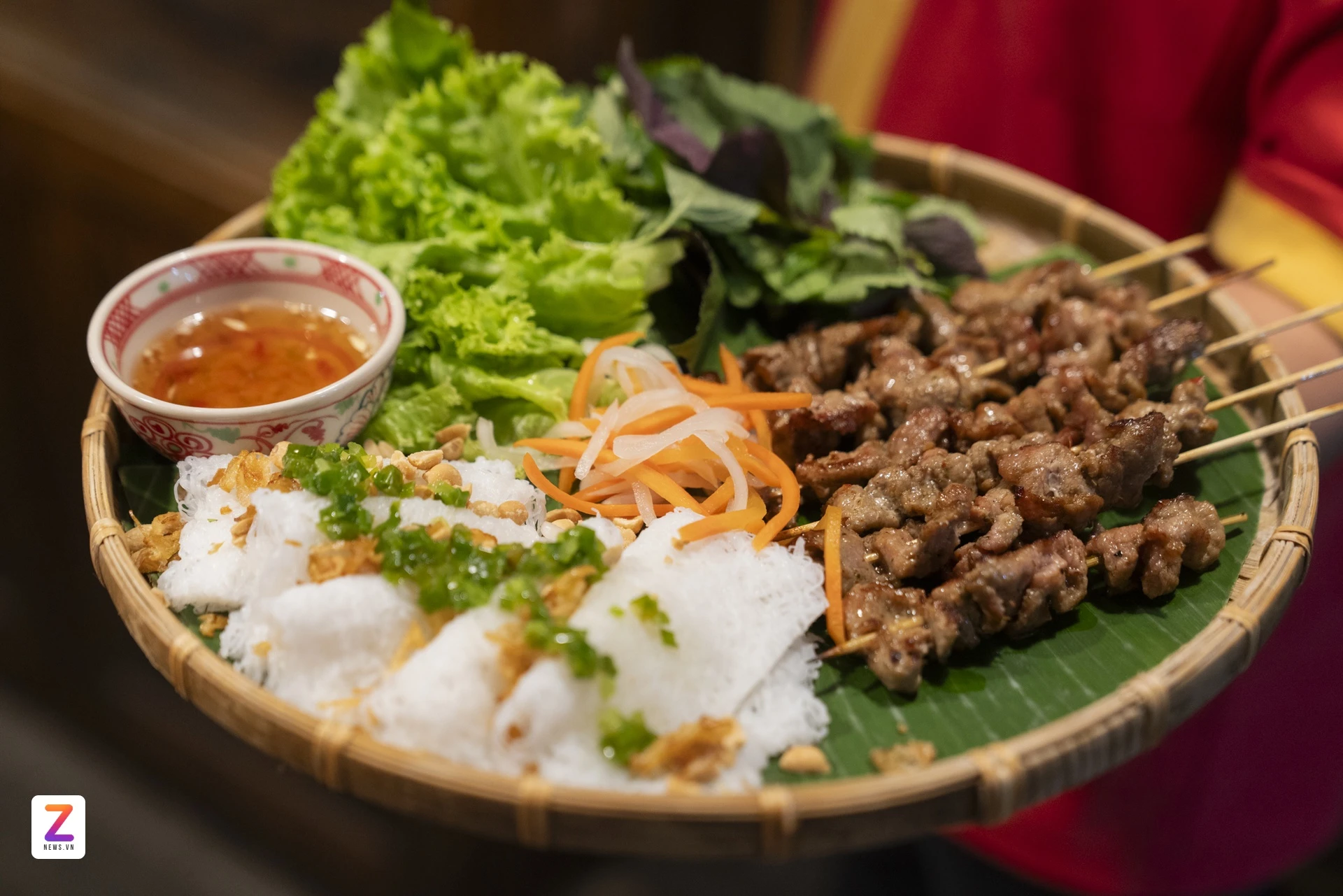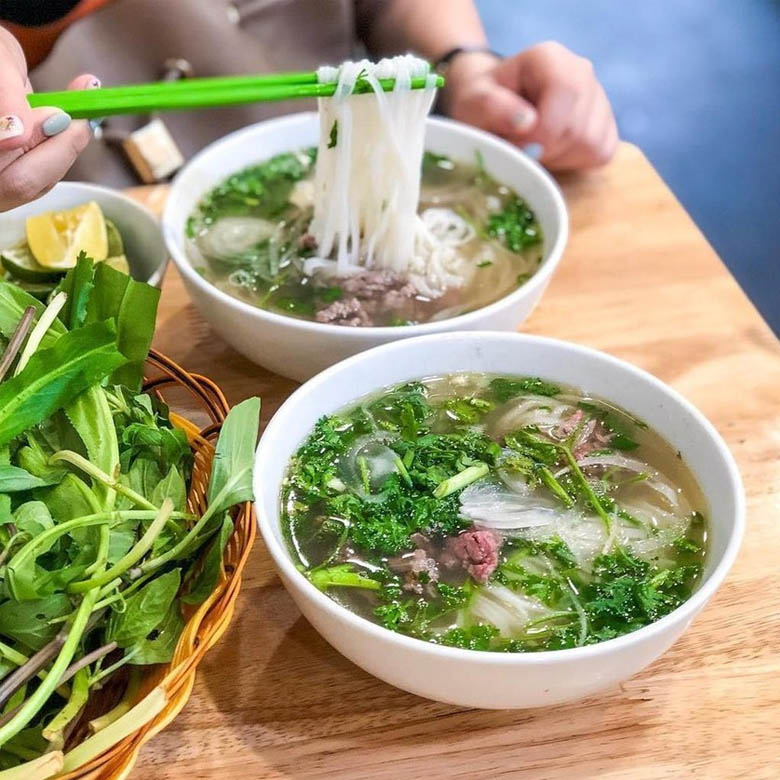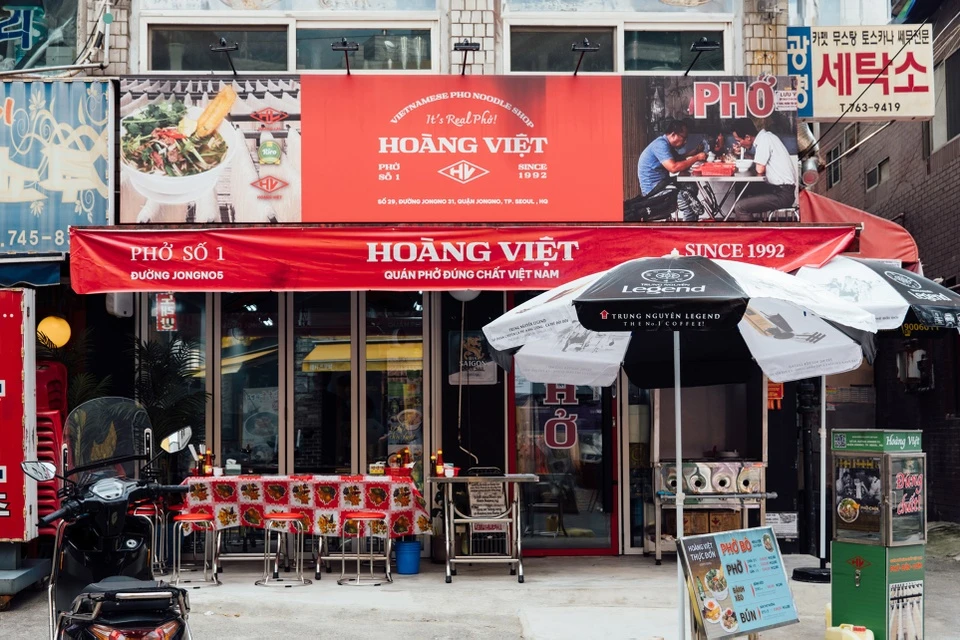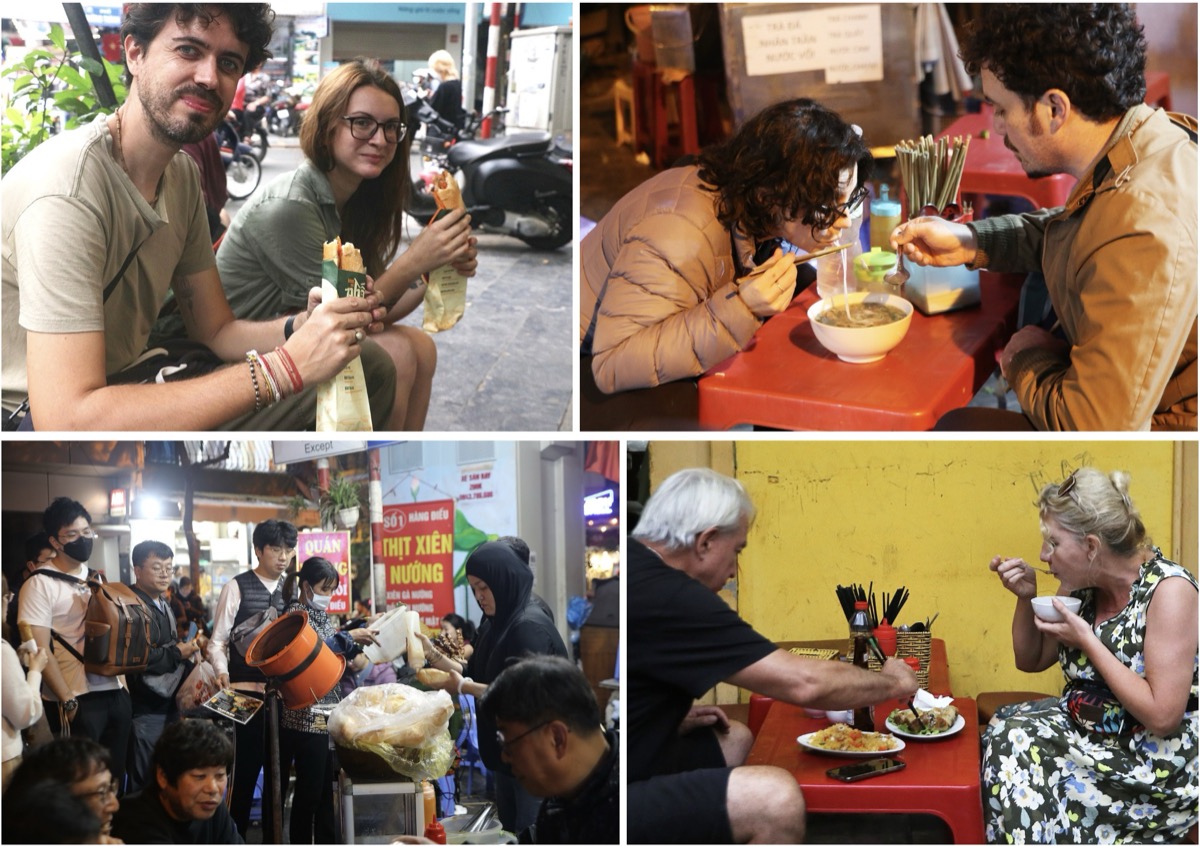
In the capital Seoul, images of Vietnamese restaurants operating all night or long lines of Korean diners waiting in line are no longer strange. This is the result of the strong increase in the Vietnamese community as well as changes in the consumer market in the land of kimchi.
Potential market from the community of more than 350,000 Vietnamese people in Korea
According to the latest data from the Immigration Department (Ministry of Justice of Korea) announced in mid-2024, the Vietnamese community in Korea has reached more than 300,000 people, firmly in the position of the second largest foreign community here, only after China. According to reports and statements from the Vietnamese Embassy in Korea by the end of 2025, the total number of Vietnamese people living, studying and working here has exceeded 350,000 people.
The growth of the community not only creates a sustainable internal consumption market but is also a premise for original culinary values to penetrate deeply into the lives of indigenous people. Areas such as Seoul, Gyeonggi-do or Gwangju are currently recording an explosion in the number of food and beverage establishments owned or operated by Vietnamese people.
Moving trend: From "foreign dishes" to everyday choices
If a decade ago, Vietnamese cuisine in Korea was limited to modified Pho (Ssal-guk-su) chains, then the period 2024-2025 will record a clear diversification.
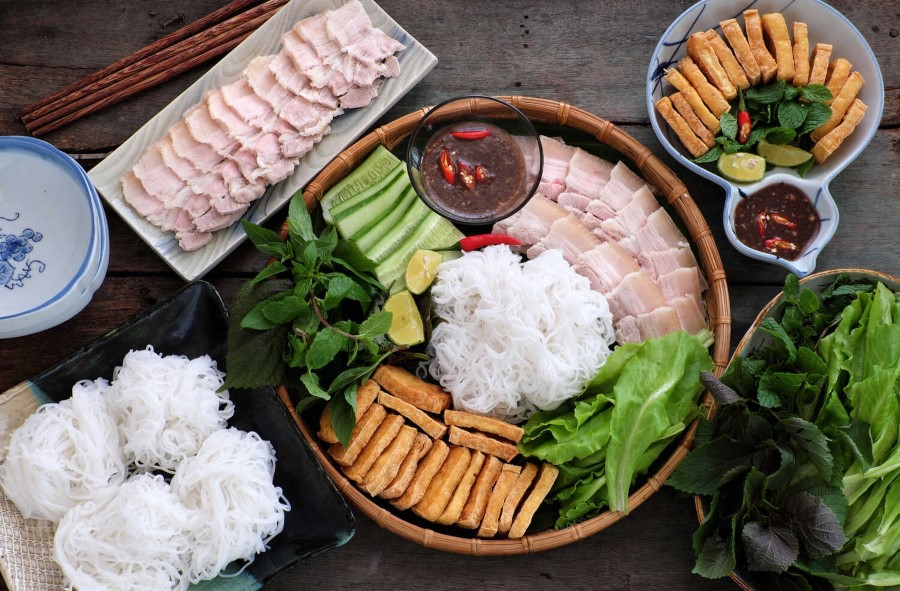
• Menu diversity: Regional specialties such as Bun with tofu and shrimp paste, Banh Xeo, Bun Cha and Banh Mi have appeared popular. Even "difficult to access" dishes such as Bun with tofu and shrimp paste are starting to attract a segment of Korean youth who love new taste experiences.
• Attraction from "Healthy" culture: A survey from Agoda in 2024 showed that Korean diners ranked Vietnamese cuisine as the top reason when choosing a travel destination. This trend spreads back to the Korean domestic market, where people are prioritizing dishes rich in green vegetables, low in fat and rich in nutrients.
• Success of actual events: Typically, Vietnam Pho Festival 2024 taking place in Seoul in October 2024 attracted about 10,000 visitors in just two days, affirming the commercial appeal of traditional dishes.
Business problem: Between localization and originality
Opening a Vietnamese restaurant in Korea today is not only an opportunity but also a strict competition in terms of quality and legality.
• Raw material supply chain: Finding sources of herbs (basil, coriander) or standard fish sauce is still a big challenge in terms of cost. Many restaurant owners have to flexibly use alternative or imported ingredients at high prices to keep the original flavor.
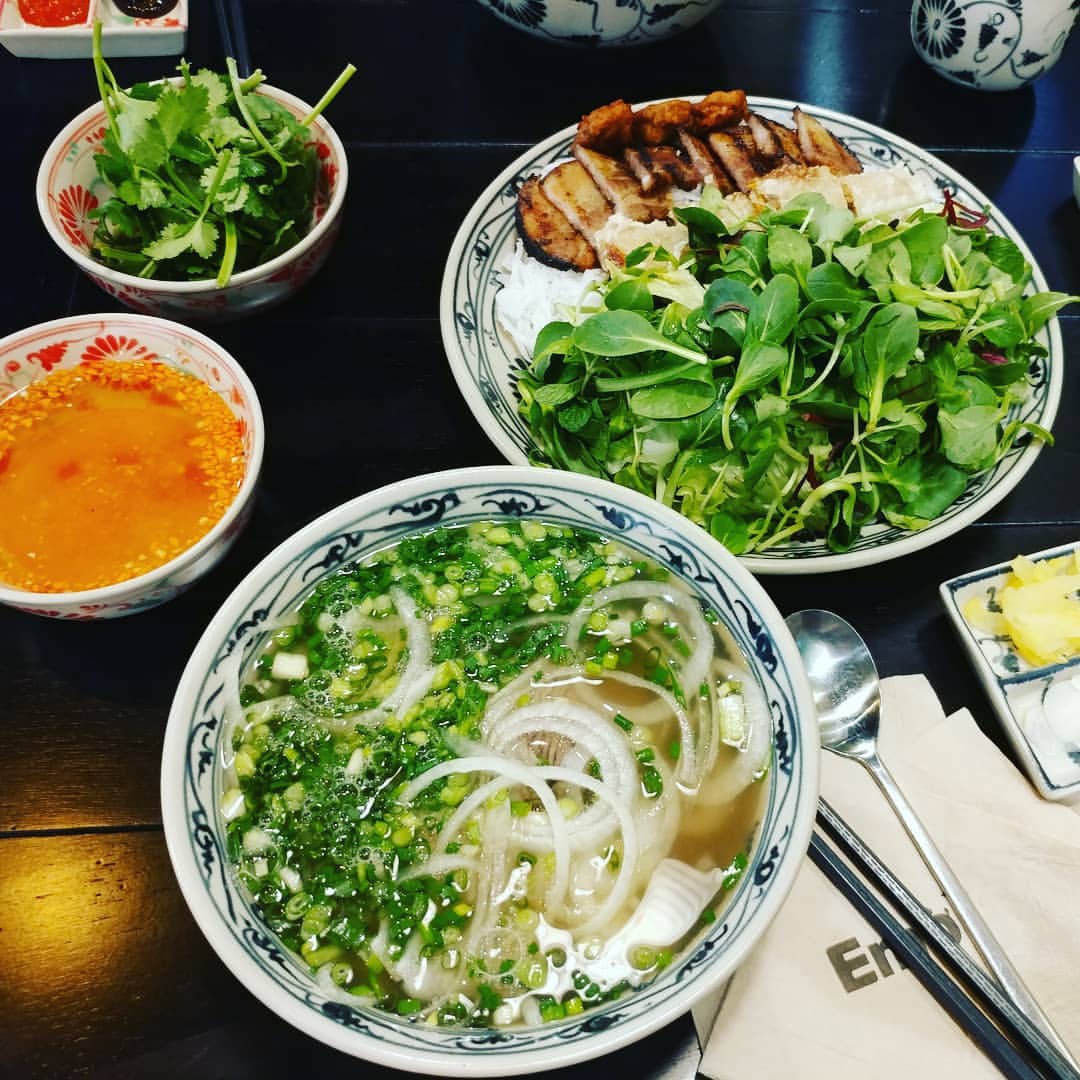
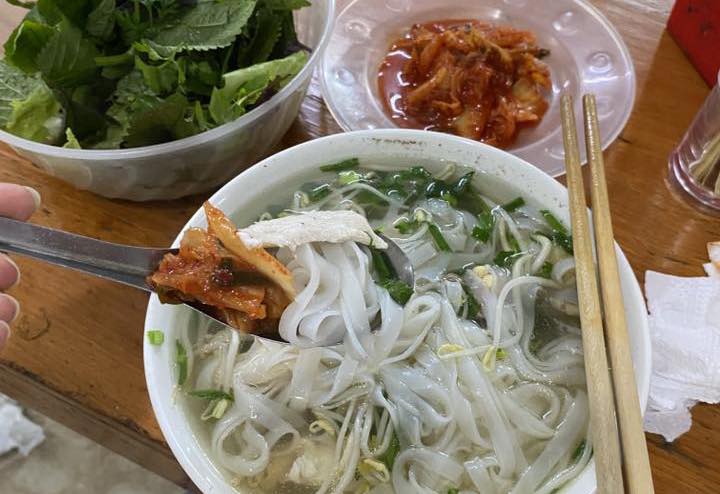
• Adaptive strategy: Many successful businesses such as Noi Den (노이덴) or Handsome in Seoul have applied the model of keeping the traditional cooking method but adding typical Korean side dishes such as Kimchi or sour onions to create intimacy with local diners.
• Legal barriers: The licensing process for food hygiene and safety and technical standards in Korea is very strict, requiring Vietnamese businesses to have professional preparation of documents and operating procedures.
Review channel and practical experience
Currently, platforms such as Naver Blog, Kakao Map and TikTok play a decisive role in shaping the reputation of an eatery. However, reality shows that there are clear differences in assessment standards:
• Korean diners: Prioritize a clean space, beautiful presentation and a strong, mildly sweet broth.
• Vietnamese diners: Appreciate the authenticity of the spices and the freshness of the signature ingredients.
Signs of a "standard" restaurant often spread by the community are the proportion of Vietnamese customers at the restaurant and the presence of native chefs in the kitchen.
Conclusion
The presence of Vietnamese cuisine in Korea is transforming from the stage of "identifying" to "affirming its position". With support from the media and cultural exchange policies, the map of Vietnamese cuisine in the land of kimchi promises to expand, not only stopping at 2 a.m. bowls of pho but also providing more diverse cultural experiences for both natives and expatriate communities.
Reference sources: Korean Ministry of Justice data (2024), Vietnamese Press (Tuoi Tre, Lao Dong...), Agoda survey data (2024).
NoodleSaigon20 - The First Fresh Bun & Pho Noodles in Korea
At NoodleSaigon20, we firmly believe that selecting the right variety of rice is essential to crafting authentic and delicious bowls of bun and pho. We use carefully selected rice grains to produce fresh noodles that meet the highest quality standards, ensuring an exceptional culinary experience for our customers.
-
01. Traditional flavor, exceptional quality
-
02. International standard HACCP-certified factory (Hazard Analysis and Critical Control Points)
-
03. Advanced freezing technology for optimal preservation
-
04. Convenient and easier to prepare than dried noodles
-
05. Loved by international diners, exported to Korea, Japan, and beyond…
Our products are currently available for wholesale and retail in South Korea. You can order via Hotline or message us on Facebook: