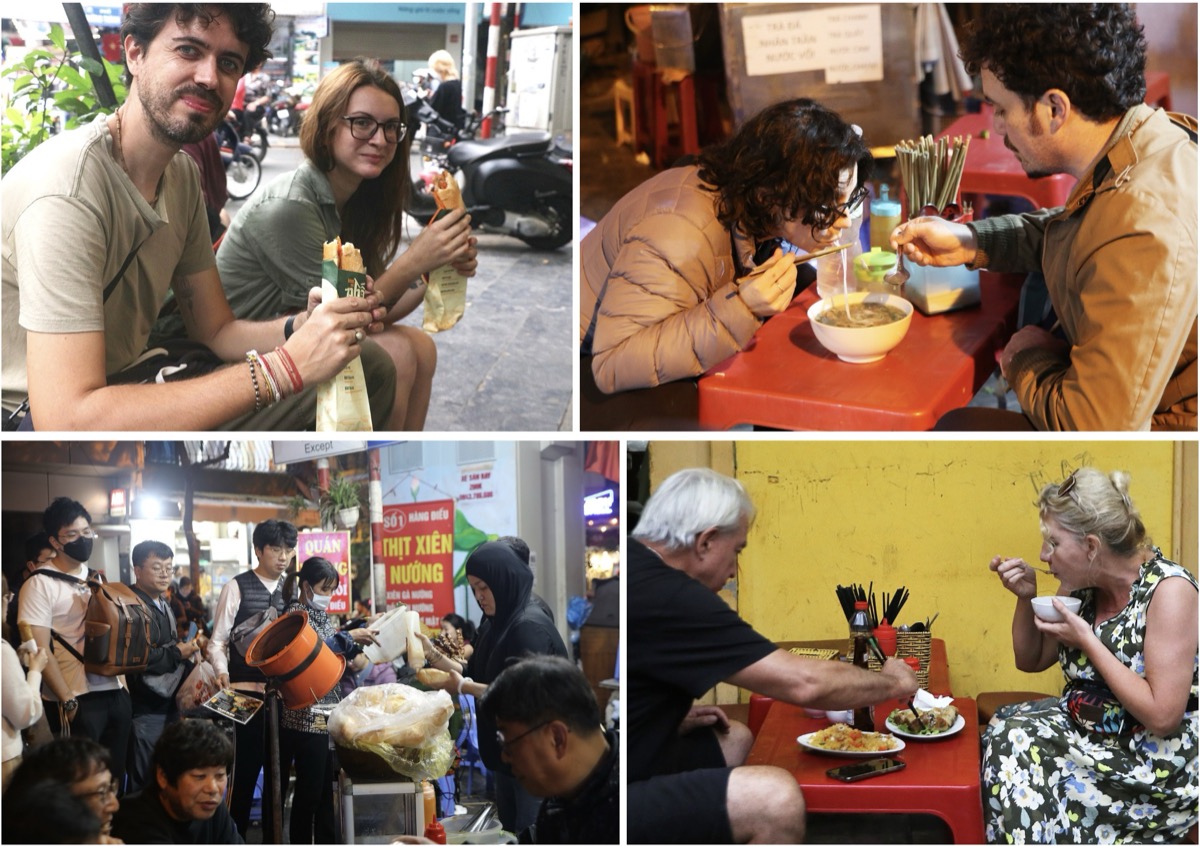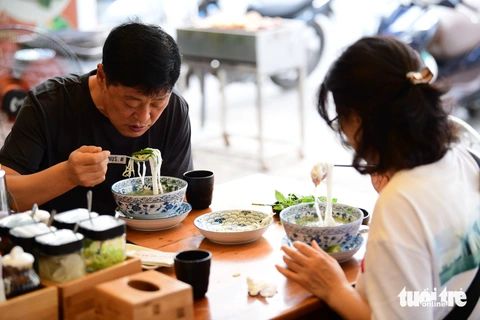
This Summer and Winter, because I had to go to the UK for a short time, I clearly felt the magic of Vietnamese spice packets. Vietnamese food is delicious, all Vietnamese people living in the country and abroad know it well. But it seems that storytelling about the country's cuisine has not been thoroughly done.
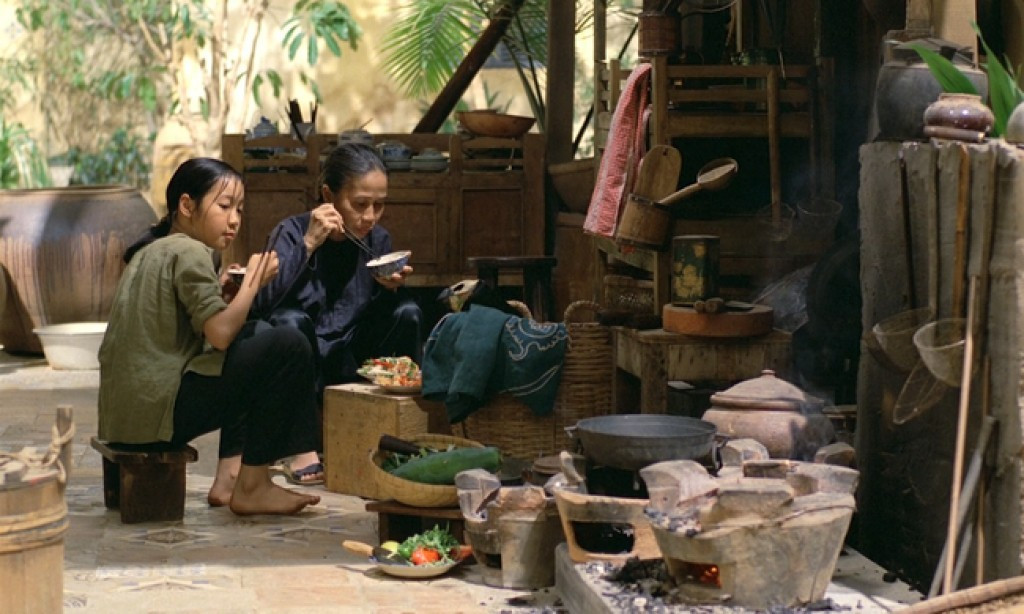
Searching on both Google and ChatGPT for the keyword "Vietnamese culinary movies", the most results I found were... The Smell of Green Papaya, in which the scene where the maid teaches the main character how to stir-fry vegetables always receives huge interactions from social networks. But ironically, director Tran Anh Hung made the film in France. In the television realm, the meals that appear are quite brief, mainly as a background to serve the film's content, for example, the mother-in-law in Living With Mother-in-law feeds her daughter-in-law a pot of rotten pickled fish soup, but the soup pot is not even filmed in close-up.
Vietnamese food is often featured in documentaries and TikTok clips, but because humans are human narrators, cuisine needs to be weaved into life stories.
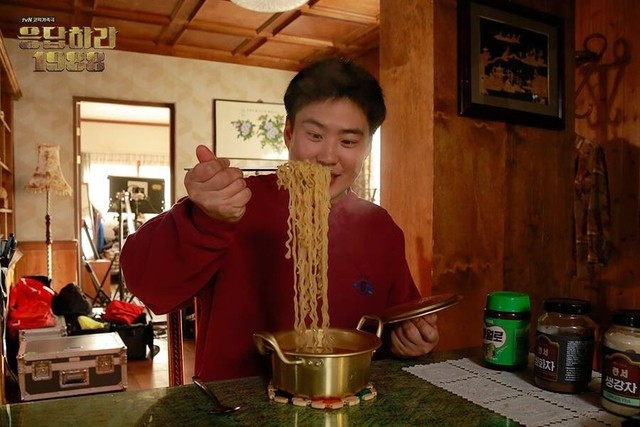
When it comes to spreading culinary culture, Korea can be "deified". Honestly, I know Korean dishes by heart thanks to watching Korean movies. No matter how much the characters love, hate, or hate each other, there are definitely scenes of them eating kimbap, chatting next to the spicy rice cake cart, or even in Korea there is the phrase "Let's go eat noodles?" to flirt with each other. Whether it's a bowl of cold noodles with only one egg, or even regular instant noodles, the character still eats deliciously and makes me crave it.
There is also a series of videos on YouTube that compile scenes of characters in Korean movies eating, and I used to watch them every time I ate. And don't forget how jjapaguri became a craze after the movie Parasite came out.
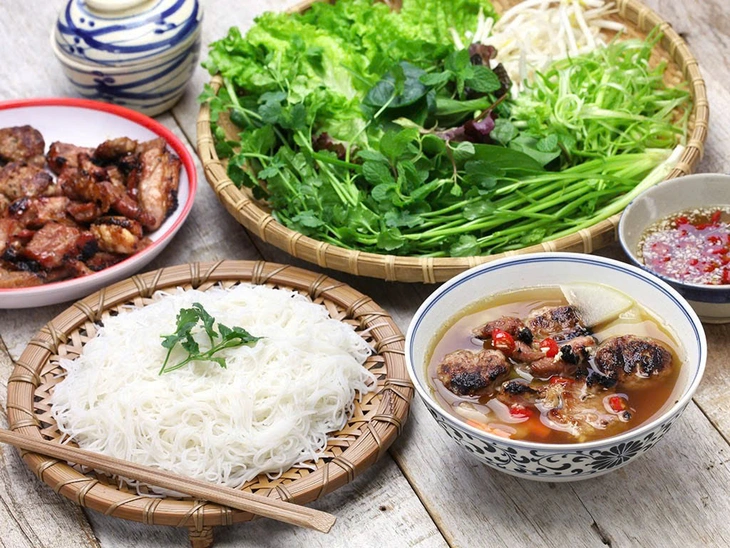
Obviously, Vietnam can also let its cuisine creep into movies. With just a few more shots and a few close-up details, we can tell about rice paper mixed with dried beef fibers, each piece of rice paper drizzled with golden sauce through the high school characters going out for snacks after school. Couples in Vietnamese movies can ask each other "Let's go eat broken rice/beef noodles/grilled meat noodles?" to flirt with each other. Or when the character is poor, they can also go out to eat rice, braised meat with eggs, a gurgling pot of braised meat and a piece of golden fatty meat.
I believe Vietnamese food has more meaning than just food. It represents the patience, harmony and great love of Vietnamese people for each other. Isn't it natural that instead of saying "I love you", we say "Come down to eat". Isn't it natural that instead of asking "How are you?", we ask each other "Have you eaten anything yet?". It's not natural for neighbors to ask each other about each other by giving each other delicious rolls without borax.
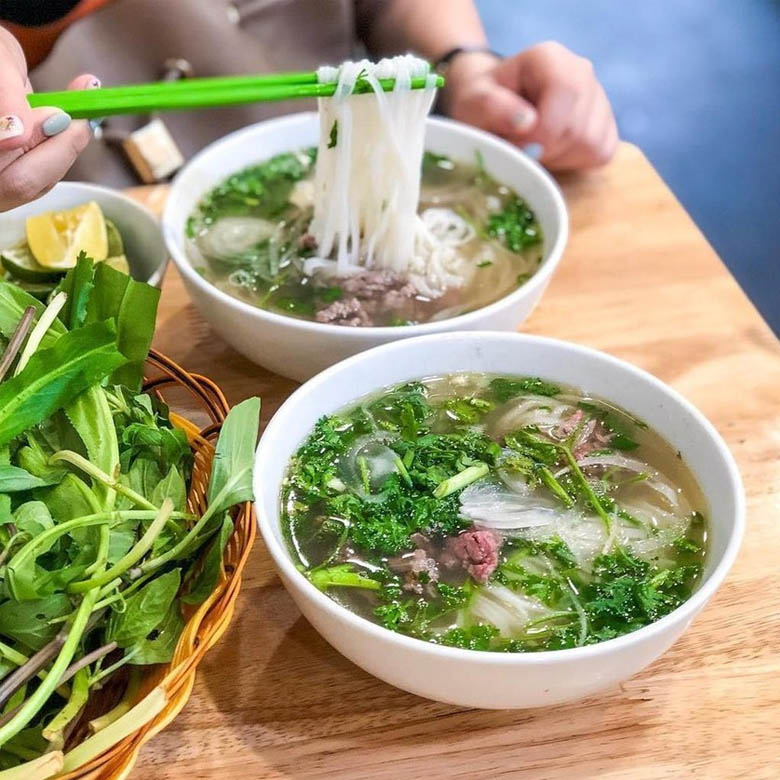
Our love is through the deliciousness of food. And we did it very well. But why is it that to see Vietnamese dishes presented in a well-written way, I can only re-read Vu Bang's Hanoi Delicacy, imagine it and crave it? I also want Vietnamese food to creep into movies (for convenient re-watching), gracefully appearing in stories about love between couples, in stories about family, being an important part of life like the way it has been for so long.
By doing so, expatriate children will surely tire of watching movies and Vietnamese restaurants around the world will show it on TV, proudly saying "This is Vietnamese food."
NoodleSaigon20 - The First Fresh Bun & Pho Noodles in Korea
At NoodleSaigon20, we firmly believe that selecting the right variety of rice is essential to crafting authentic and delicious bowls of bun and pho. We use carefully selected rice grains to produce fresh noodles that meet the highest quality standards, ensuring an exceptional culinary experience for our customers.
-
01. Traditional flavor, exceptional quality
-
02. International standard HACCP-certified factory (Hazard Analysis and Critical Control Points)
-
03. Advanced freezing technology for optimal preservation
-
04. Convenient and easier to prepare than dried noodles
-
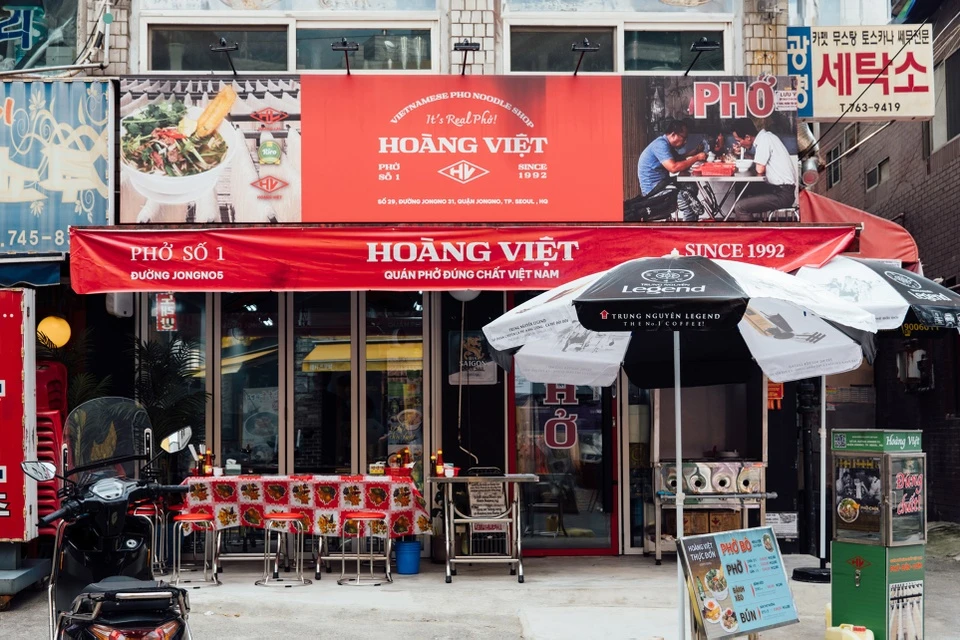
05. Loved by international diners, exported to Korea, Japan, and beyond…
Our products are currently available for wholesale and retail in South Korea. You can order via Hotline or message us on Facebook: