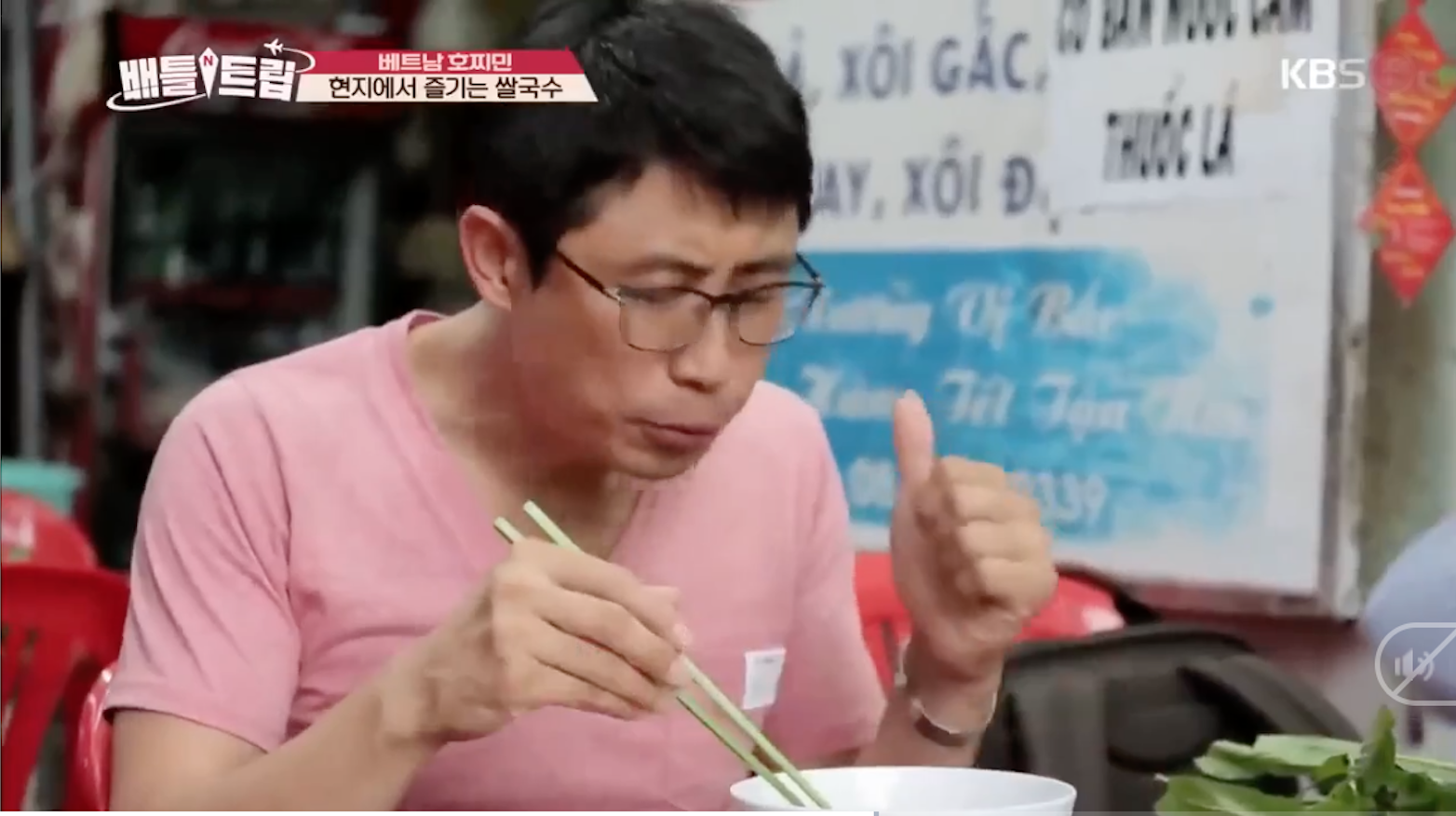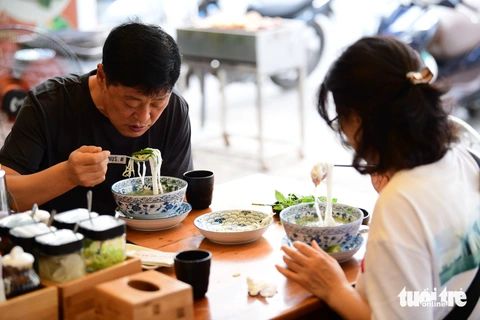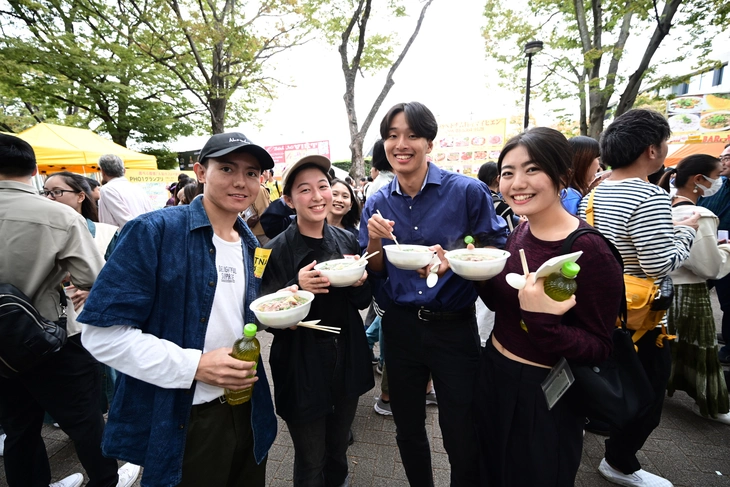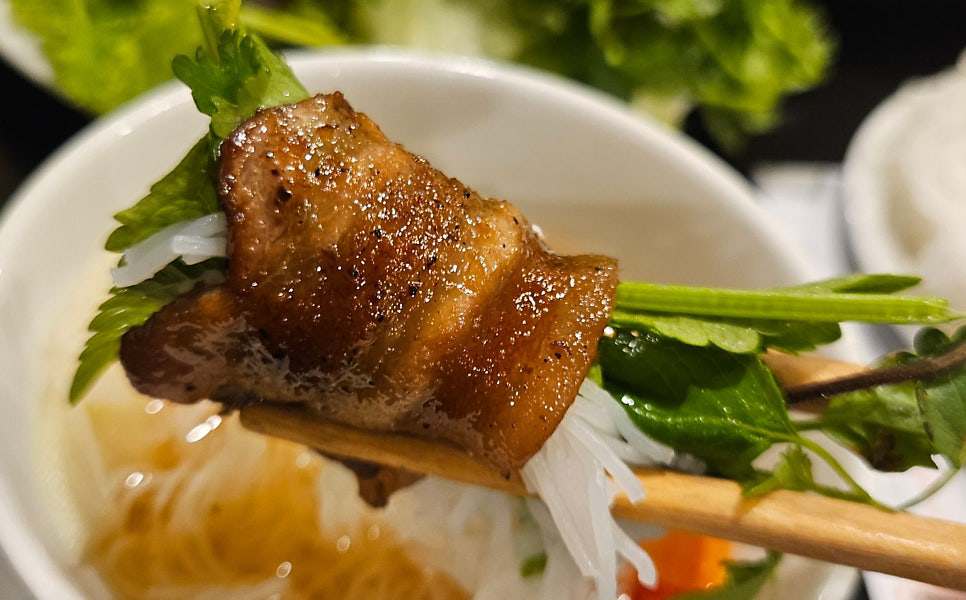
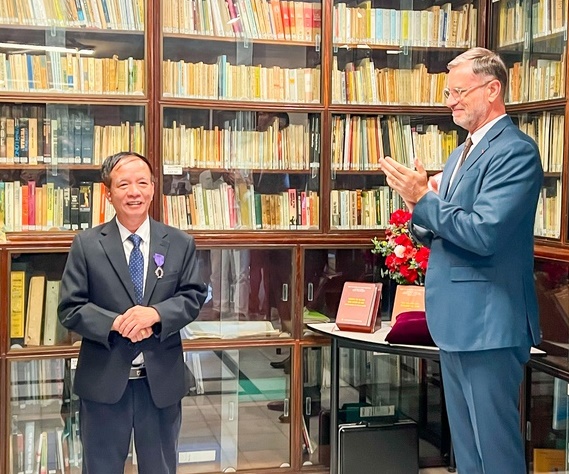
In an interview with a reporter from the Sports and Culture newspaper (VNA), Dr. Tran Huu Son, Director of the Institute of Applied Research in Culture and Tourism, emphasized a seemingly familiar yet very new point: the need to enhance the value of "iconic brands" in the heritage economy.
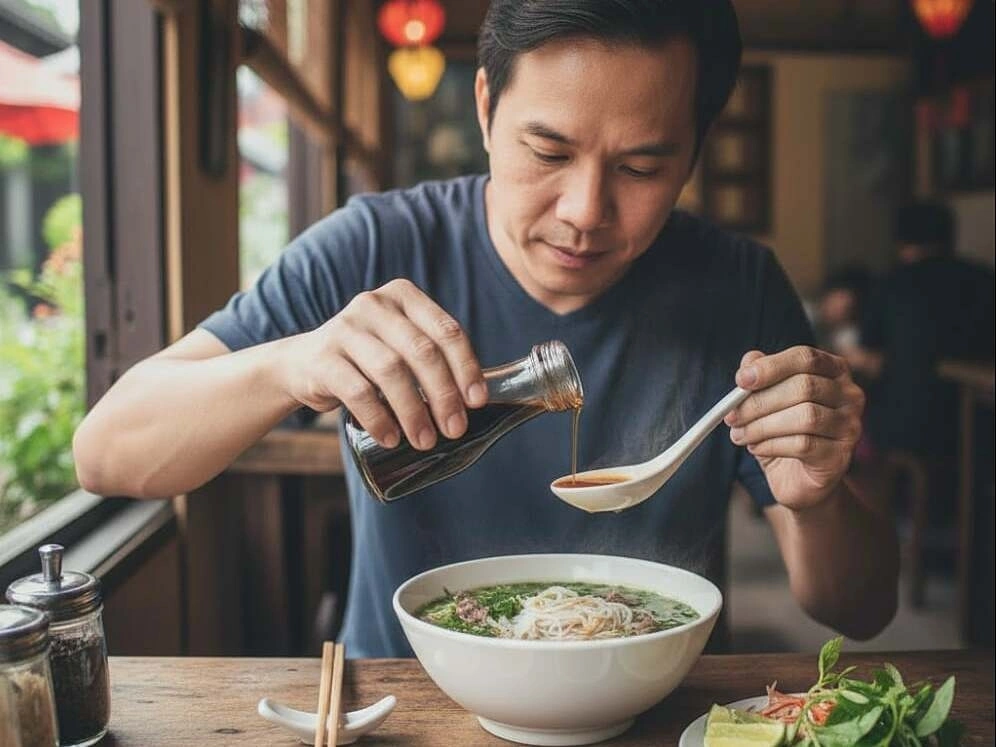
He said, during a recent business trip abroad, he ordered a bowl of pho. When asked about the origin, the seller simply said: "The dish is from Vietnam." The price per bowl is about 8 USD (equivalent to 200 thousand VND) - 3-4 times higher than in the country.
Three questions from a bowl of pho abroad
The story is small, but suggests a big problem: why can our cultural symbols like pho when going to the world be sold at high prices, but right at home they are cheap or tell an incomplete story?
What is an "iconic brand"? Simply put, they are images, products, dishes, rituals, patterns, architecture... that both represent Vietnamese identity and have the ability to evoke emotions, memories and pride - from pho, ao dai, conical hats, egg coffee, banh chung, to bronze drums, Hoi Giong, Northwest brocade... When a symbol is clearly positioned, tells an attractive story, is protected and used properly, it becomes a "brand" - entailing huge added value. On the contrary, if we just consider it a "common good", the value will stop at the cost of raw materials and labor.
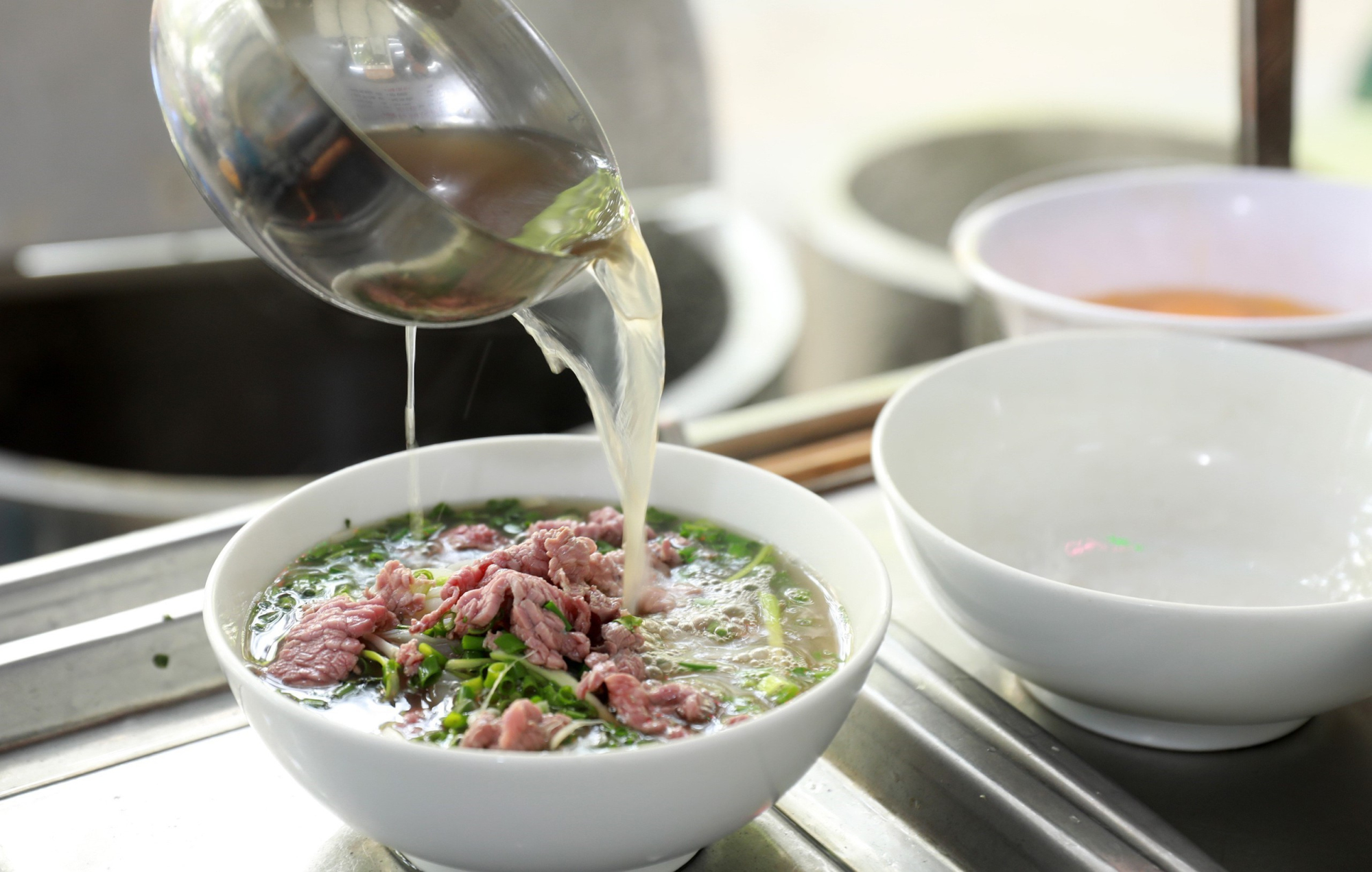
The story of the 200,000 VND bowl of pho raises at least three questions. One, is the price high because of expensive costs abroad, or because the seller knows how to "package" a Vietnamese symbol in a bowl of pho? Second, why are outside consumers willing to pay many times more for the same pho dish, while in Vietnam, we often use the language "delicious - nutritious - cheap"? Three, what makes the symbolic value in the international environment pop up but not in the home country?
Dr. Tran Huu Son looks at the problem from the root: the heritage economy is not just about "selling" services or products, but about transforming cultural values - especially spiritual values and identities - into market appeal. Pho is a typical example: not only a dish, but also an urban memory, a story of adaptation and creativity of Vietnamese people, the technique of broth, pho noodles, rare-cooked meat, spices, aromas... Accompanied by the dining space, presentation, ordering, stories about "Hanoi pho", "Saigon pho", about heirloom restaurants, about seasons and ingredients. When that part of the story and symbol is "enriched", the value of a bowl of pho automatically increases - not because of "hype", but because buyers receive more than just a meal: they buy experiences, buy identities, buy emotions.
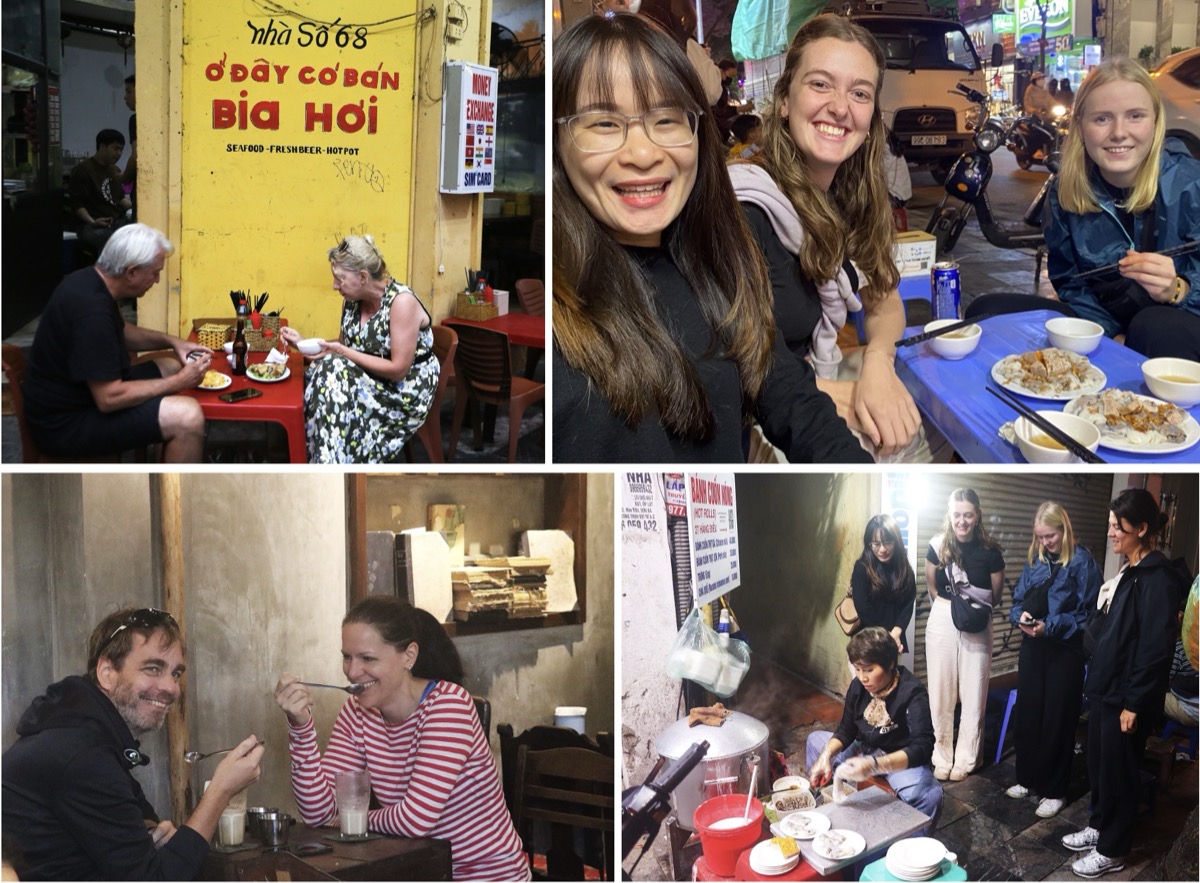
Valuable agricultural products, iconic brands
Raising the value of a symbolic brand is not about "increasing prices" with a slogan, but rather a series of specific actions.
Firstly, according to Dr. Tran Huu Son, the symbol must be located. With pho, it is the "national soul" in Vietnamese cuisine, a symbol of modern Vietnamese urban areas, a delicate combination of bones - water - spices - herbs, the early morning memories, the clinking of bowls and chopsticks, the steaming smoke. With ao dai, it is a discreet yet graceful beauty, Vietnamese curves and patterns. With egg coffee, it is a creation of Hanoi in difficult times, turning poverty into a specialty. Clear positioning helps choose the right storytelling language, the right images, the right colors, and the right display space.
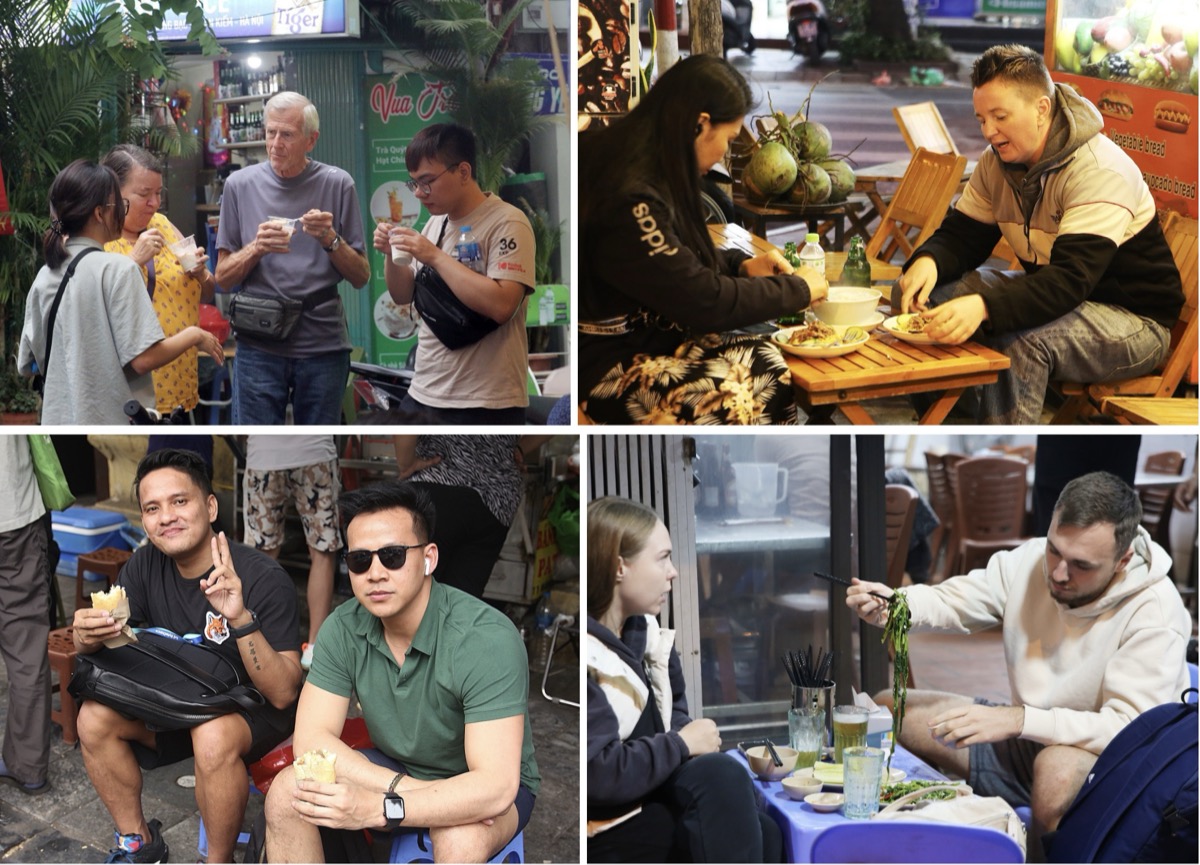
Second, the story must be compelling and consistent. Strong brands in the world don't just sell products, they "sell" stories. A bowl of pho becomes "expensive" when the seller knows how to tell about the sophistication of the 8-12 hour pot of bone broth, about the pho noodles made on the day, about onions, cinnamon, anise, about the old pho shop on the corner of the street, about the third generation shop owner... A pho shop in Tokyo or Paris can hang a black and white photo of a Hanoi street, play soft music, and let diners read a small piece of paper telling the origin. The story doesn't need to be long, it just needs to be true. That's what many restaurants in Vietnam are lacking: we are good at making dishes, but not good at telling stories.
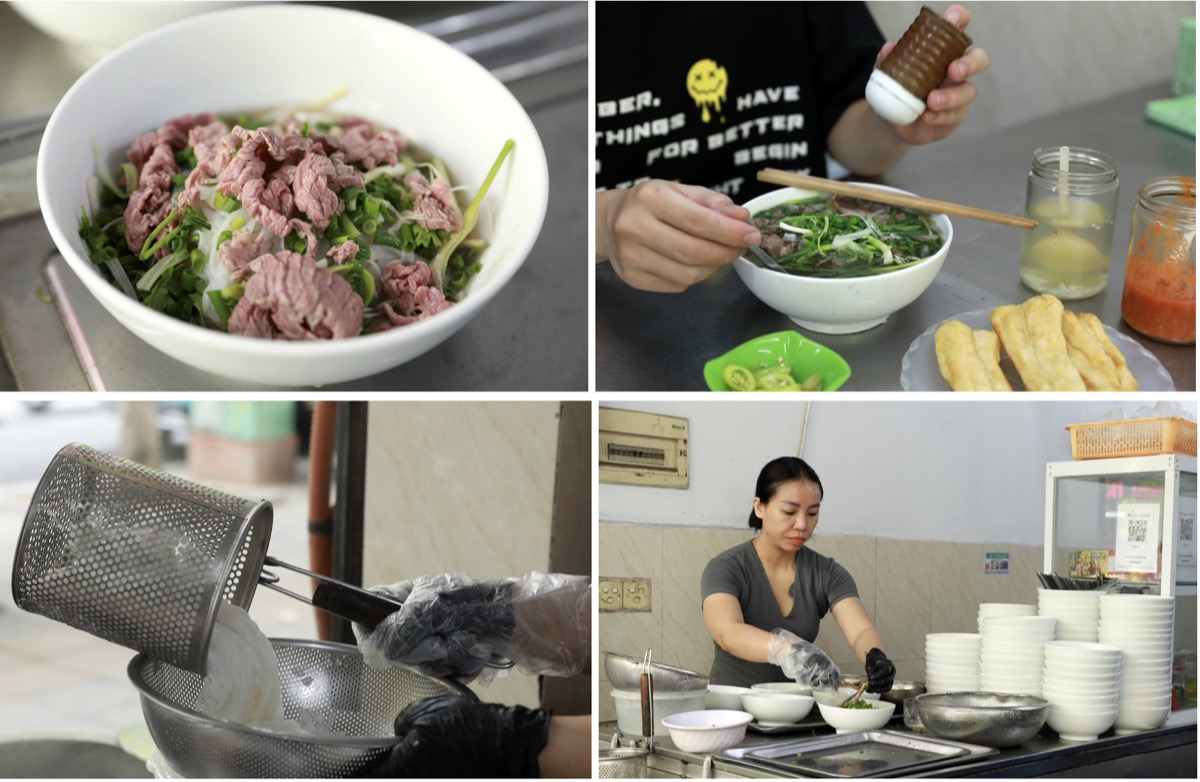
Third, there must be minimal standardization to maintain quality and image. Not to standardize to "uniform", but to avoid the "hundreds of flowers" situation that confuses strangers. With pho, the criteria may be that the broth is clear and fragrant - not dark, the noodles are flexible - not crumbly, the meat is sliced properly, and the spices are balanced; clean bowls - spoons - chopsticks, neatly arranged. It's the same pho, but each region has variations. The important thing is to define how "Hanoi pho" is different from "Saigon pho", so that the difference becomes an asset, not a chaos.
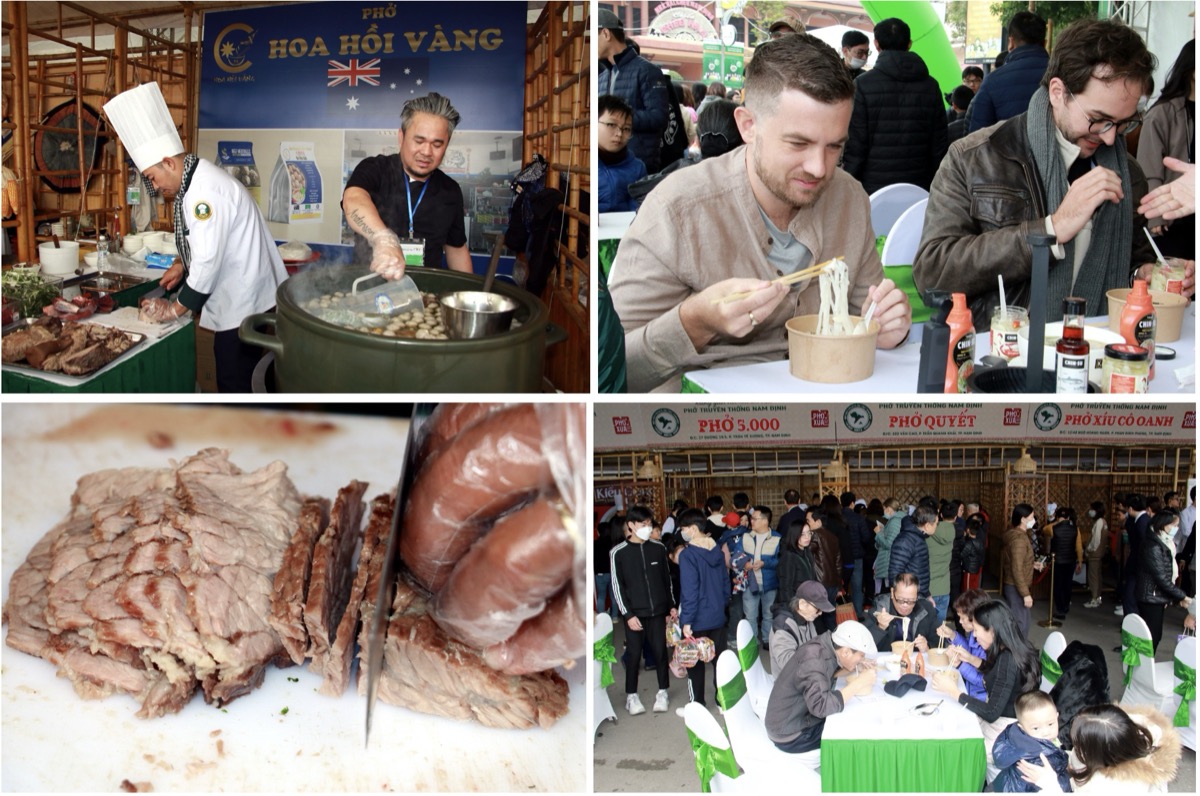
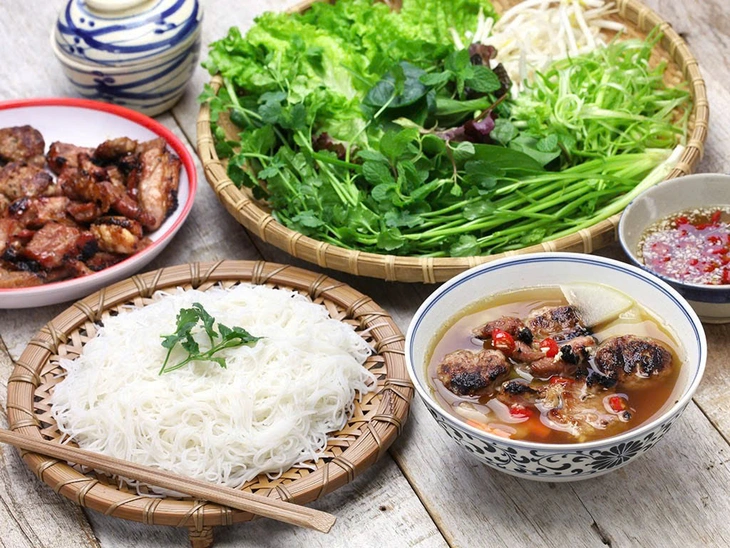
Fourth, symbols must be protected and licensed intelligently. Many countries have built lists of culinary and cultural symbols, with accompanying sets of usage rules. For Vietnam, it is completely possible to build a "symbol map" for each locality: pho, bun cha, green rice, egg coffee, bread, ao dai, conical hats, bronze drums, Northwest brocade, Bat Trang ceramics, Van Phuc silk... Each symbol should have short instructions: meaning, usage, things to avoid to respect the culture. When businesses want to use symbols on packaging, space, or souvenir products, they are licensed if they meet standards, part of the licensing fee goes back to the Heritage Restoration and Promotion Fund. This is to avoid indiscriminate "selling of symbols", causing the image to be cheap.
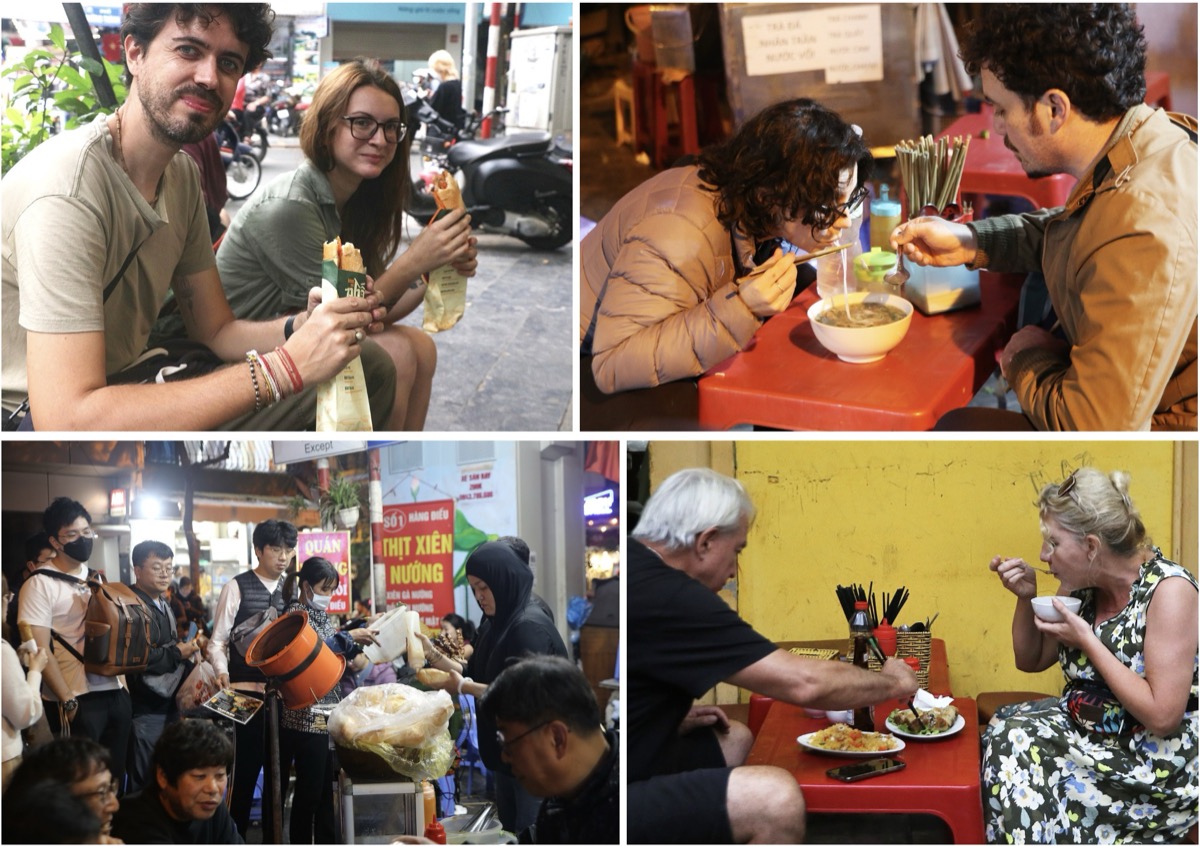
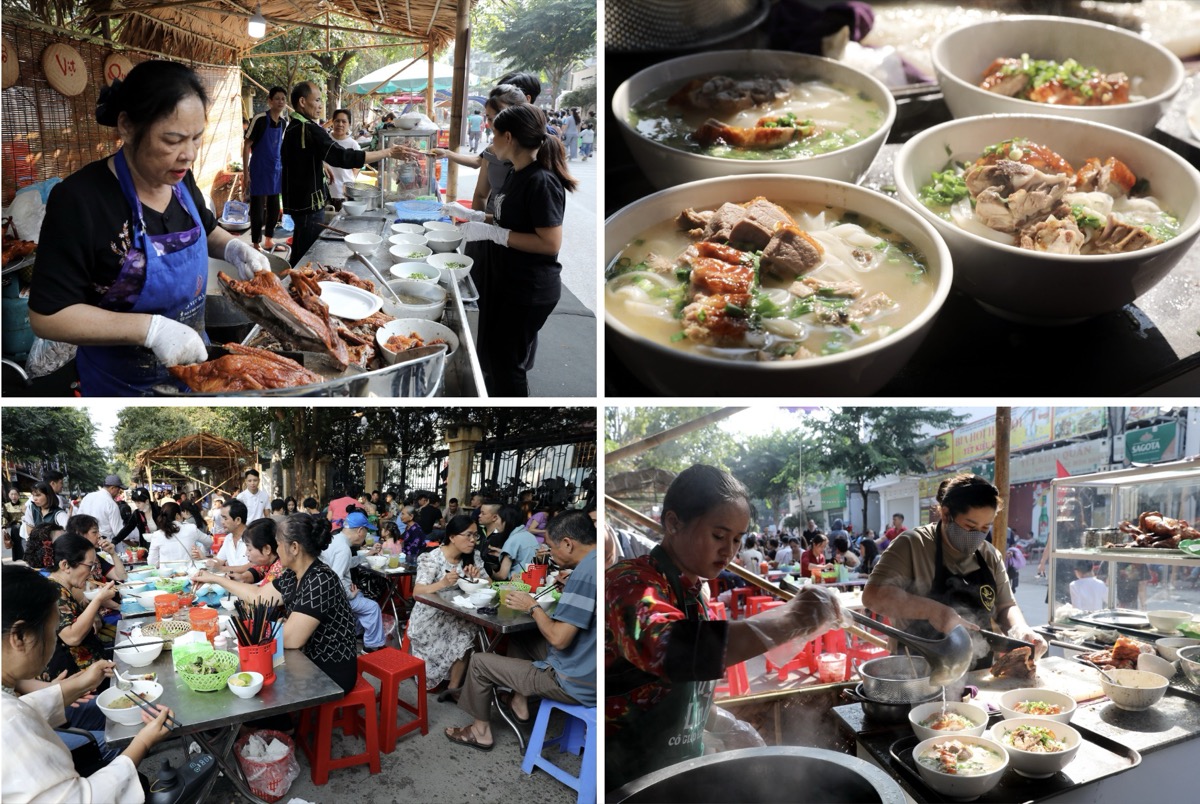
Fifth, we must increase the experience, not just the price. For example, the value of a bowl of pho abroad is not only due to expensive imported ingredients. It's also about the experience: the space, the sounds, the smells, the service, the ceramics, the stories. If we want to enhance the value of pho or any symbol, let's start from the experience. A creative pho restaurant can set up an open kitchen so customers can see the pot of broth, hang photos of the ingredients, have a small corner introducing the history of pho over time, and have neat, clean tableware. Feeling the "care" makes guests willing to pay more and proud to invite international friends.

Sixth, the community must be placed at the center of benefits. Pho is not just a dish; it is the livelihood of many families. When we say "elevating the iconic brand", the first beneficiaries must be those who do the right job. If a pho street, pho festival, pho festival is implemented - the profits need to go back to support the profession: training, upgrading space, issuing food safety cards, and communication. It is impossible for projects to "polished" the surface while on-site pho sellers are subject to price pressure and unfair competition.
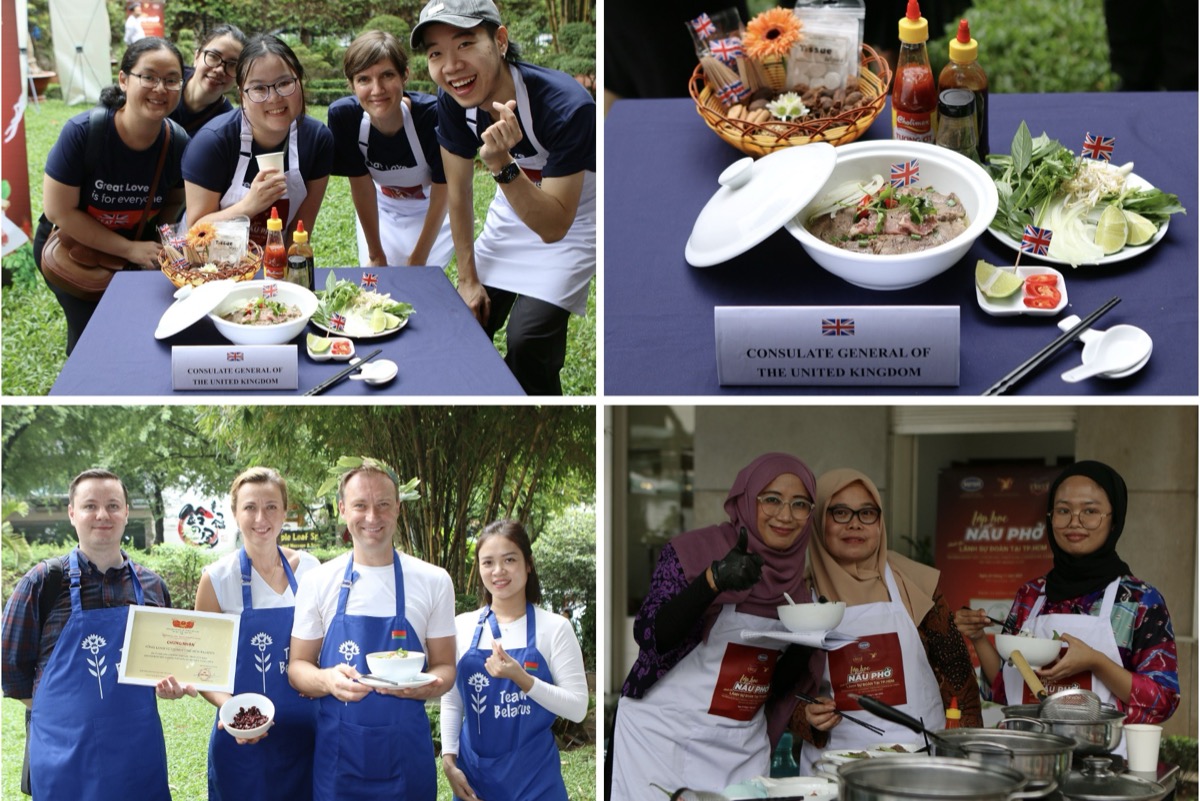
Seventh, we must fight against "counterfeit" goods and deal strictly with careless use of symbols. In the international and domestic markets, it is not uncommon for stores to display the word "Pho" but sell similar dishes, hastily prepared broth, and a trite image of Vietnam attached. The voices of the community, authorities and experts are needed to protect the honor of the symbol. A short statement, a set of instructions for identifying "authentic pho", even prestigious awards for standard pho restaurants... all contribute to adding value.
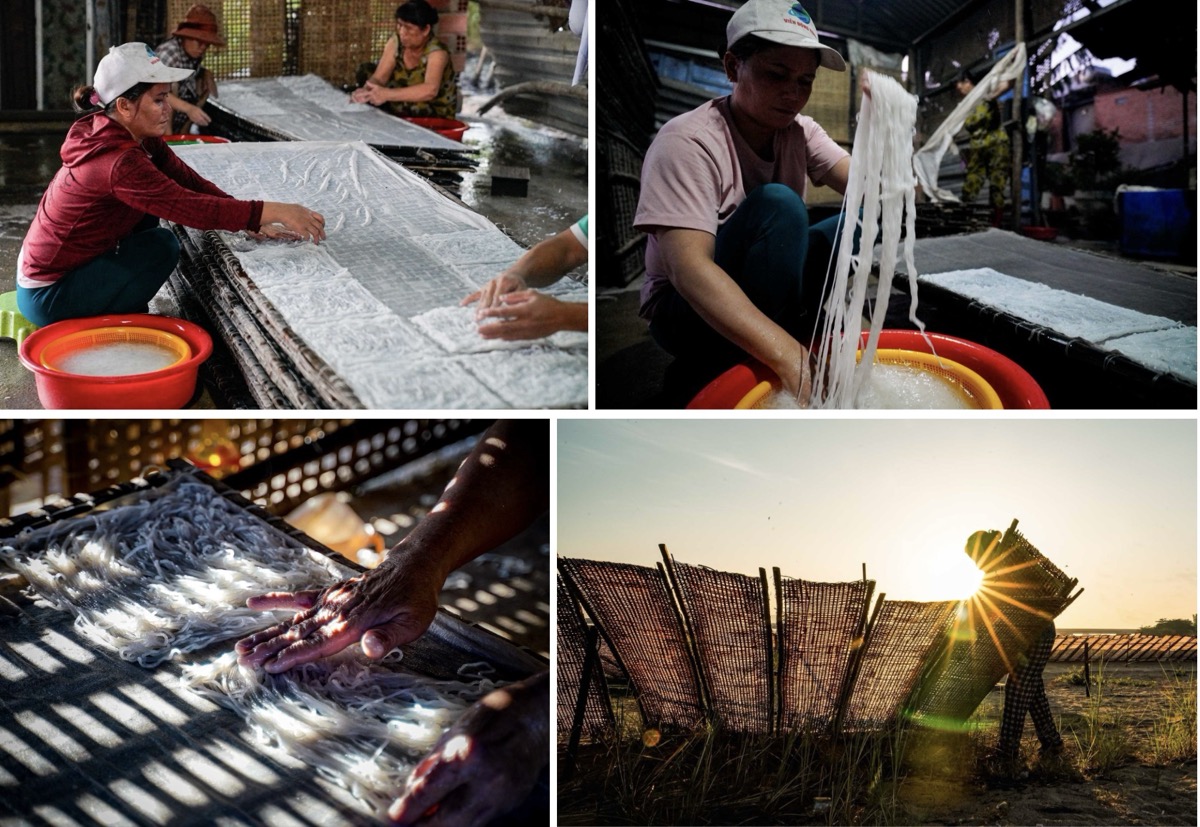
When talking about "iconic brands", the problem of communication cannot be ignored. Good media campaigns not only promote "hometown specialties", but also lead the public into the story. A short report about a pot of pho simmered overnight, about a pho seller through several generations, about hand-sliced beef slices, about noodles drying in the morning sun... touches the collective memory and taste buds. Every sustainable brand is planted with stories like that, repeated long enough to become the "common truth" of society.
However, we also need to be wary of the tendency to "frame" symbols. Living symbols must accept change - as long as it does not go against the core spirit. Pho can have chicken, beef, even vegetarian versions, can have new "toppings", can experiment with bowls, chopsticks, space... The important thing is that, despite the variations, it still retains its soul: elaborate broth, standard pho noodles, balanced flavor, kindness in each operation. Instead of being stereotyped, let's build a "soft frame": core principles + creative space, so that the symbol is both durable and rich in vitality.
Tractors for the entire value chain
Looking beyond pho, the story of "iconic brands" also opens up a long-range heritage economic strategy: using symbols as the puller for the entire value chain. When ao dai is well positioned, the garment - accessories - fashion tourism industry benefits. When Vietnamese coffee is told properly, from the farm to the cup of coffee, the whole area of raw materials - logistics - agricultural tourism grows together. When Northwest brocade finds a modern design language, local souvenirs - furniture - fashion products have the opportunity to enter the world.
Each symbol is a "gateway" that leads visitors into the cultural and economic ecosystem.
And finally, the 200,000 VND bowl of pho is not to compare "expensive - cheap", but to make us wonder: how can the true value of the Vietnamese symbol be recognized and appreciated everywhere - right at home and in the international market? The answer lies not in increasing prices, but in increasing value. Add value with sharp positioning, authentic stories, kind experiences, clear standards, smart protection and fair benefits for professionals.
Dr. Tran Huu Son is frank: if we do not put "iconic brands" at the heart of the heritage economy, we will forever sell "raw materials" instead of "identity". A bowl of pho, an ao dai, a piece of brocade - each thing can be an "ambassador" of Vietnam, if we know how to give them the status they deserve: symbols, not just goods. At that time, the sentence "Pho is a dish in Vietnam" will not just be a hasty introduction from the seller, but will become a proud invitation - accompanied by an experience worthy of the name Vietnam.
Photo source: Vietnam News Agency
Newspaper: Sports and Culture
NoodleSaigon20 - The First Fresh Bun & Pho Noodles in Korea
At NoodleSaigon20, we firmly believe that selecting the right variety of rice is essential to crafting authentic and delicious bowls of bun and pho. We use carefully selected rice grains to produce fresh noodles that meet the highest quality standards, ensuring an exceptional culinary experience for our customers.
-
01. Traditional flavor, exceptional quality
-
02. International standard HACCP-certified factory (Hazard Analysis and Critical Control Points)
-
03. Advanced freezing technology for optimal preservation
-
04. Convenient and easier to prepare than dried noodles
-
05. Loved by international diners, exported to Korea, Japan, and beyond…
Our products are currently available for wholesale and retail in South Korea. You can order via Hotline or message us on Facebook: