(Dan Tri) - Some people say that Nam Dinh beef pho restaurant often sells fried rice while Hanoi beef pho restaurant does not. But the difference doesn't really lie in this factor.
One morning in Hanoi, Mr. Thai Son (35 years old), a "pho addict" diner, went to work through Hang Dieu, intending to just eat something quickly, but saw a sign "Rice beef pho".
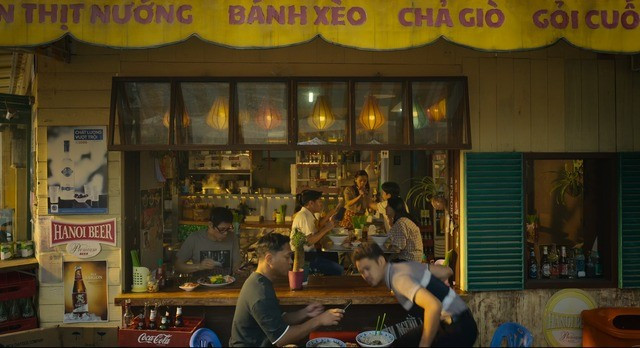
Behind the glass, a few pieces of fresh and tender beef, overcooked, rare, plus cartilage, fat, dandruff... The seller stood slicing the meat, occasionally opening the lid of an iron barrel to pour broth into the bowl. A plume of smoke spread throughout the stall, covering the surrounding diners like they were sitting in a thin layer of mist.
This moment made Mr. Son "forced" to eat a bowl of pho, but also suddenly reminded the guest of the decoration of beef pho restaurants in his hometown, Nam Dinh. Which, according to Mr. Son: "You have to eat it many times and observe closely to realize it."
When entering Nam Dinh beef pho restaurants, diners will immediately hear the sound of knives tapping without stopping. And in front of the counter, large slabs of beef are hung high, surrounded by walls filled with black smoke, accompanied by a strong beef scent in the air.
With beef slabs, the shop owner will quickly cut into pieces, slice them or beat them until soft but still skillfully leave the meat intact and not broken off.
After that, the pieces of meat are arranged one by one on the pho noodles, in some places that are more elaborate, they are arranged evenly into a circle, then spread with green onions and poured with broth. Nam Dinh Pho is characterized by a broth that always has a lot of ginger and fish sauce. Therefore, the water has a strong sweet taste and little flavor of cinnamon or anise.
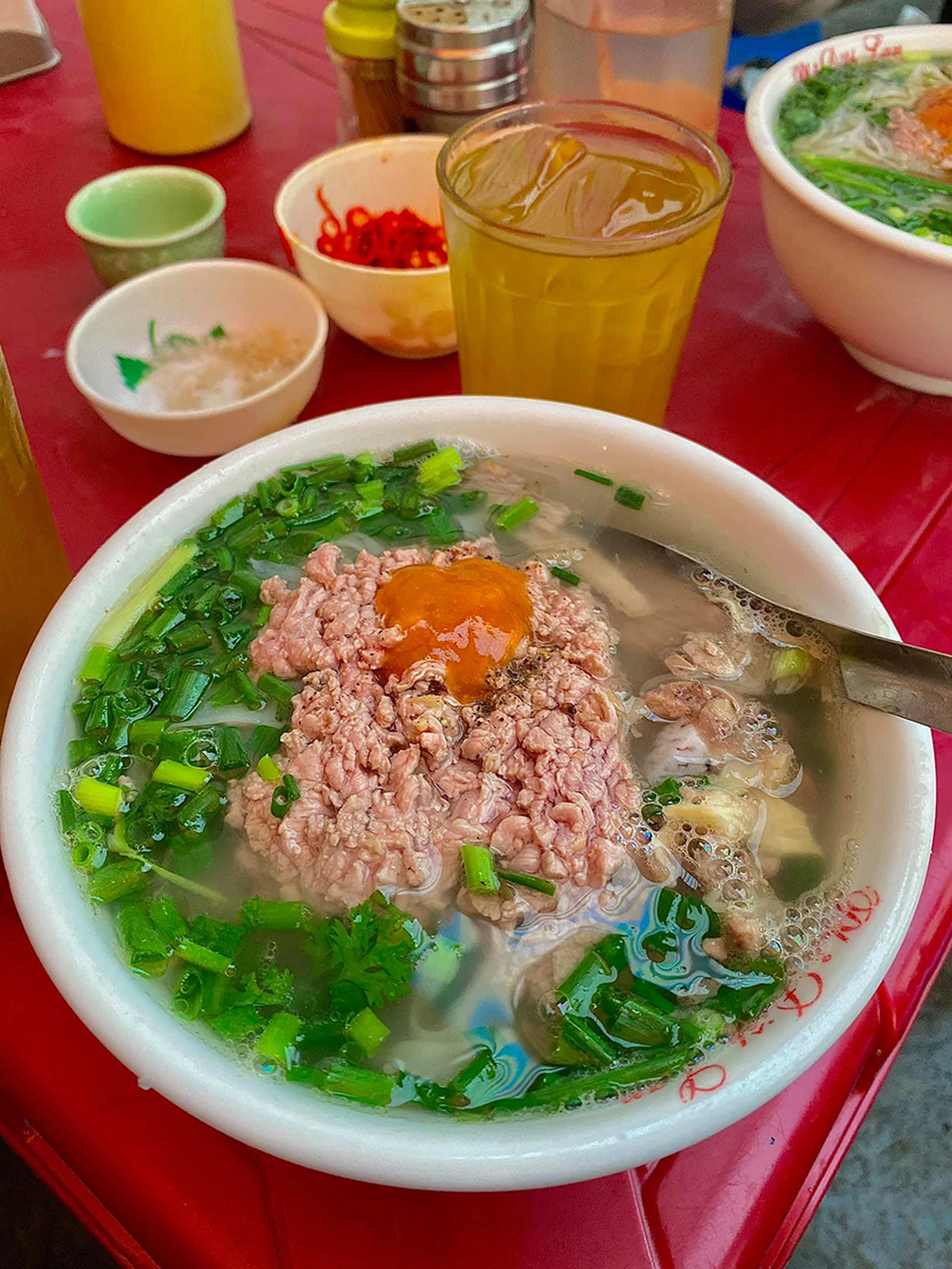
The main bone used is the shin bone, oxtail can be added to create richness. For each pot of broth, the shop owner usually simmers it from 6:00 pm the previous day until 5:00 am the next morning. When simmering, the water is boiled a second time before being used as broth to avoid the bad smell of beef bones. Ginger and grilled onions are added to create aroma and flavor.
After that, continue adding cold water until it boils again, then skim the foam until the water is clear. With Nam Dinh pho, the person who cooks pho well is the one who cooks with little salt, but mainly uses fish sauce.
Fish sauce must also be pure fish sauce from Giao Chau and Giao Thuy regions. Because if the salty taste of pho comes mainly from salt, the pho will be acrid, and when you sip the water, your throat will be sore.
The bowl of pho was filled with steam. The broth has a greasy texture, rich in fish sauce, beef bones and pepper. Nam Dinh pho noodles have wide strands, usually hand-rolled rice paper, also sliced by hand, the strands are twice as thick as machine-sliced rice noodles popular in Hanoi.
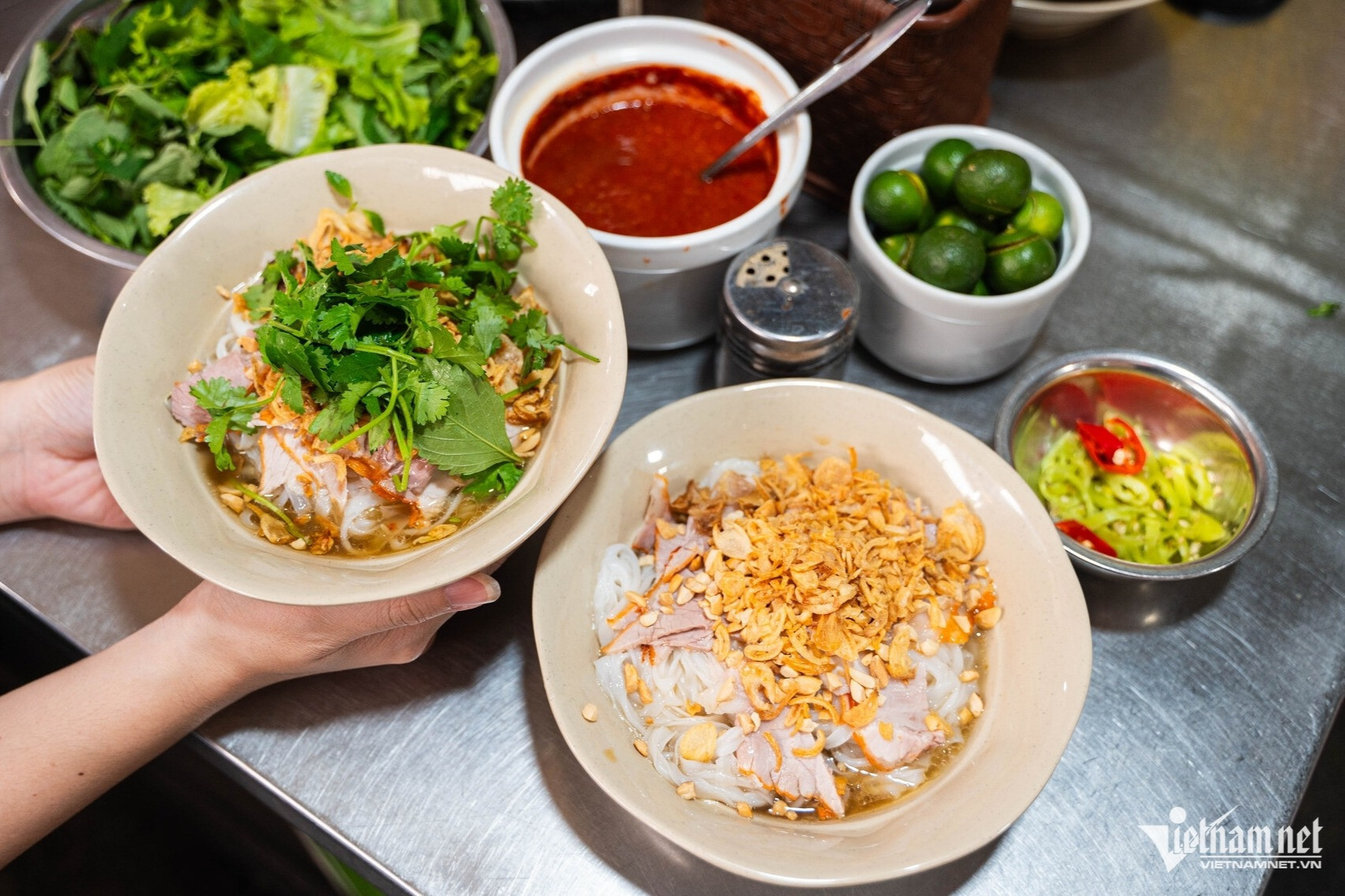
To enjoy the full flavor of Nam Dinh pho, diners add ground chili, chili sauce, kumquat lemon and eat with small crispy stir-fry.
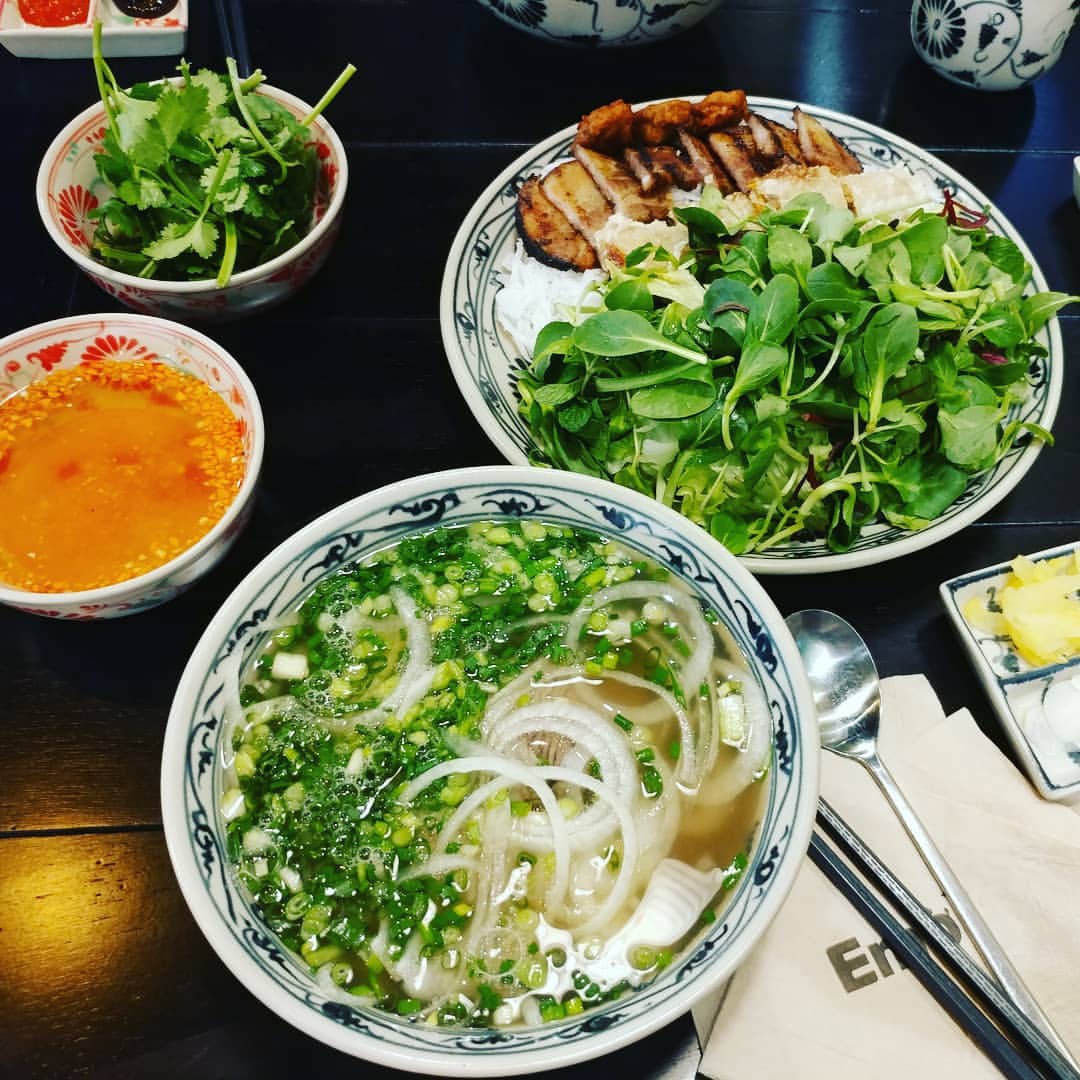
Meanwhile, Hanoi pho connoisseurs point out the proper way to eat beef pho: not squeezing lemon, not adding chili sauce, just using garlic vinegar and fresh chili.
"Pho connoisseurs, those who eat pho carefully are not easy-going, they absolutely do not step into any pho shop to eat recklessly," author Vu Bang wrote in the book Hanoi Delicacies.
Hanoi pho broth is usually clear and light, made from the bones of the tubers beaten at both ends so that the marrow can easily absorb into the broth during the simmering process. The meat and tendons surrounding the bones must not be filtered too cleanly.
This is also one of the factors that make the pot of broth sweet and delicious. The water used to boil bones for the first time is usually discarded to avoid bad odors, then add ginger, cinnamon, anise, and cardamom, boil, skim off foam until it reaches clarity.
According to culinary artist Pham Thi Anh Tuyet (70 years old, who is known as an "ambassador" of Vietnamese cuisine), traditional Hanoi pho is sold on light baskets. The aroma of pho wafts throughout the streets thanks to the cinnamon and anise broth. A bowl of Hanoi pho must have the sweetness of beef bones, not the sweetness of MSG.
Beef is the quintessence of every bowl of pho, taken from tenderloin, beef tenderloin, or beef core. Hanoi Pho often prefers thinly sliced meat, sticking along the length of the grain, with a few green onions and a few green herbs.
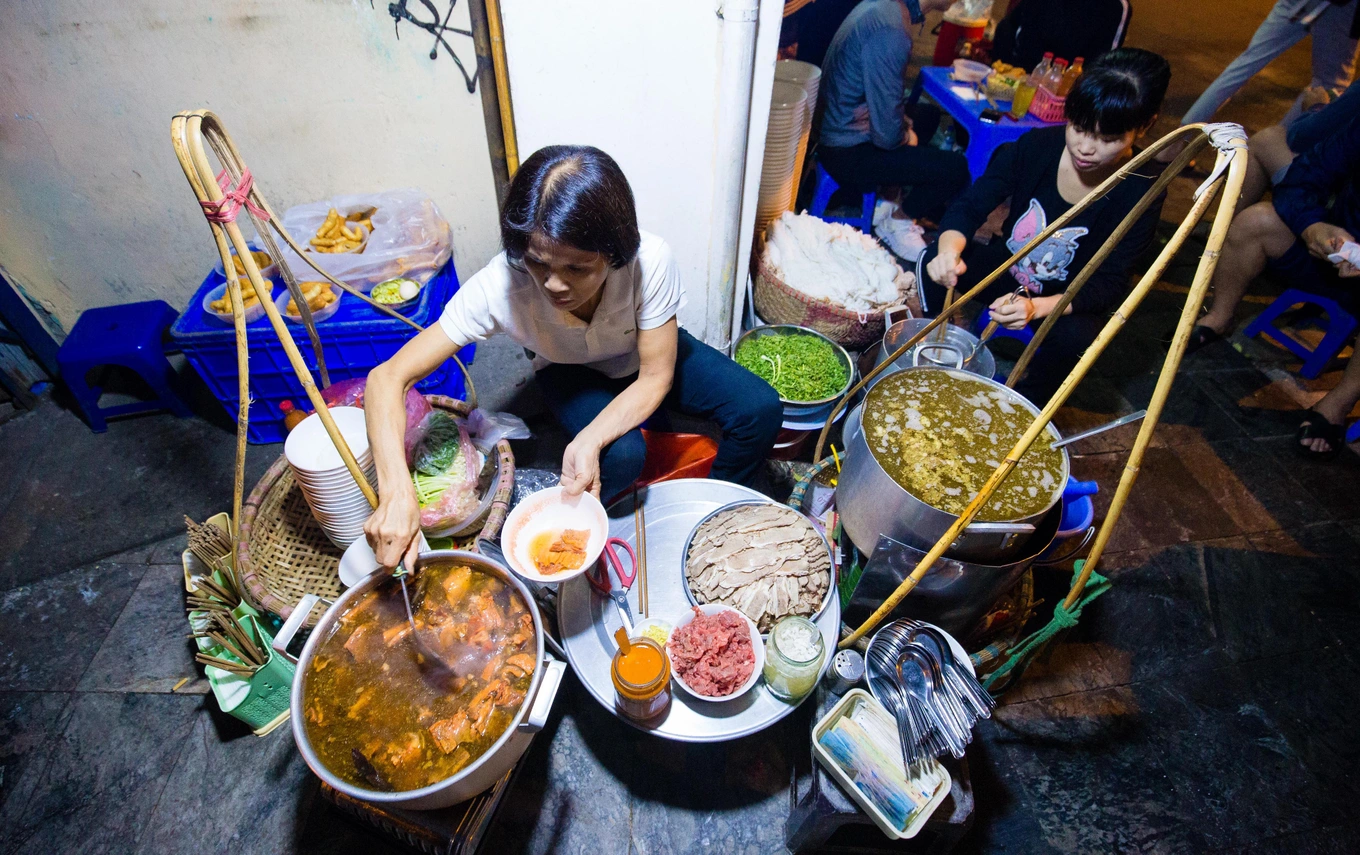
Over time, Hanoi pho has many changes. Traditional pho shops now often leave lemons, kumquats and vinegar for customers to use at their discretion, or the pho stalls have been replaced by luxury shops.
However, according to Mr. Tran Huy Tien, representative of Pho Suong Hanoi, the essence of a bowl of pho is the broth, which will remain the same no matter how many generations pass. Pho customers are extremely picky, so despite the change in space, "the traditional flavor, the flavor of memory" is something that cannot be lost.
Commenting on Hanoi and Nam Dinh beef pho, Mr. Quang Nhat (32 years old) said: "The first time you eat Hanoi pho, you will not find it delicious because the pho broth is light and less sweet. But after eating, it will not be brackish, the meat flavor still lingers.
As for Nam Dinh pho, it is suitable for those who like a sweeter taste. Nam Dinh pho broth is fatty and rich in flavor. The feeling of eating it for the first time is very enjoyable, but if you eat it many times, you will easily feel bored faster than Hanoi pho."
Eating pho, after all, is just an experience. Beef pho, chicken pho, or pho anywhere are just different experiences. They are intensely subjective, and it would be extremely difficult for one individual to impose his or her own experiences on another individual.
Because, that particular experience can include so many aspects. From the fragrant broth, sweet meat to the rich cup of tea, through the enthusiastic and "slightly" service style of the shop owner. It all depends on the preferences that each diner can accept.
Pho has its predecessor from buffalo stir-fry, which was born in the wild from the beaches and wharves of the Red River in the early years of the 20th century.
At first, it was a dish that served the common class and the hard-working people. At the end of the 19th century and the beginning of the 20th century, after the French officially placed a protectorate over the whole of Vietnam, Hanoi only had a few beef shops to serve French expatriates, which were often stagnant, especially with skeletons who didn't know what to do.
Today, Pho has followed Vietnamese people all over the world and become a "trademark" dish of Vietnam.
NoodleSaigon20 - The First Fresh Bun & Pho Noodles in Korea
At NoodleSaigon20, we firmly believe that selecting the right variety of rice is essential to crafting authentic and delicious bowls of bun and pho. We use carefully selected rice grains to produce fresh noodles that meet the highest quality standards, ensuring an exceptional culinary experience for our customers.
-
01. Traditional flavor, exceptional quality
-
02. International standard HACCP-certified factory (Hazard Analysis and Critical Control Points)
-
03. Advanced freezing technology for optimal preservation
-
04. Convenient and easier to prepare than dried noodles
-
05. Loved by international diners, exported to Korea, Japan, and beyond…
Our products are currently available for wholesale and retail in South Korea. You can order via Hotline or message us on Facebook: