It is a familiar, even popular dish in Vietnam, but when it appeared in Korea, the price skyrocketed to more than 100,000 VND/portion and is still sought after by both Vietnamese and indigenous people.
"Popular" street food suddenly becomes a specialty when traveling abroad
According to Dan Tri, during a culinary experience in Ho Chi Minh City, Simon - a Korean tourist and his compatriot whose Vietnamese name is Tan visited a small restaurant in Thao Dien area (formerly Thu Duc City) to try a dish that is considered a symbol of Vietnamese cuisine.
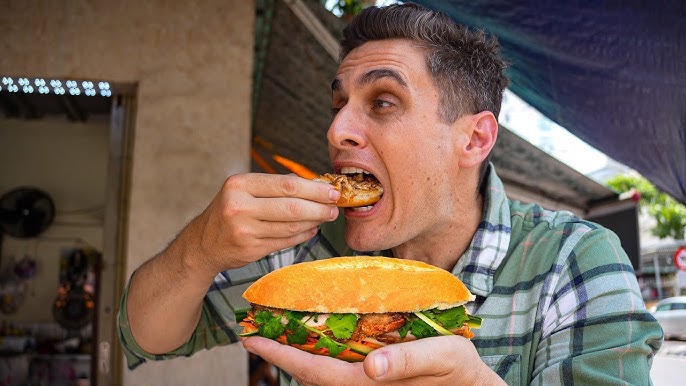
Two guests chose the roasted meat version, telling them not to add chili to suit their taste. Right from the first bite, they couldn't hide their excitement. Simon kept nodding, even commenting in Vietnamese: "Very delicious!".
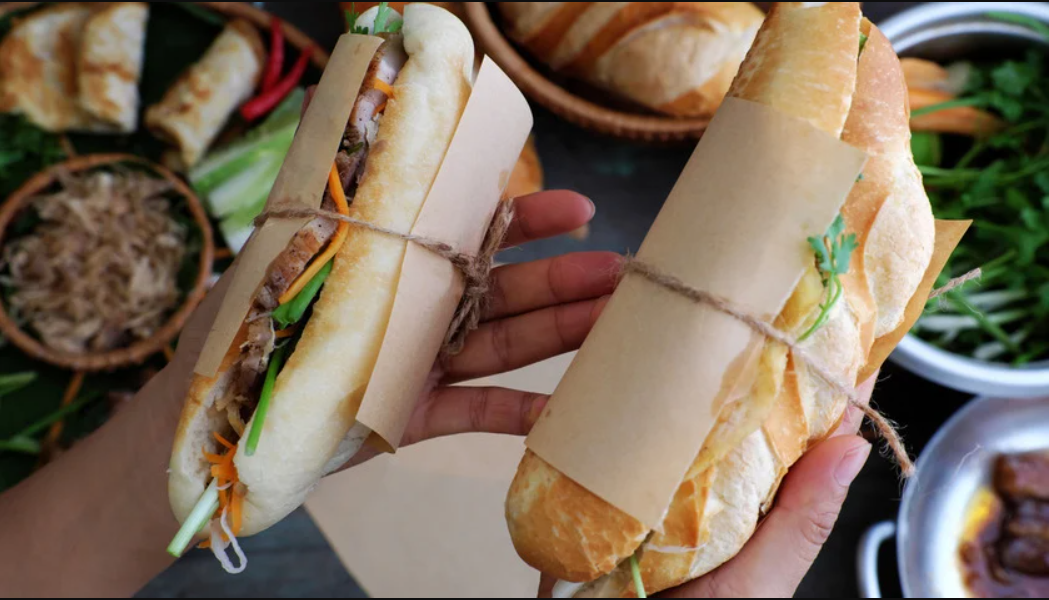
What impresses them the most is the crispy outer shell and plump filling with roasted meat, raw vegetables, pickles and sauce mixed together. And when they learned the price was only 25,000 VND/loaf, both of them were even more surprised.
"In Korea, the price of a loaf like this is much higher," Mr. Tan shared.
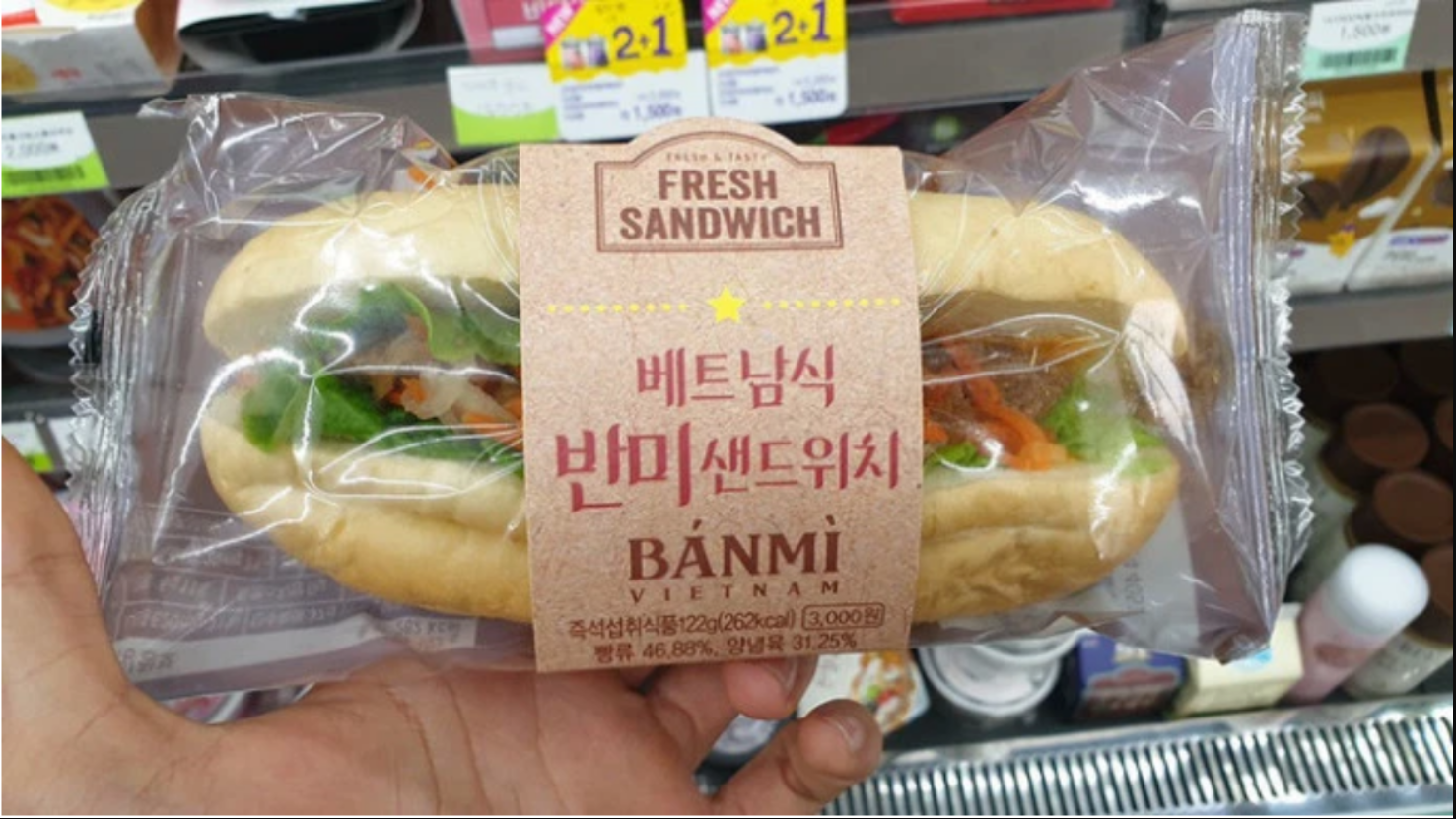
According to records, at a traditional market in Busan, a shop opened by Vietnamese people is selling this type of cake for about 8,000 won (approximately 140,000 VND). Same size as domestic, not significantly larger.
Mr. Tran Phuc Hau - a Vietnamese international student in Korea, said he still stops by to buy things from time to time to "relieve homesickness". "The price is really high, but the general level here is the same. The flavor is about 80–90% compared to Vietnam, still acceptable," he said.
Why are prices high but still attract customers?
According to analysis by culinary website Taste Atlas, Vietnamese bread is highly appreciated for its balance of flavors between meat, herbs and pickles, creating an "easy to eat but rich" experience.
Food business people say that there are three main factors that make the price of this dish in Korea much higher.
First is the cost of premises and labor. In large cities like Busan or Seoul, store rent and labor wages are among the highest in Asia.
Second is the ingredients. Many stores have to import fish sauce, pate or typical spices from Vietnam, causing logistics costs to increase.
Third is how to position the product. According to VNExpress's comments in an article about Vietnamese cuisine abroad, many street dishes when entering the international market are often classified as "specialty cuisine" instead of popular, leading to higher prices.
However, according to Dan Tri's feedback, Korean customers rated this dish as "not greasy, with lots of vegetables and an interesting combination of Asia and Europe", so it still maintains its appeal.
The mark is increasingly clear on the international culinary map
Not only in Korea, Vietnam's famous sandwich also resonates in many other markets.
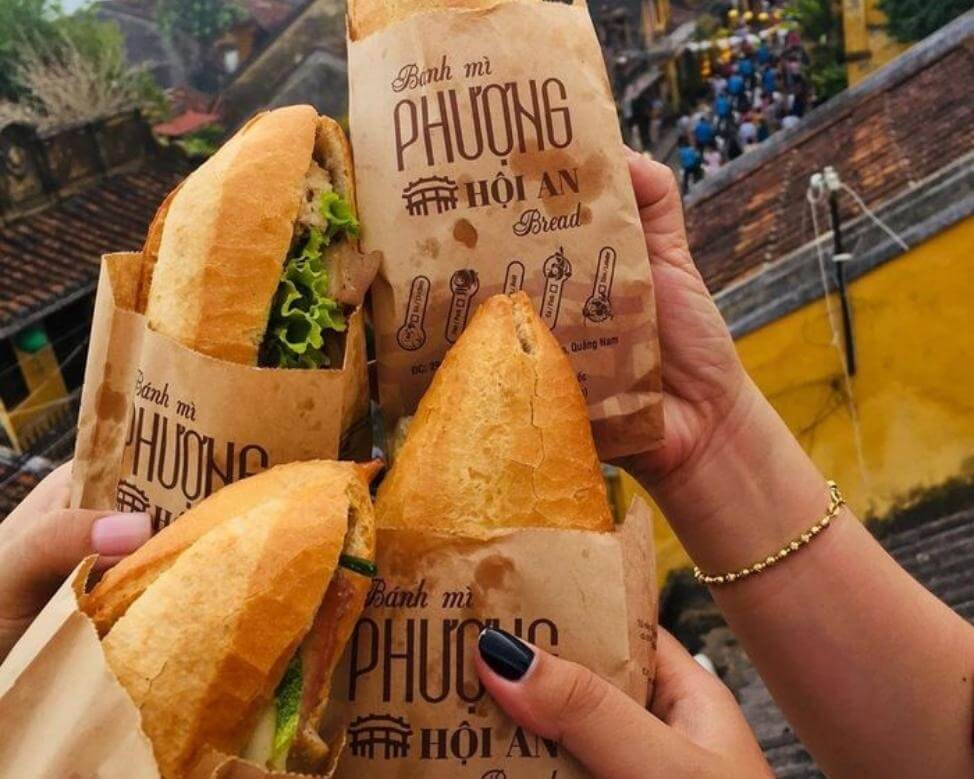
In 2019, Phuong Banh Mi Hoi An opened a store in Korea, reported by many domestic newspapers such as Tuoi Tre Online and VNExpress, with a price of about 150,000 VND/loaf.
In Hong Kong (China), the Banh Mi restaurant in Wan Chai area attracts customers to line up. In 2025, the restaurant will be included in the Michelin Selected list by the Michelin Guide, according to information from the official page of the Michelin Guide Hong Kong & Macau. Actor Nicholas Tse also praised the taste of this dish on social networks.
In particular, according to the "Top 100 Vietnamese dishes" ranking published by Taste Atlas, the roasted meat version was ranked number one, surpassing many other familiar dishes.
From sidewalk to "culinary ambassador"
According to culinary experts quoted by Vietnamnet in an analysis of the spread of Vietnamese cuisine, street foods such as pho, iced milk coffee and banh mi are gradually becoming "cultural representatives" when entering the world.
In Vietnam, people can buy a hot, crispy loaf for 20,000–30,000 VND on any street corner. But when abroad, that dish not only carries nutritional value, but is also associated with cultural stories and community memories.
For Vietnamese people far from home, it is a taste that reminds them of home. For international diners, it is a new culinary experience, a harmony between the East and the West.
Perhaps that's why, even though the price is many times higher, those crispy crust sandwiches are still sold regularly every day in the land of kimchi, proof that Vietnamese cuisine is gradually asserting its position on the world map.
NoodleSaigon20 - The First Fresh Bun & Pho Noodles in Korea
At NoodleSaigon20, we firmly believe that selecting the right variety of rice is essential to crafting authentic and delicious bowls of bun and pho. We use carefully selected rice grains to produce fresh noodles that meet the highest quality standards, ensuring an exceptional culinary experience for our customers.
-
01. Traditional flavor, exceptional quality
-
02. International standard HACCP-certified factory (Hazard Analysis and Critical Control Points)
-
03. Advanced freezing technology for optimal preservation
-
04. Convenient and easier to prepare than dried noodles
-
05. Loved by international diners, exported to Korea, Japan, and beyond…
Our products are currently available for wholesale and retail in South Korea. You can order via Hotline or message us on Facebook: