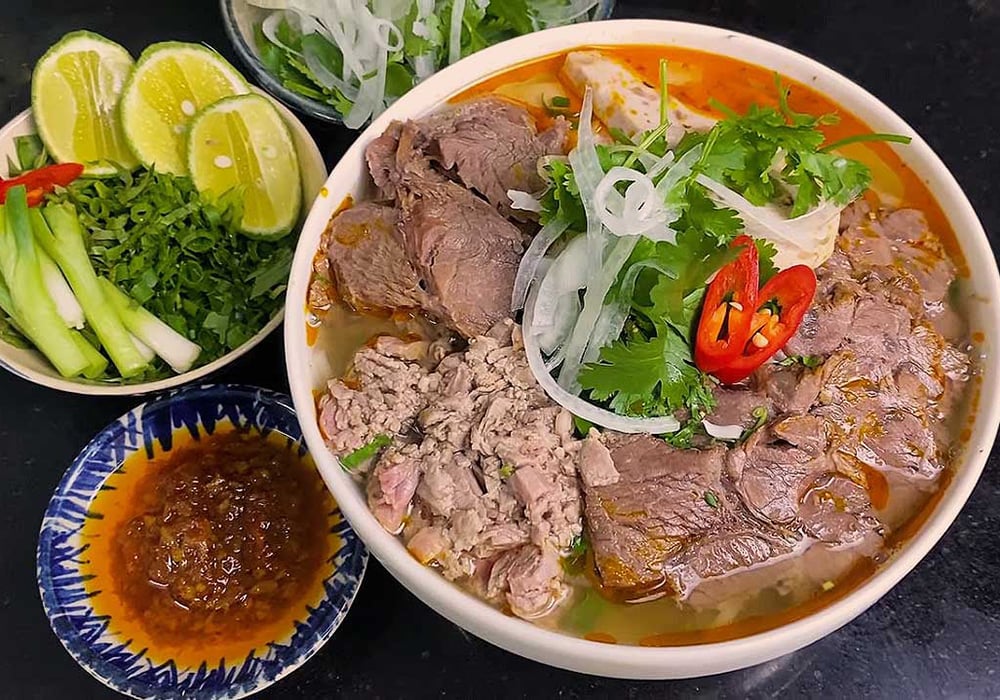
In the past few years, Vietnamese cuisine has become a "phenomenon" in Korea. Not just stopping at enjoying while traveling or eating out, many Koreans have started learning how to cook Vietnamese dishes, even opening restaurants for business. This is both an interesting story of cultural interference and a testament to the strong appeal of Vietnamese cuisine. Why is that so, let's find out the reason with NoodleSaigon20!

Why do Koreans learn to cook Vietnamese dishes?
Attraction of Vietnamese cuisine: Vietnamese dishes are famous for their balanced, light but delicate flavors: pho with sweet broth, crispy bread, spicy beef vermicelli, fresh spring rolls... These flavors create a feeling of both novelty and good for health - very suitable for modern eating trends in Korea.
Experience culinary tourism: More and more Korean tourists come to Vietnam just to "eat". After the trip, many people came up with the idea of learning to cook and bringing that experience back, opening a small shop or restaurant in Korea.
Inspirational personal story: Many Koreans have lived in Vietnam for many years, learned the language, become familiar with the culture and love the food. When they returned to Korea, they chose to open a Vietnamese restaurant to both do business and keep memories and feelings attached to Vietnam.
Vietnamese restaurant models are operated by Koreans
Traditional restaurant: Selling classic dishes such as pho, banh mi, grilled meat vermicelli, and spring rolls.
Fusion restaurants: Combining Vietnamese spices with Korean cooking methods, creating new dishes but still keeping the "Vietnamese soul".
Small shops, fast food restaurants: Serving simple, easy-to-eat Vietnamese dishes every day.
International restaurants: Koreans bring Vietnamese cuisine to open in third countries, targeting global customers.
The common point is that they often learn directly from Vietnamese people, adjusting their taste to suit Korean diners, while still trying to keep the characteristics of Vietnamese dishes.
Opportunities and challenges
Opportunity:
- Young Koreans love to try new dishes and are willing to spend money on culinary experiences.
- Vietnamese cuisine has an image of "healthy, good for health", consistent with the trend of green living.
- Korean Vietnamese restaurants easily attract curiosity: "How do Koreans cook Vietnamese food?".
- Opens up opportunities to import raw materials from Vietnam, creating bilateral trade connections.
Challenge:
- Cooking the original flavor is not easy, especially when it comes to pho broth or how to mix fish sauce.
- Some typical ingredients such as herbs and Vietnamese spices are difficult to find or have high prices.
- If you change it too much, it will lose its "Vietnamese quality", but if you keep it the same, it may be difficult to suit Korean tastes.
- Restaurant managers need to skillfully combine Vietnamese and Korean service styles.
|
The trend of Koreans learning to cook Vietnamese dishes not only creates more Vietnamese restaurants in Korea, but also expands the demand for authentic ingredients. This is an opportunity for NoodleSaigon20 to bring traditional Vietnamese fresh vermicelli and pho noodles closer to both Korean chefs and Vietnamese restaurants in Korea. We believe that each strand of vermicelli - pho strand with the taste of home is the bridge that helps Vietnamese cuisine shine on the international dining table. |
NoodleSaigon20 - The First Fresh Bun & Pho Noodles in Korea
At NoodleSaigon20, we firmly believe that selecting the right variety of rice is essential to crafting authentic and delicious bowls of bun and pho. We use carefully selected rice grains to produce fresh noodles that meet the highest quality standards, ensuring an exceptional culinary experience for our customers.
-
01. Traditional flavor, exceptional quality
-
02. International standard HACCP-certified factory (Hazard Analysis and Critical Control Points)
-
03. Advanced freezing technology for optimal preservation
-
04. Convenient and easier to prepare than dried noodles
-
05. Loved by international diners, exported to Korea, Japan, and beyond…
Our products are currently available for wholesale and retail in South Korea. You can order via Hotline or message us on Facebook: