Cuisine has long been one of the important factors attracting tourists to Vietnam.
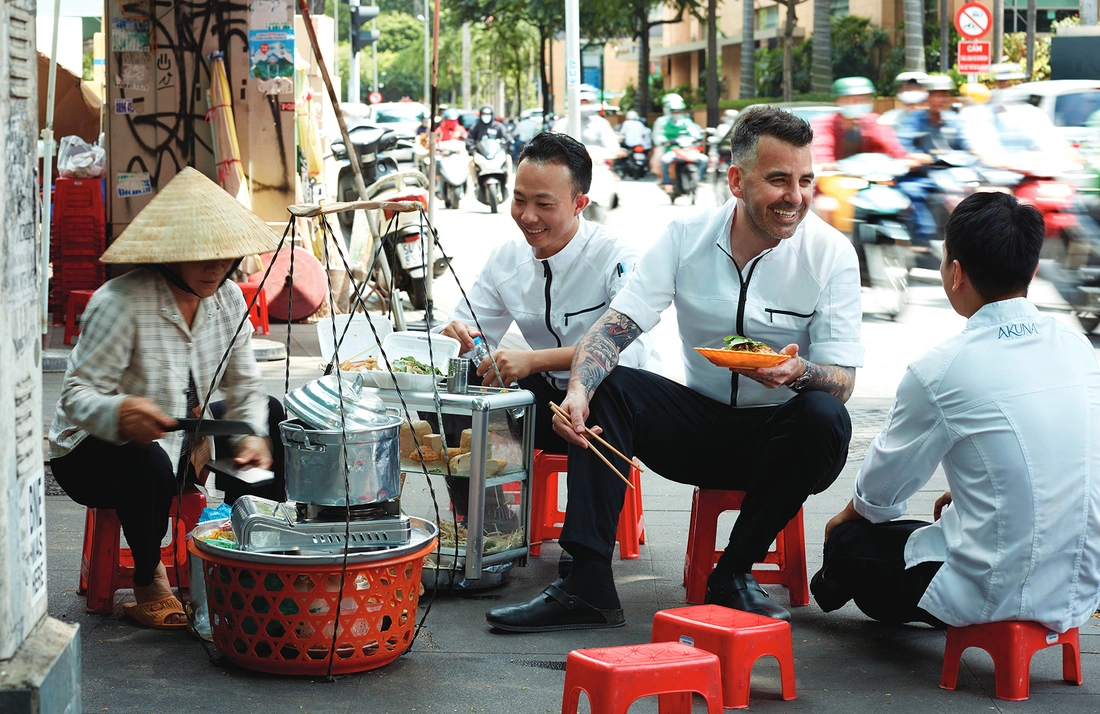
In recent years, this attraction has been further confirmed when many international rankings have continuously honored Vietnamese street food along with the presence of the Michelin Guide in the past three years, contributing to promoting Vietnamese cuisine from popular to high-class globally.
What makes Vietnamese cuisine attractive is also hotly discussed with outstanding factors such as rich flavors, diverse preparation methods, delicate balance, healthiness and quality of ingredients.
Tuoi Tre invited Sam Aisbett and Chad Kubanoff - two experienced chefs who share a passion for Vietnamese street food - to participate in a general conversation, discussing "full throttle" to look back at what factors position Vietnamese cuisine in the eyes of international diners.
Love shrimp paste and fish sauce
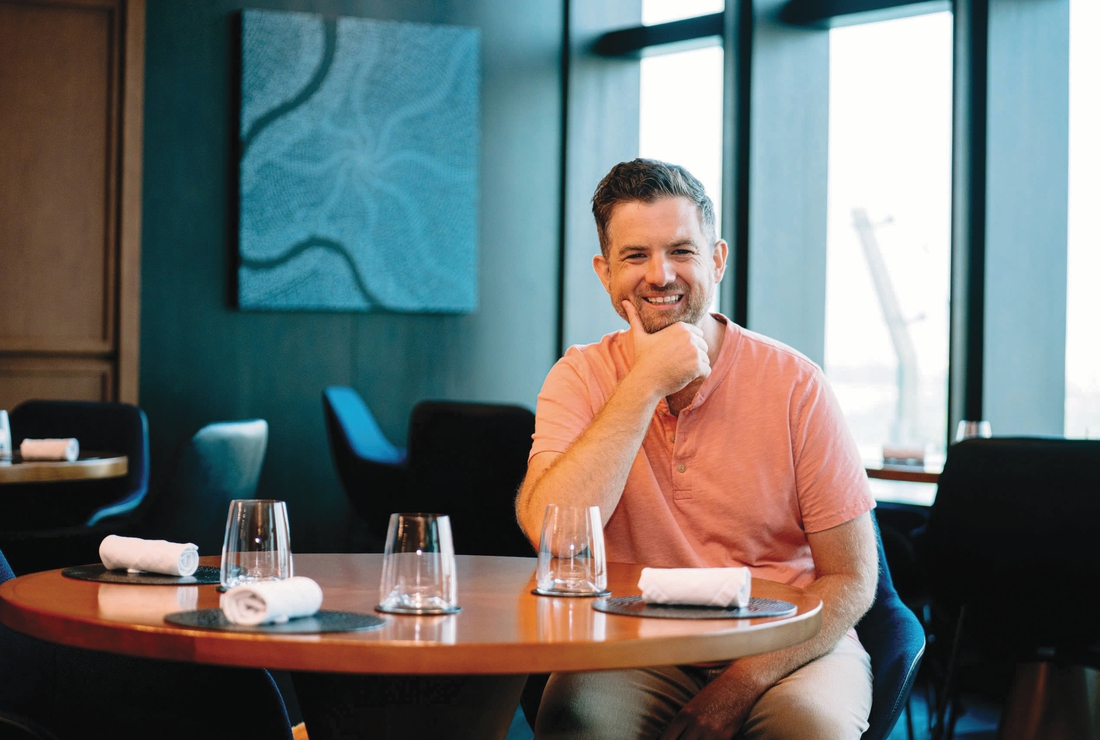
* Before and after coming to Vietnam, how has your perspective on Vietnamese cuisine changed?
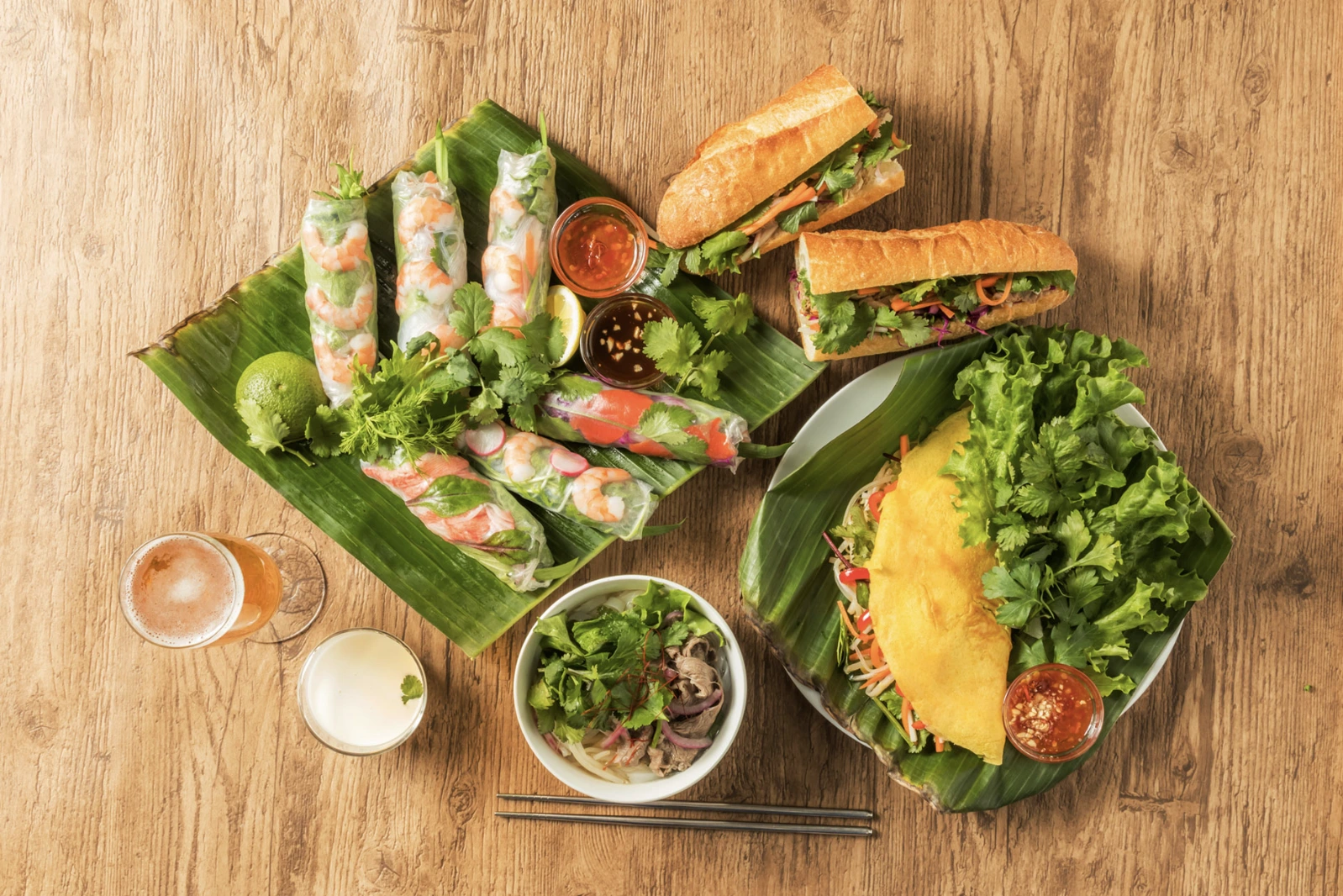
- Sam: In Australia there are many Vietnamese restaurants, but when you go there you only see pho and banh mi. Before coming to Vietnam, I thought Vietnamese cuisine was just that. When I actually set foot here, "Oh my god! There are so many things, all kinds of dishes, flavors, fish sauces, seafood...".
The more I travel, the more clearly I see the difference. Even bread, eaten in one place and another, is different. Because banh mi and pho are so famous in the world, people think Vietnamese cuisine is just that, but in reality it is much more diverse.
- Chad: Vietnamese cuisine has many chewy dishes. Before, I thought delicious food had to be soft, but that's not always the case. Sometimes you need toughness, sometimes you need bitterness, sometimes you need "smell" and chili is also very important.
My palate has expanded a lot and I'm more receptive to "strange" flavors than before. I also no longer find fish sauce to be strong-smelling, but a harmonious, delicious spice. I think Vietnamese fish sauce is the most delicate. In my opinion, it is the cleanest and tastiest, while the others are quite heavy and harsh.
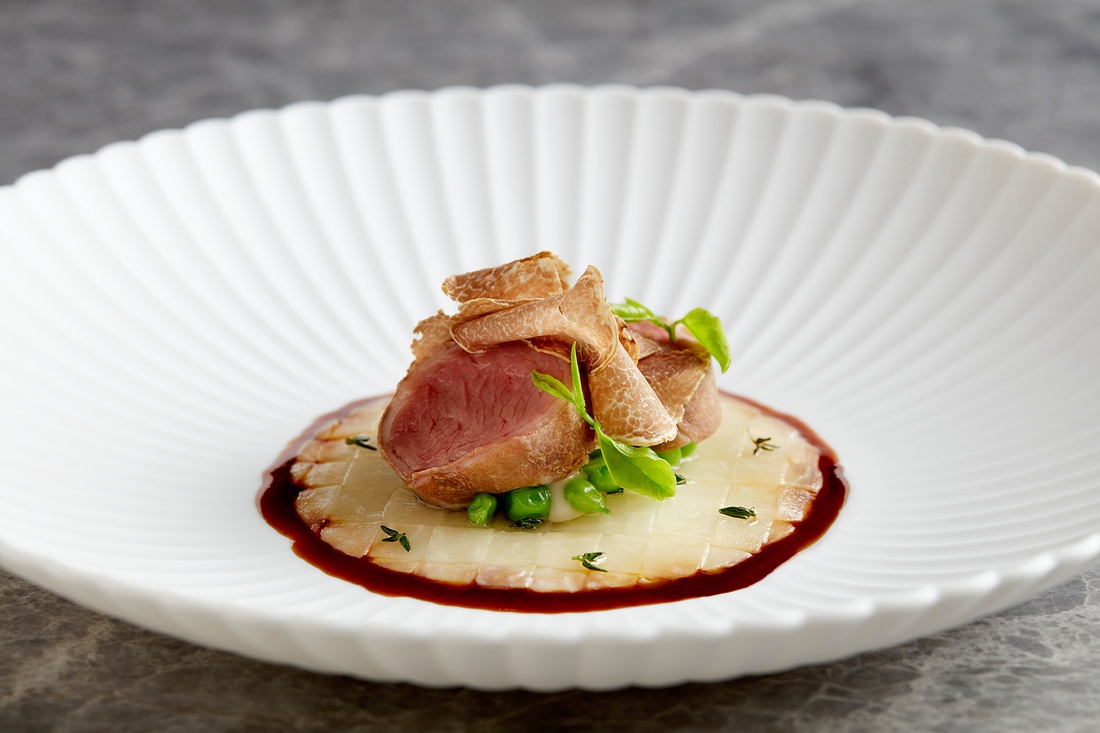
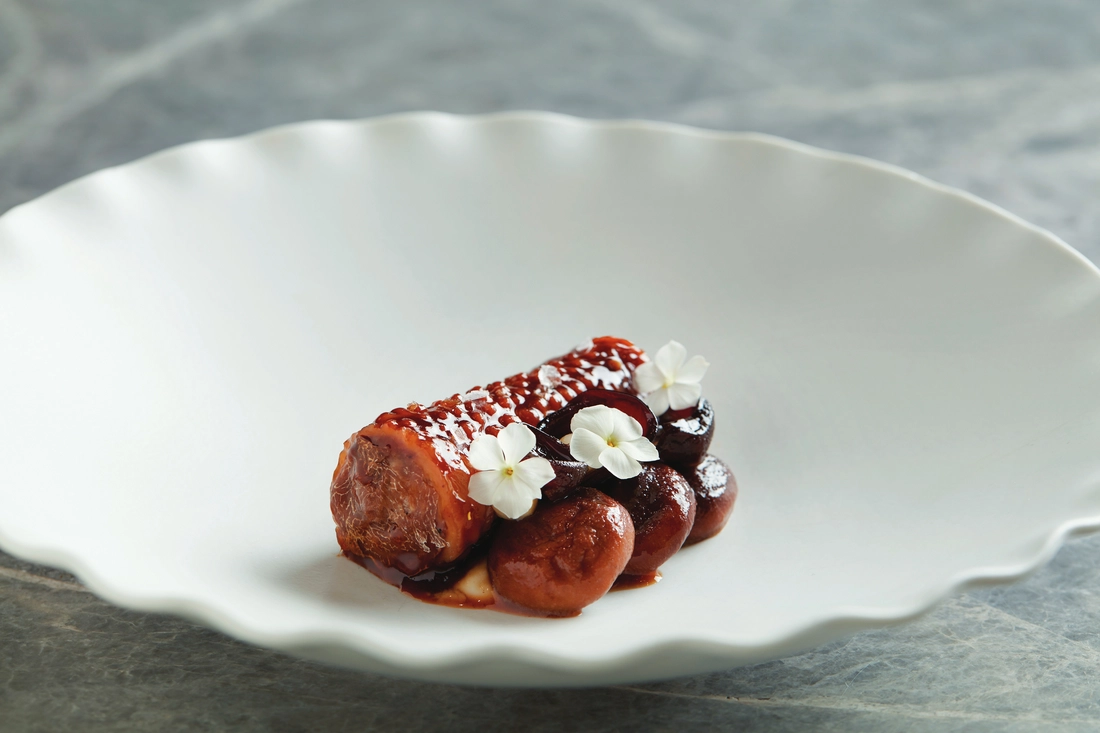
* If you were to choose a Vietnamese street food that you love the most and a dish that you created from Vietnamese ingredients that you are most proud of, what would it be?
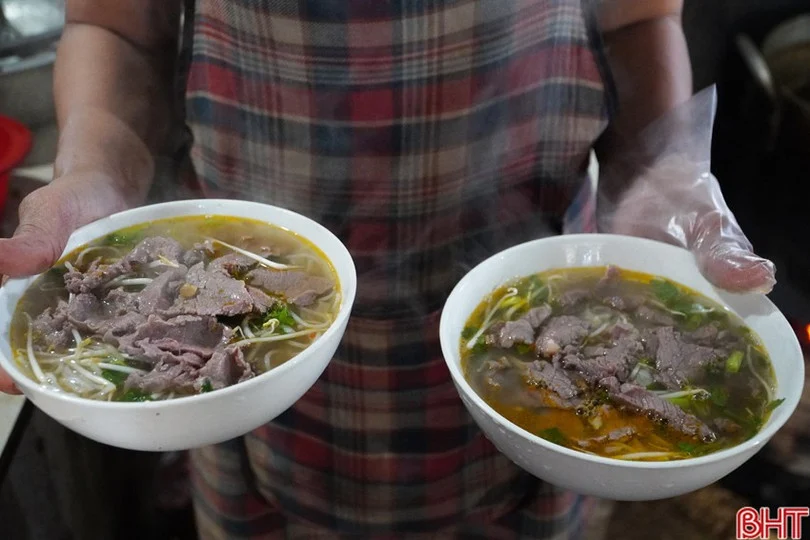
- Chad: It's hard to choose because it's always changing. But at this moment my favorite dish is perch vermicelli, and in the long run, the top dish for me is still Hue beef vermicelli.
One homemade dish that I'm quite proud of is meatloaf (ground meat molded into blocks) flavored with shrimp paste. I really like braised pork with fish sauce, because its flavor is quite special, and meatloaf is a simple, cheap, and easy-to-eat American dish.
Shrimp paste is an ingredient that is not easily accessible to foreign tastes. I tried making a grilled sauce from fish sauce and then mixed pork with breadcrumbs and eggs, then added fish sauce.
- Sam: Lately I'm addicted to chicken sticky rice, eating it almost every other day. In addition, bread, everyone knows this dish. Sometimes when I crave it, I buy bread and walk to work.
- Chad asked Sam: Have you tried burnt rice yet? Rice is pressed in a large pan, grilled until crispy, then dipped in sweet and salty fish sauce. Break a piece of burnt rice into pieces and eat with vegetables.
- Sam: Yes, I ate. I like it very much!
- Chad: I think many chefs will also like this dish because the flavor of the braised rice is very impressive, and the texture of the burnt rice is also very interesting. In addition, bun mam is also a dish that I think many chefs should try. These are all flavors that many Western chefs have never experienced.
- Sam: That's right, that's why we're here (Vietnam). One interesting thing is that I am using a lot of fish sauce in my menu, in many different ways.
Previously I used Japanese-style white soy sauce, but now I have almost completely switched to fish sauce. Fish sauce creates a very strong, very deep umami taste. So I'm constantly changing the dishes, but using fish sauce on the menu now is something I'm quite proud of.
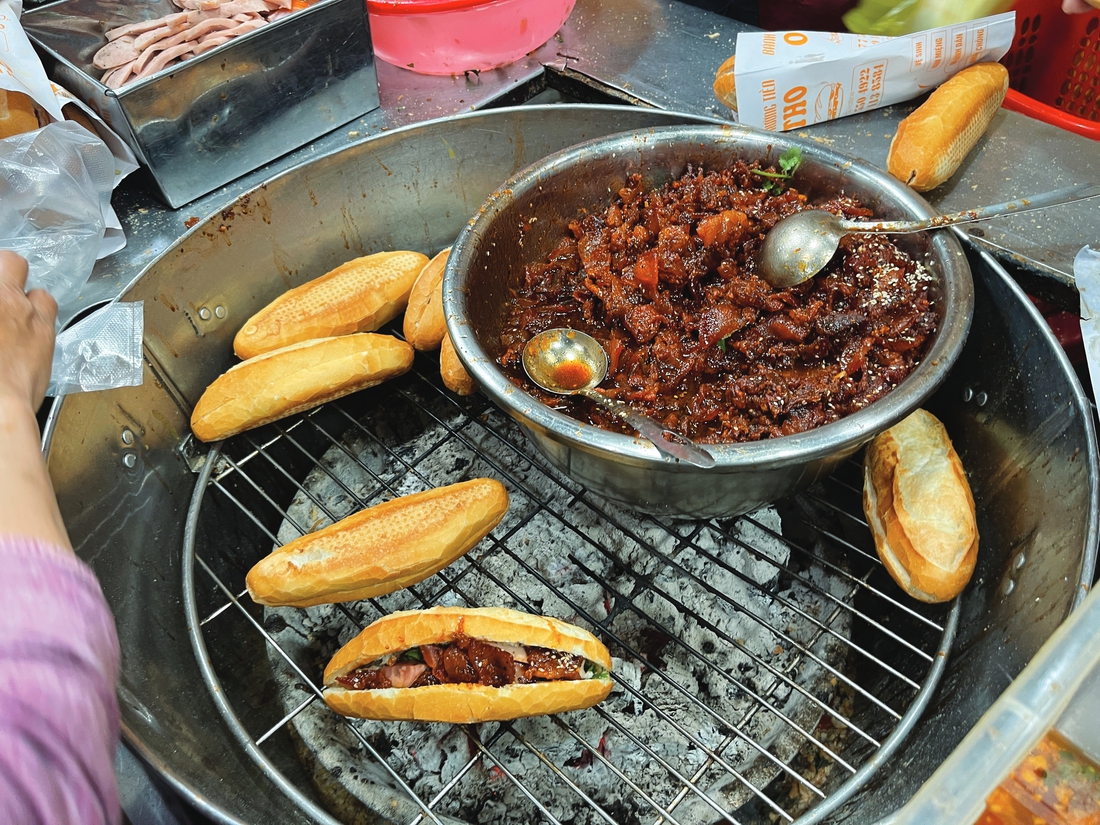
Street food is at its core
* From the perspective of a foreigner with a strong culinary background, what do you think makes Vietnamese cuisine attractive to international diners? And which factor is more prominent: street food or fine dining?
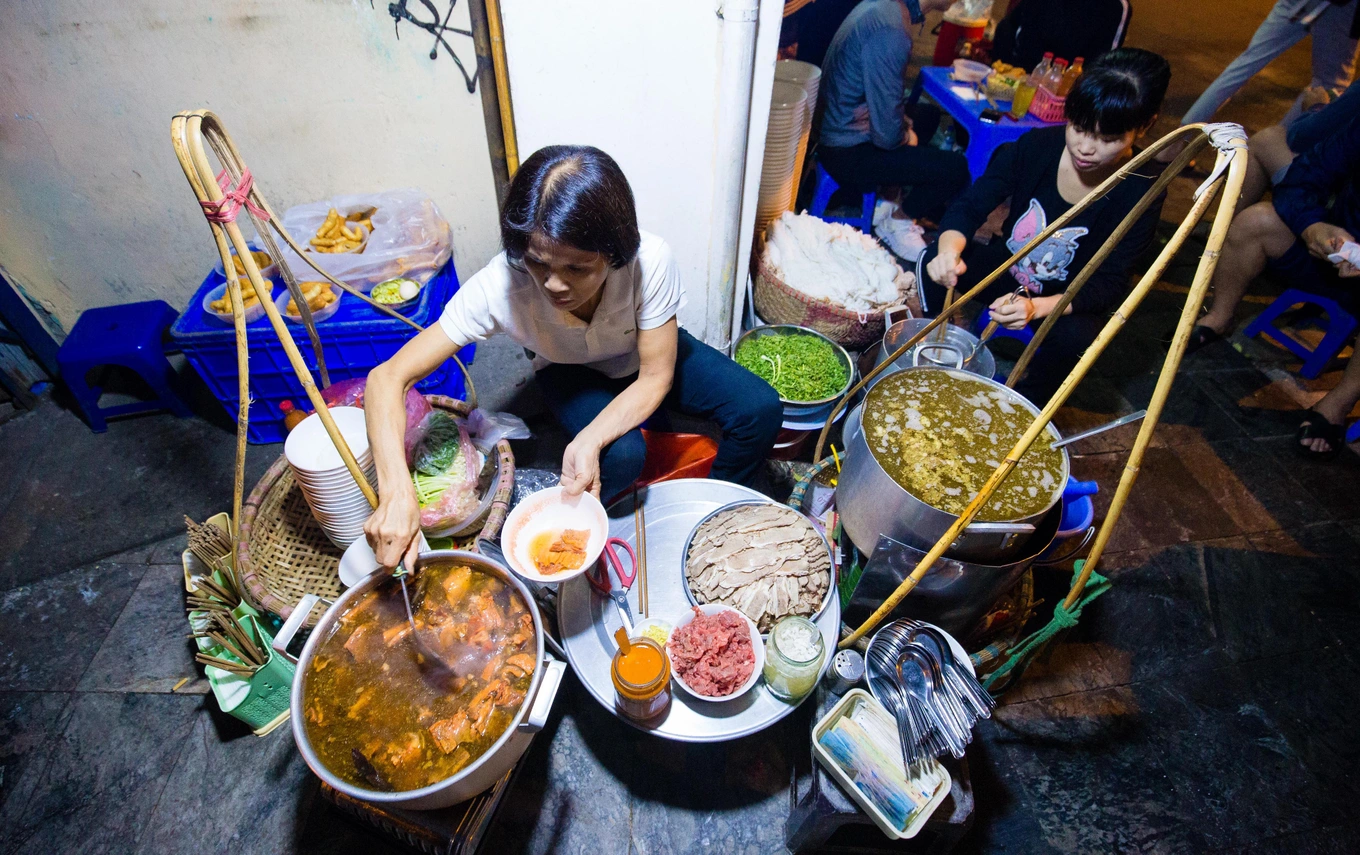
- Sam: I think most tourists when coming to Vietnam, the first thing they look for is street food, because that is what Vietnam is best known for. So perhaps as soon as they arrive, people will "rush" into the street restaurants first.
Only then did they begin to explore fine dining to see another expression of Vietnamese cuisine or new cooking styles. So to say which one is more outstanding is quite difficult. For me, it's both.
However, there are now many restaurants and chefs, especially Vietnamese chefs, who are doing very interesting things and gradually attracting attention. I recently attended the 50 Best event in Hong Kong and I can see that Vietnam is gradually being recognized as a high-class culinary destination, not just street food.
- Chad: For me, it's definitely 100% Vietnamese street food. Fine dining is already a rather "niche" segment and when it comes to Vietnamese fine dining, it is even more "niche".
Most people only know about banh mi and pho. They are not familiar with the premium versions of these items. So when they come to Vietnam, they want to try "authentic" bread and pho, original and authentic. Therefore, it is street food that is most clearly represented.
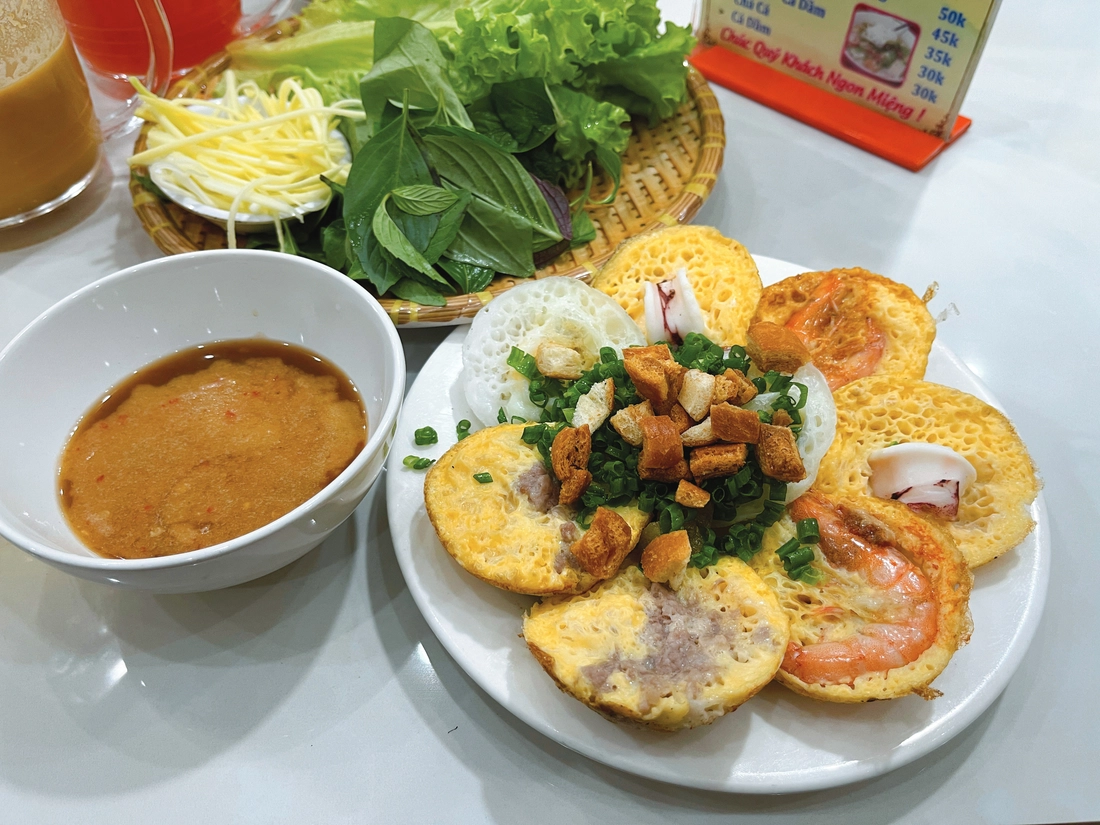
* Asian countries all have very interesting street food cultures. So in your opinion, what makes Vietnamese street food so popular?
- Chad: First of all, the taste, it's simply delicious. The food here is delicious, healthy and fresh. Cuisine itself is attractive, street food is also "fun".
Sitting on plastic chairs, everyday atmosphere. For people who aren't too fussy, they'll see, "Oh, this is really fun, this is a really cool experience." And Vietnam is also very lucky because it has suitable weather to maintain this type of eating all year round.
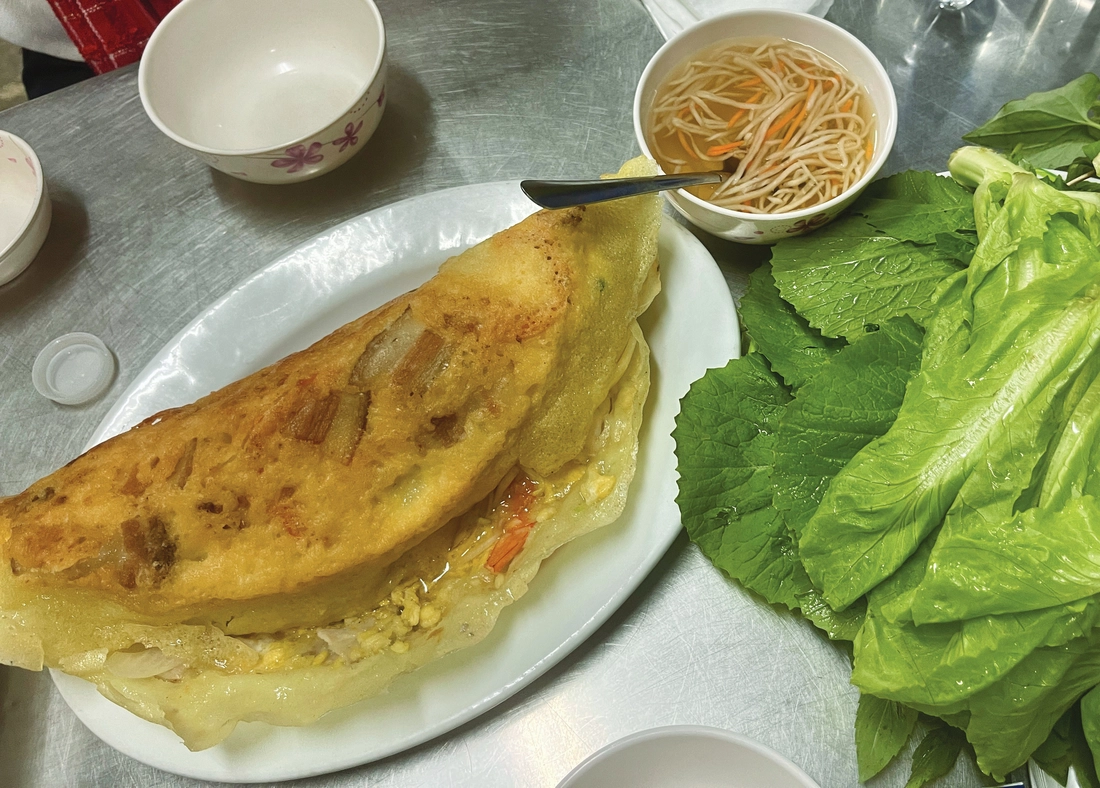
- Sam: I think the highlight is the freshness, the dishes always have a tray of fresh vegetables. When my friends came here to eat and saw such a large plate full of vegetables, they were all very surprised. Dishes with broth have a very rich flavor. Vietnamese cuisine has its own unique identity.
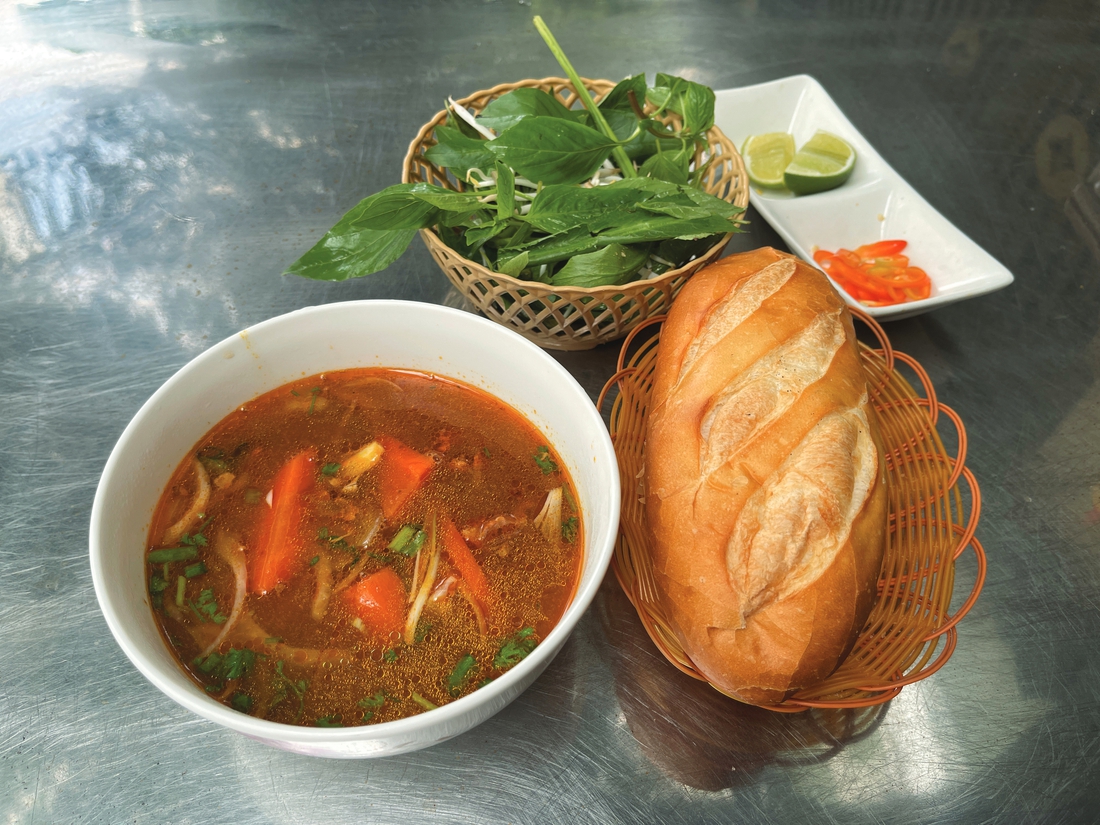
"The most interesting culinary life in the world"
* If you introduce Vietnamese cuisine to someone who has never been here, especially if you want to attract them to Vietnam, how would you describe it?
- Chad: I would say this is the place with the most interesting culinary life in the world: super energetic, constantly changing, constantly evolving, traditional yet not traditional, full of contrasts.
Thanks to street food with countless small shops, things change extremely quickly. A new dish can appear, spread throughout the city for a short time and then decline. Things flare up and then cool down, repeating in short cycles.
- Sam: Whenever I have friends here, I try to take them to the most local places possible, let them sit on plastic chairs, and drink coffee on the sidewalk. Someone told me Vietnam is probably just like Thailand. I immediately said: "It's not the same at all, you have to come here and experience it yourself!".
As a chef, I have traveled many places, all over Asia and thought I was quite familiar with the products in the region. I thought I didn't know anything, having been in the profession for so long. Then when I came to Vietnam, I realized there were vegetables that I didn't know what they were. Seafood is countless, entering the market it seems like there are 2 billion types of snails that I have never seen in my life. For a chef, it is extremely attractive because there is something new to explore, to experiment with new ingredients.
The story of high-quality Vietnamese ingredients
* One thing I always want to ask chefs is about Vietnamese ingredients. When it comes to fine dining, people often think of using imported ingredients. But a younger generation of Vietnamese chefs are trying to promote local ingredients in their fine dining creations. What do you two think about that?
- Chad: In addition to the mentality that imported foods are good, customers also have the mentality that they spend a lot of money on fine dining, they often want beef, truffle mushrooms, caviar... This is something that is very difficult to change.
Another issue is the supply chain. There are good raw materials, but the transportation and preservation process is not good enough to maintain quality from the moment of capture. This is where fine dining can help because restaurants like Sam's can pay higher prices to farmers and fishermen in exchange for better products. When someone pays them well, the producer has the incentive to work more carefully.
Personally, I want to promote local ingredients, things Vietnam does well. And if we don't have cows that are as good as others, let's ignore them and focus on the good things we have.
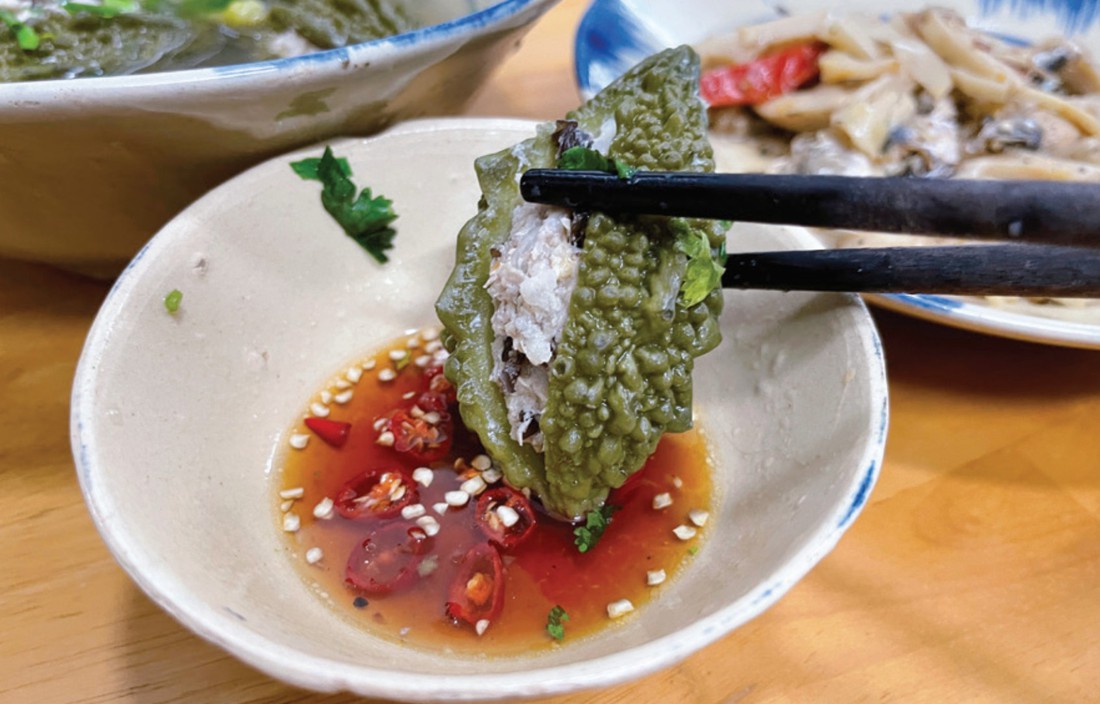
- Sam: When I first came here, I didn't know how to source seafood, so I just imported it from Japan because it was easy because I was familiar with the source and guaranteed quality, so I didn't have to worry. But as I became more familiar, I started finding sources in Vietnam, working directly with fishermen, and even asking them to go fishing on their own.
Vietnam has very good ingredients. The problem is how to get more restaurants to put it on the menu, more people to talk about it, and to eat it more so that the world can see that not only Japan but Vietnam also has seafood at the same level.
* If you choose one element to build a brand for Vietnamese cuisine, what should it be?
- Sam: Vietnam has the potential for unique and quality ingredients, it just needs more people to tell that story, introduce it to the world and gradually build a reputation.
- Chad: If looking at a global scale, when promoting Vietnamese cuisine, I will choose to go in the "healthy" direction: good for health. Vietnam has a delicious yet light cuisine: less oil, less fat, less fried, less gluten, overall a health-conscious cuisine, lots of vegetables, rich in nutrition. That is a huge advantage.
In terms of tourism in general, I think one of the largest groups of visitors to Vietnam are "foodies": people who are passionate about food. For example, I often think about opening a "food camp", about two hours away from the city. Guests will stay for 3-4 days and experience the cuisine in depth. I believe such models will be very effective.
|
NoodleSaigon20 - The First Fresh Bun & Pho Noodles in Korea
At NoodleSaigon20, we firmly believe that selecting the right variety of rice is essential to crafting authentic and delicious bowls of bun and pho. We use carefully selected rice grains to produce fresh noodles that meet the highest quality standards, ensuring an exceptional culinary experience for our customers.
-
01. Traditional flavor, exceptional quality
-
02. International standard HACCP-certified factory (Hazard Analysis and Critical Control Points)
-
03. Advanced freezing technology for optimal preservation
-
04. Convenient and easier to prepare than dried noodles
-
05. Loved by international diners, exported to Korea, Japan, and beyond…
Our products are currently available for wholesale and retail in South Korea. You can order via Hotline or message us on Facebook: