In the heart of the city of Tampere, Southern Finland, two restaurants with strong Vietnamese imprints, Bistro DinDín and Oban Vietnamese Kitchen, are becoming notable highlights in the local culinary picture.
The owner of these two restaurants is Ms. Mai Tran. According to Aamulehti Newspaper (Finland), Mai Tran is one of the typical faces of the wave of immigrant restaurant owners in Finland, who are contributing to "filling the human resource gap and enriching local culinary life".
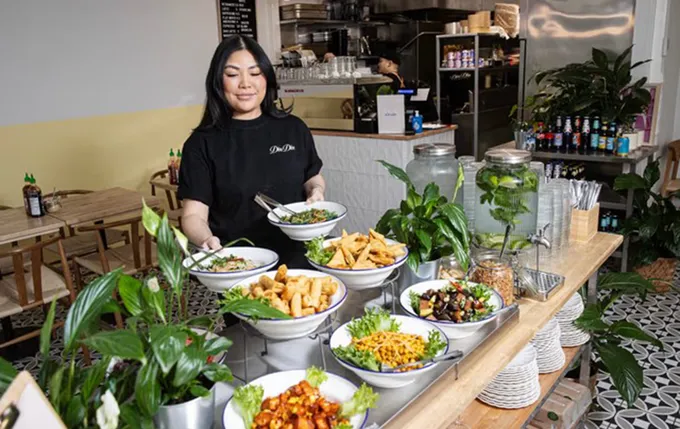
Bistro DinDín is Mai Tran's first mark in Tampere. This is a modern Vietnamese cuisine model, combining traditional spirit and European style.
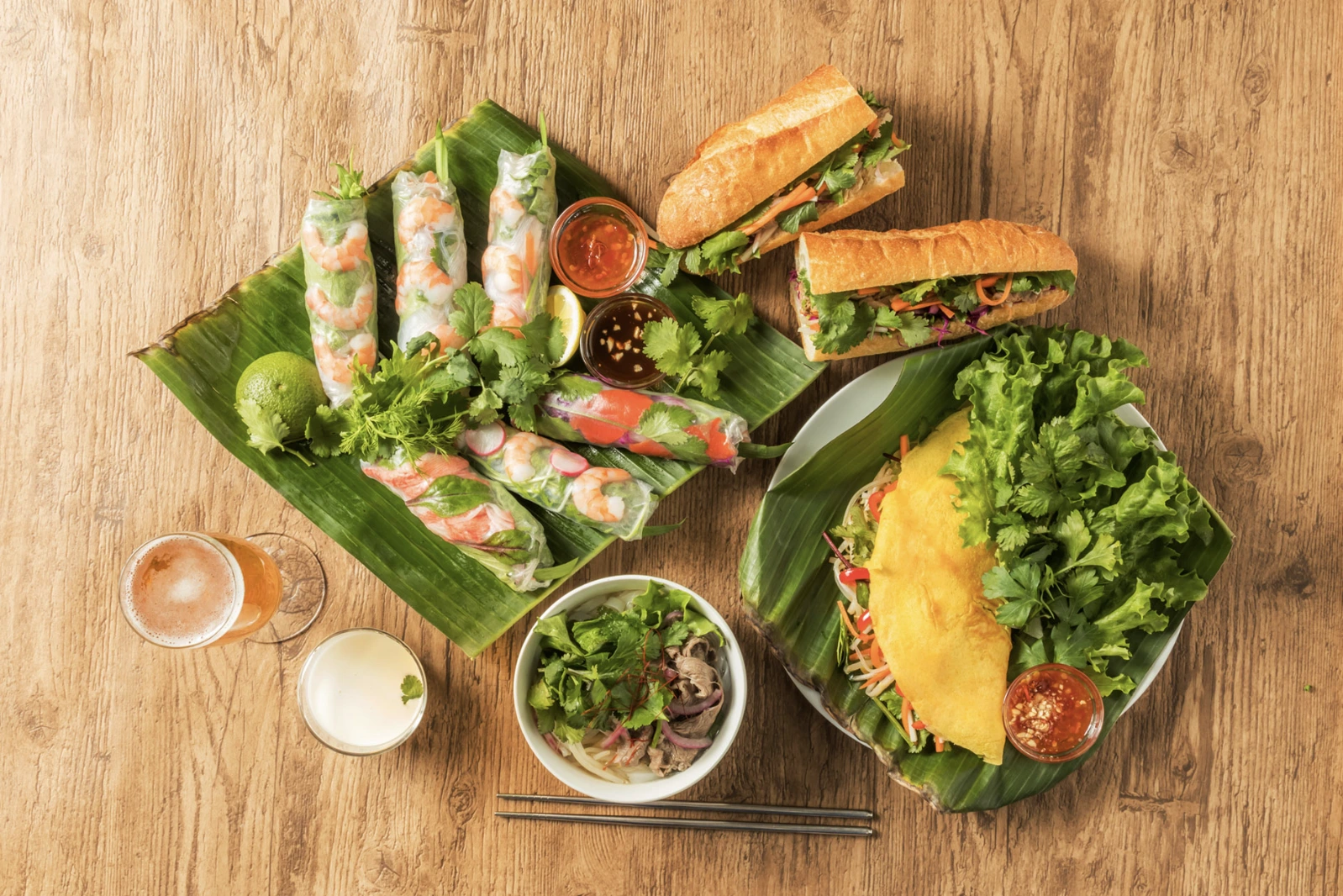
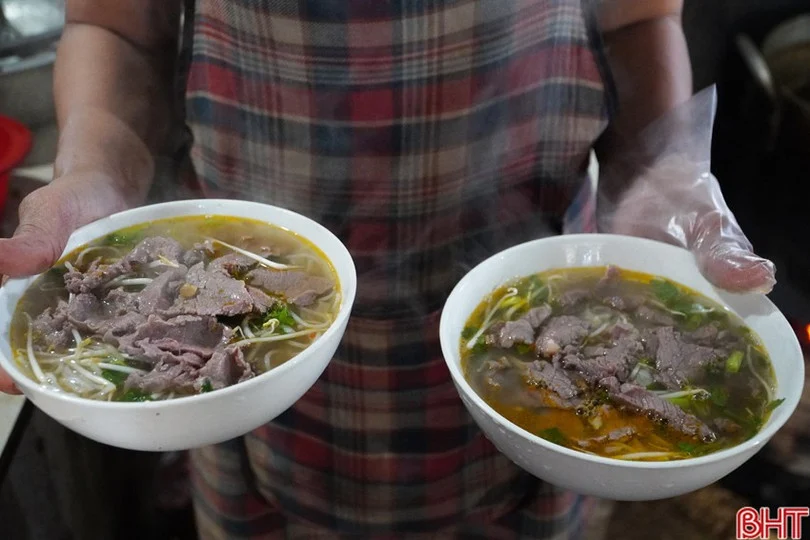
The restaurant focuses on familiar dishes such as pho, vermicelli, spring rolls, braised beef, which are considered the "backbone" of Vietnamese cuisine. However, Bistro DinDín's approach is not simply to retain the original flavors, but to adapt them to suit the Nordic market.
The restaurant's menu shows remarkable flexibility. In addition to traditional dishes, Bistro DinDín also added vegan and gluten-free options, a popular request in Finland today.
It is this balance between "keeping roots" and "adapting" that has helped Bistro DinDín quickly gain a foothold in the center of Tampere, becoming one of the destinations chosen by many locals.
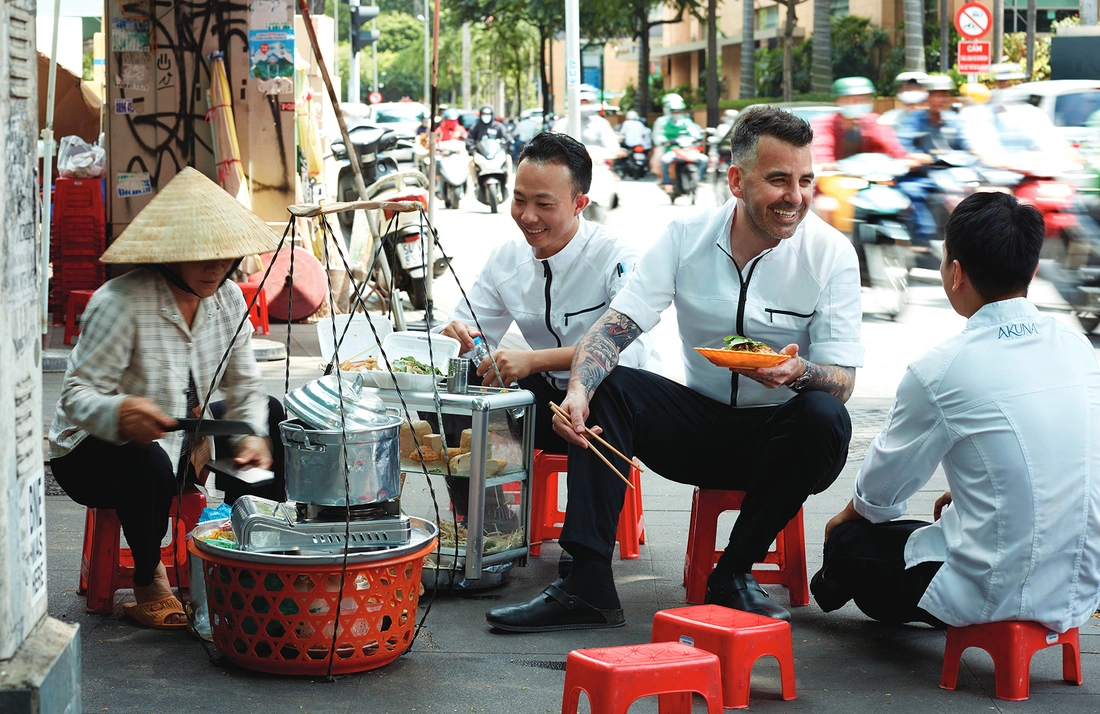
If Bistro DinDín has a modern style, Oban Vietnamese Kitchen represents a different direction when it comes to Vietnamese street food.
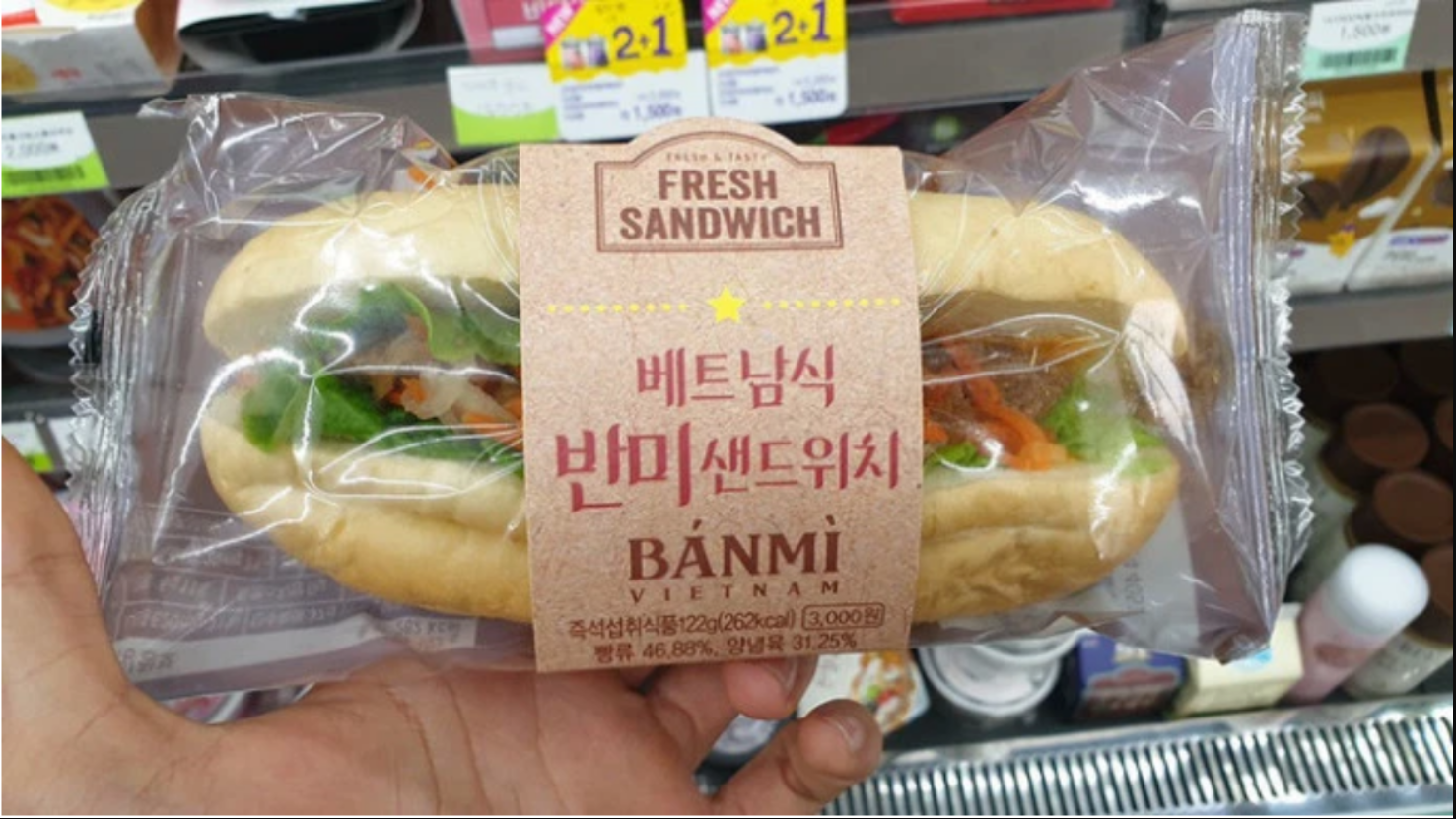
The restaurant was built with the goal of bringing authentic Vietnamese cuisine, especially banh mi and street food, to diners.
Oban Vietnamese Kitchen's space and menu focus on simplicity and speed while still maintaining its identity. Banh mi - the iconic dish of Vietnamese cuisine - is the center of this model, alongside dishes such as spring rolls, vermicelli, rice and stir-fries.
Notably, Obanh Vietnamese Kitchen not only serves Vietnamese customers but strongly targets local people, with a subtle way of adjusting the taste without losing the "soul" of the dish.
To get initial results in a not-so-easy culinary market like Finland, Aamulehti Newspaper said, Mai Tran had to face many difficulties.
The pressure of high operating costs, strict regulations and fierce competition in the culinary industry are challenges that she must overcome to gradually find a foothold. But the most difficult thing is the difference in taste.
Vietnamese cuisine uses many typical spices such as fish sauce and herbs - elements that are not always suitable for the eating habits of Northern Europeans.
This forces Mai Tran to flexibly adjust the menu to both maintain the flavor of the dish and ensure accessibility to local diners.
Despite the difficulties, Mai Tran is also benefiting from a big trend of the strong development of Asian cuisine in Europe.
Vietnamese cuisine, with its light characteristics, lots of green vegetables and balanced nutrition, is increasingly winning the hearts of Finnish consumers who prefer a healthy lifestyle.
The highlight of Mai Tran's journey is not only opening a restaurant, but also the effort to maintain Vietnamese culinary identity in an international environment.
This is shown by keeping the traditional pho recipe intact, from the bone broth to the use of typical herbs.
In other words, Bistro DinDín and Obanh Vietnamese Kitchen are businesses, but also "touch points", cultural meeting points between Vietnamese people and local diners - where cuisine becomes a way to tell stories about the identity, memories and integration journey of the immigrant community in a cold country.
Aamulehti newspaper commented that restaurants like Mai Tran's are contributing to "diversifying the local culinary market and reflecting changes in the structure of Finnish urban society".
NoodleSaigon20 - The First Fresh Bun & Pho Noodles in Korea
At NoodleSaigon20, we firmly believe that selecting the right variety of rice is essential to crafting authentic and delicious bowls of bun and pho. We use carefully selected rice grains to produce fresh noodles that meet the highest quality standards, ensuring an exceptional culinary experience for our customers.
-
01. Traditional flavor, exceptional quality
-
02. International standard HACCP-certified factory (Hazard Analysis and Critical Control Points)
-
03. Advanced freezing technology for optimal preservation
-
04. Convenient and easier to prepare than dried noodles
-
05. Loved by international diners, exported to Korea, Japan, and beyond…
Our products are currently available for wholesale and retail in South Korea. You can order via Hotline or message us on Facebook: