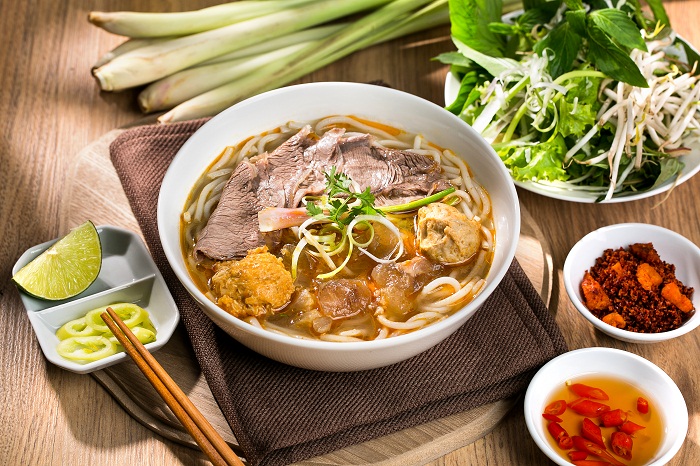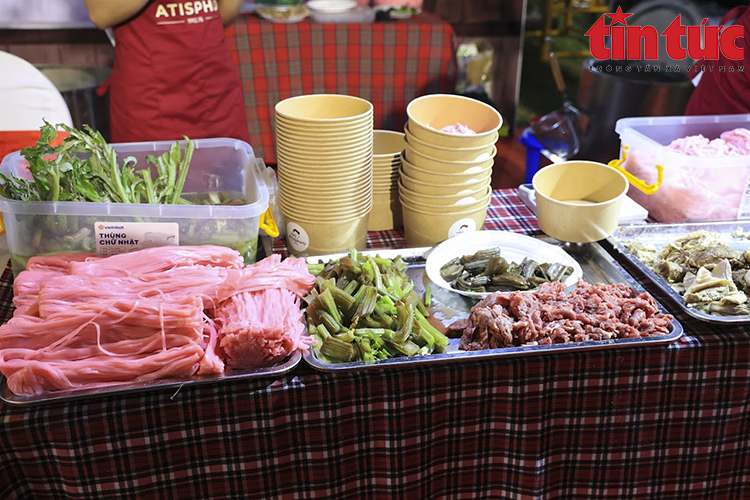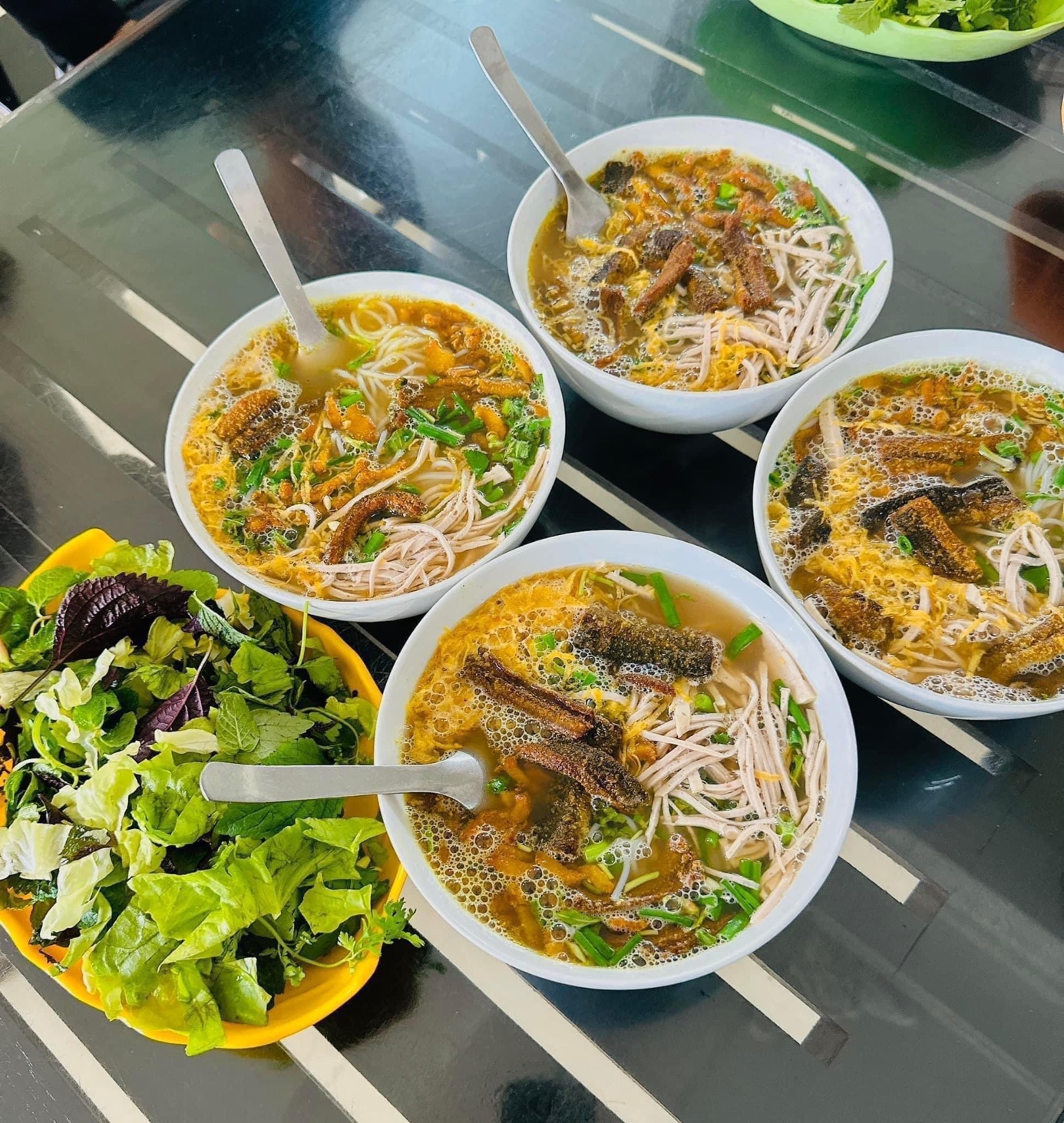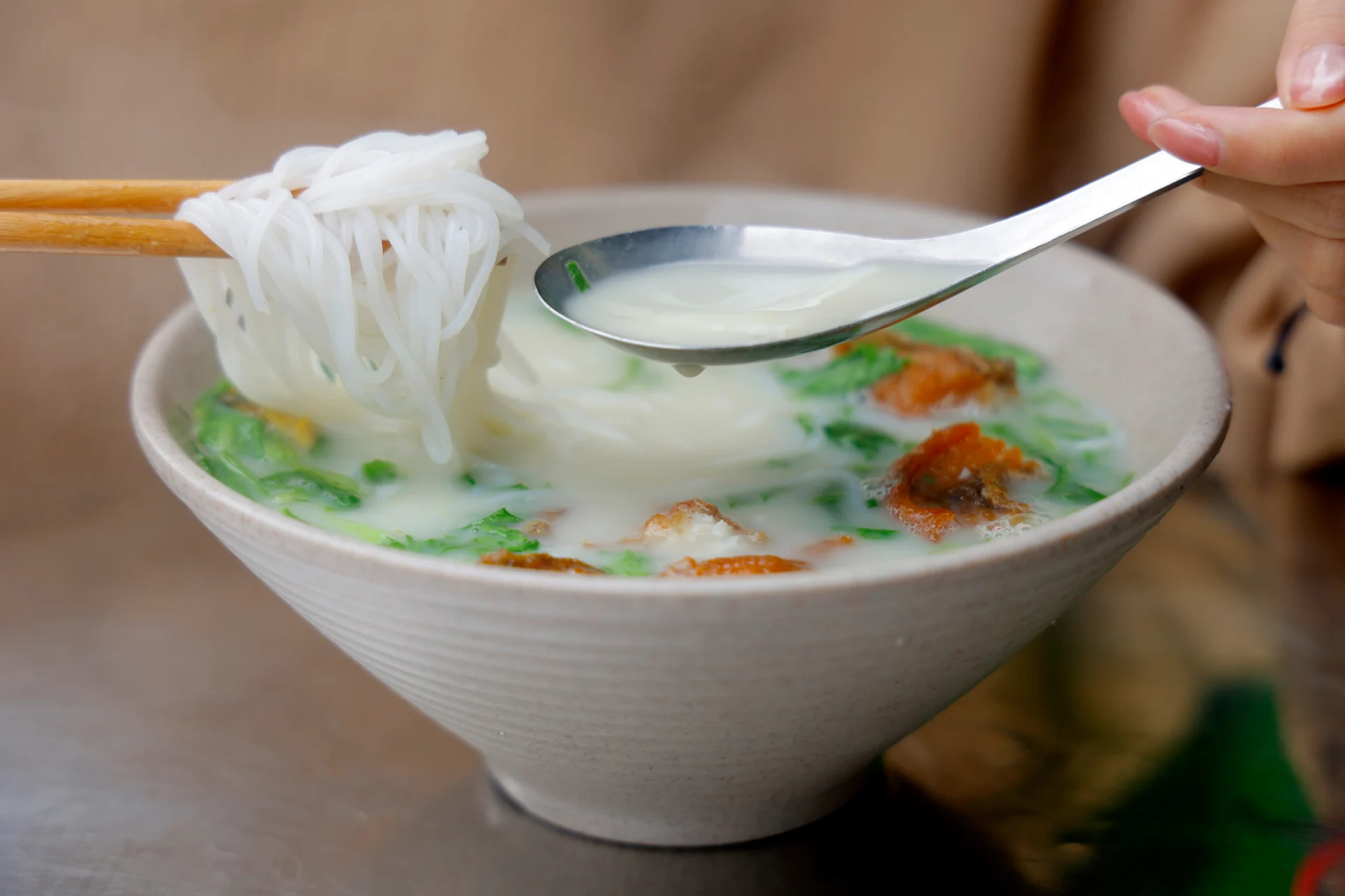
(SGTT) - Have you ever enjoyed pho, beef noodle soup or water noodles with herbs like coriander, basil, basil... but do you know they are actually called herbs.
What are culinary herbs?
Accordingly, Herbs culinary refers to plants or plant parts (leaves, stems, roots) that contain natural essential oils, used to enhance flavor and sometimes provide health benefits. Unlike lettuce and raw leafy vegetables (lettuce), herbs have an amount of essential oils that help dishes add richness and clarity, such as pho, beef noodle soup or noodles.
Therefore, when cooking, people need to distinguish clearly Lettuce and Herb to use for the right purpose, maximize the effects of each vegetable in the dish.
Popular herbs by region
Herbs are popular globally
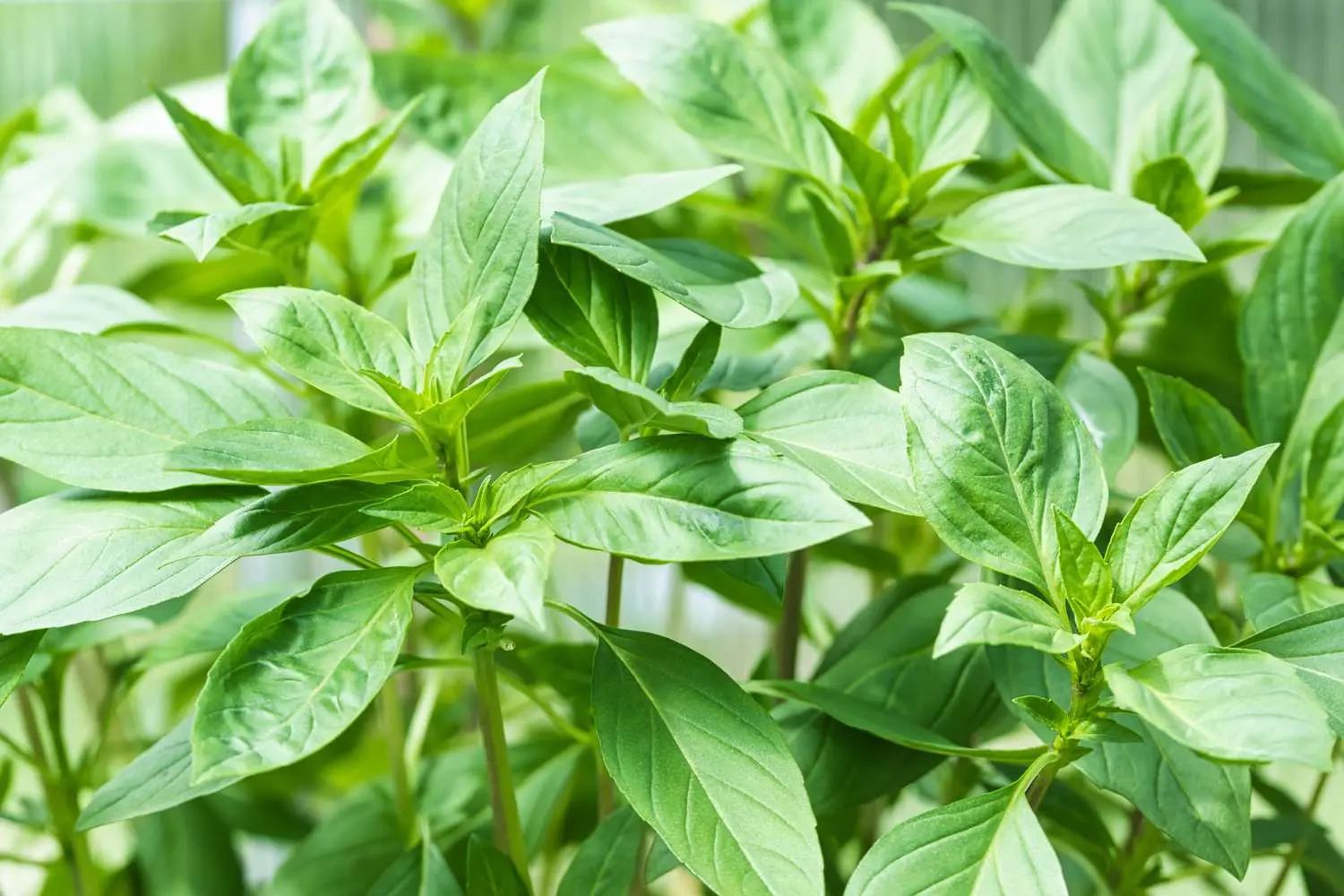
- Basil (Basil): Used a lot in Italian, Thai and Vietnamese cuisine.
- Parsley (Parsley): There are flat-leaf and curly-leaf types.
- Coriander/Cilantro (Coriander): Often used in Asian, Middle Eastern, and Latin American cuisine.
- Mint (Mint): Used in drinks, desserts and savory dishes.
- Dill (Dill): Popular in Northern European and Middle Eastern cuisine.
- Chives (Chives): Adds mild flavor to soups, salads and egg dishes.
- Rosemary (Rosemary): Used for grilled meats, stews and breads.
- Thyme (Thyme): Strong fragrance, used a lot in Mediterranean cuisine.
- Oregano (Oregano): Main ingredient in Italian dishes such as pizza and pasta.
- Sage (Sage): Used for meat, soups and grilled dishes.
Asian Herbs
- Shiso (Japanese perilla): Used a lot in sushi and Japanese salad.
- Holy Basil (Thai basil): Main spice in Thai stir-fries and curries.
- Lemongrass (Lemongrass): Creates a light lemon flavor in Thai and Vietnamese dishes.
- Kaffir Lime Leaves (Thai lime leaves): Used in Tom Yum soup and curry.
- Pandan Leaves (Pandan leaves): Adds color and fragrance to dishes and drinks.
- Perilla (Vietnamese perilla): Used in rolls, fish soup and porridge.
European Herbs
- Tarragon (Tarragon): Creates a unique flavor for Bearnaise sauce.
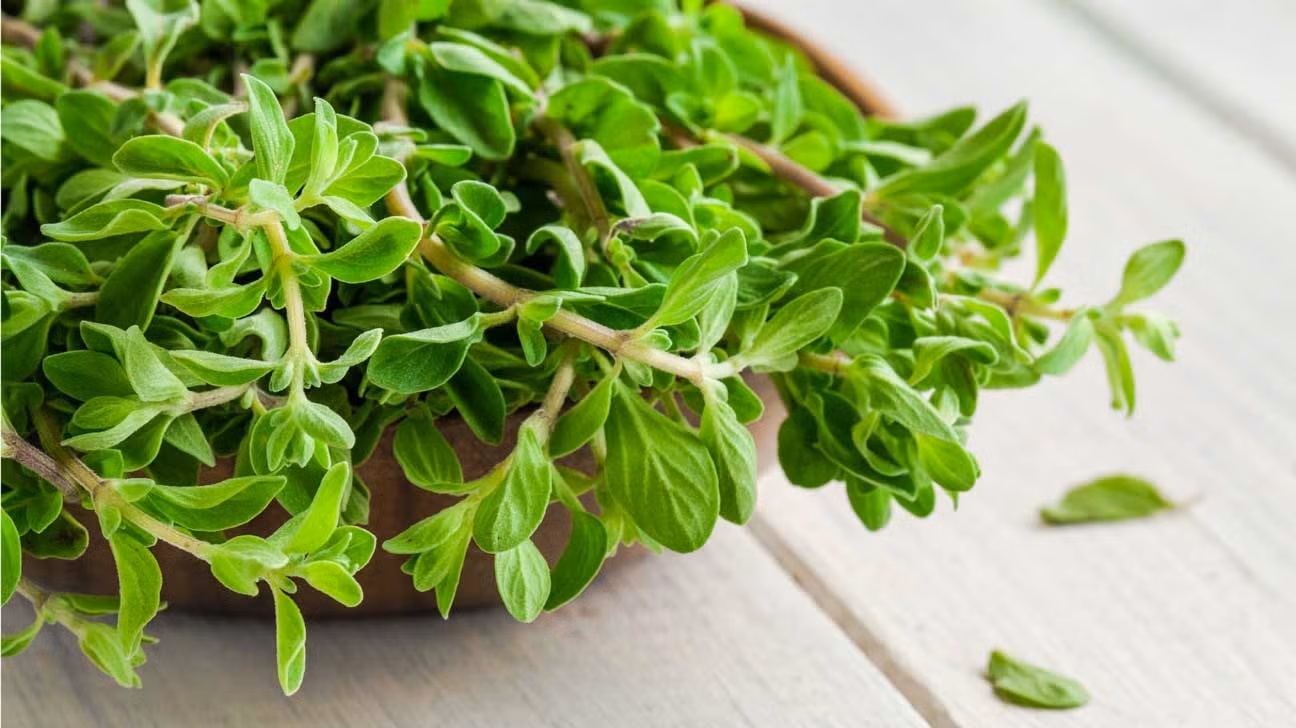
- Marjoram (Sweet marjoram): Milder than Oregano, used in Italian and Greek dishes.
- Lovage (Mountain celery): Tastes like celery, used in soups and sauces.
- Chervil (Coriander): An important ingredient in French dishes.
- Savory (Winter Thyme): Traditional spice in German barbecue.
Herbs Middle East and North Africa
- Za’atar (Wild marjoram): Ingredient in Za’atar spice blend.
- Sumac: Dry spice with strong lemon flavor.
- Fenugreek (Fenugreek): Ingredient in curry powder and Indian dishes.
American Herbs
- Epazote: Traditional Mexican herb, used in bean dishes.
- Culantro (Coriander): Similar to Cilantro, used in Caribbean and Latin American cuisine.
- Yerba Buena: A type of mint, popular in Latin American drinks.
African Herbs
- African Blue Basil: Variant of basil, used in grilled dishes and salads.
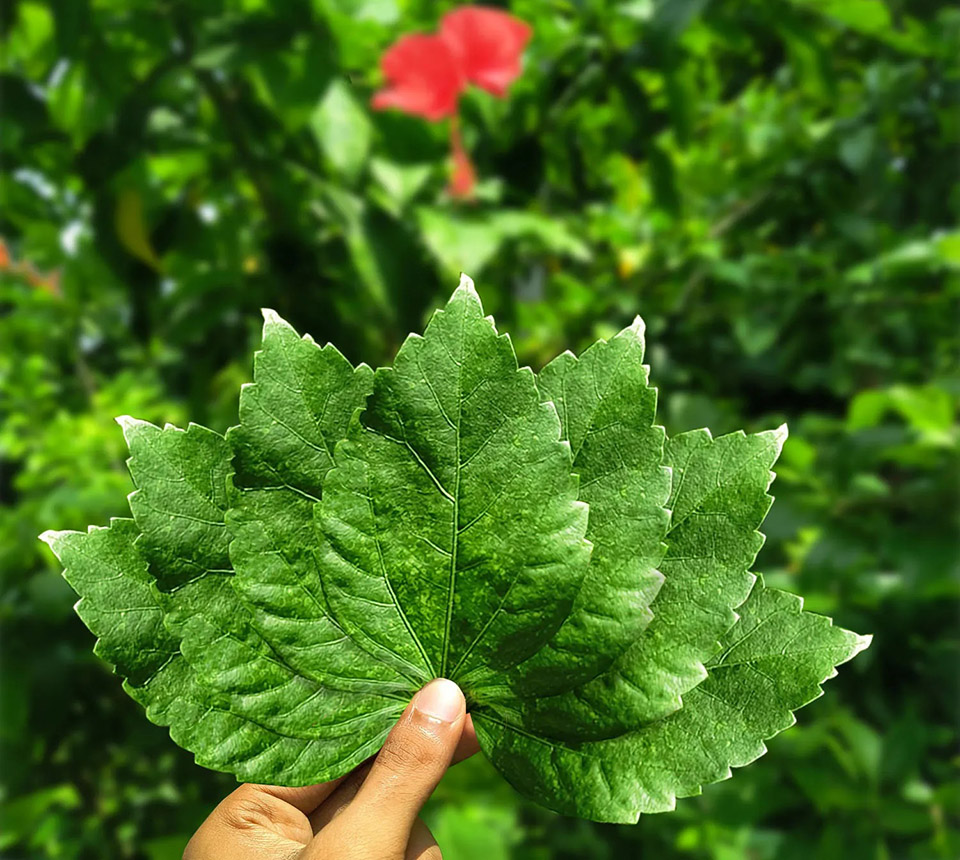
- Hibiscus Leaves (Red hibiscus leaves): Used in tea and stews.
Herbs are less common but special
- Hyssop: Ancient herb, used in Middle Eastern cuisine.
- Sorrell (Soy sauce): Sour taste, used in soups and salads.
- Woodruff: Light vanilla flavor, used in European drinks.
- Bay Leaf (Bay leaf): Used in soups, stews and sauces.
- Dandelion Greens (Dandelion leaves): Bitter taste, used in salads or as tea.
- Nasturtium: The leaves and flowers are both edible and have a slightly spicy taste.
- Fennel Fronts (Dill leaves): Mild flavor, used in salads and soups.
Application of Herbs in cuisine
- Create flavor: Use fresh or dried to enhance the flavor of dishes.
- Aesthetics: Decorate dishes (chives, parsley...).
- Preservation: Some types have antibacterial properties (such as basil, oregano).
- Health benefits: Contains antioxidants, vitamins, minerals. Supports digestion and enhances overall health.
The use of herbs is not only based on flavor but also depends on nutritional value and how to combine ingredients to create a balanced dish.
"Herbs" are often mistaken for side vegetables
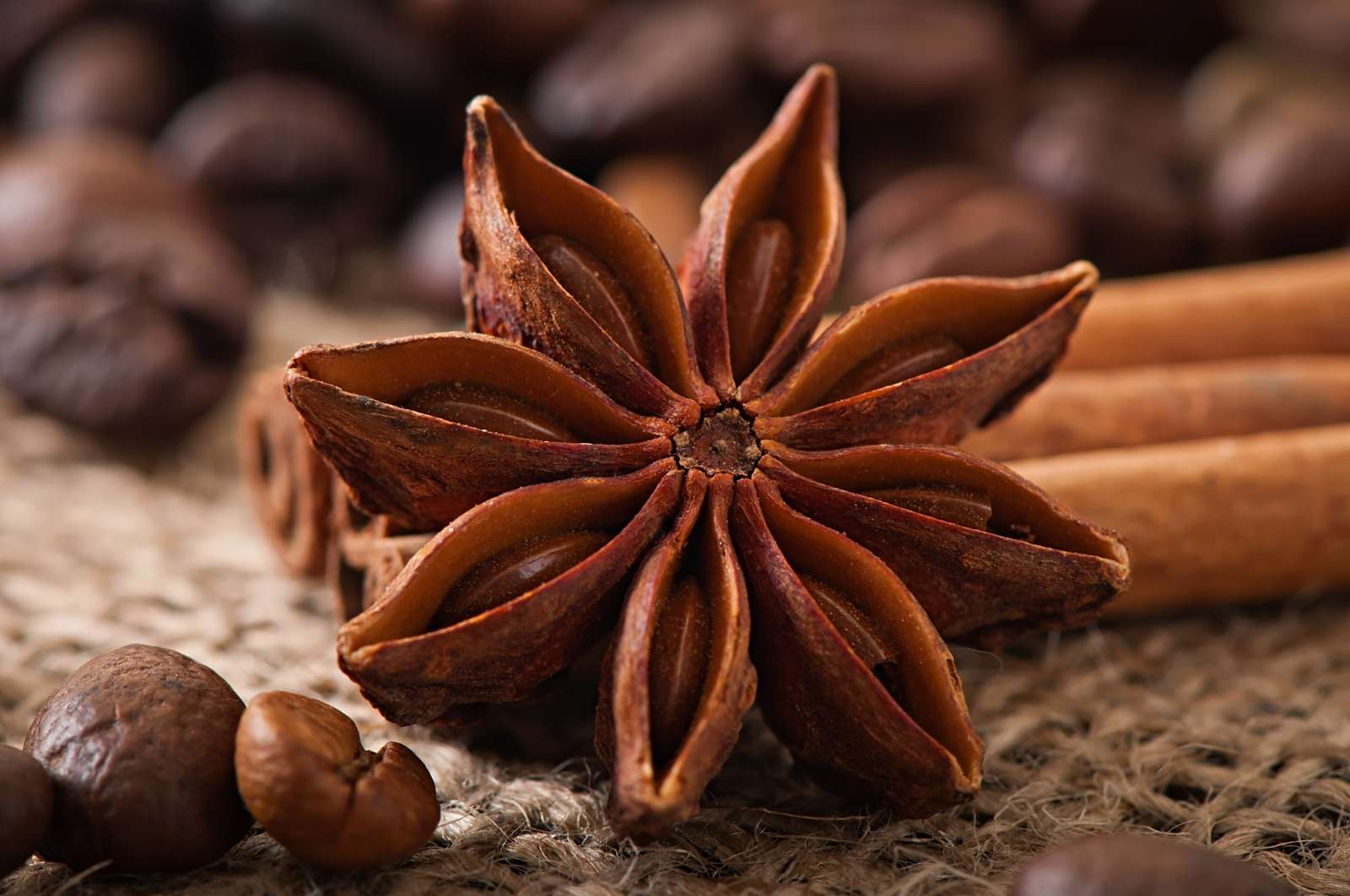
- Cinnamon bark & Leaf: Cinnamon bark is a dry spice, but cinnamon leaves (used in Indian and Sri Lankan cuisine) are also herb. Cinnamaldehyde essential oil creates fragrance, is antibacterial, and should not be eaten raw but cooked as an herb.
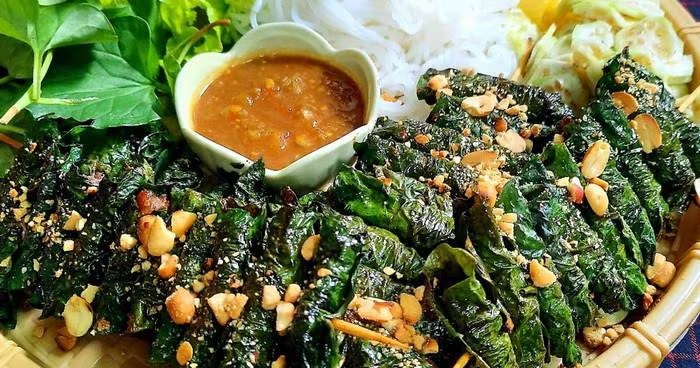
- Pepper leaves (Lot pepper leaves, lolot leaves): Belongs to the pepper family, does not have many volatile compounds, has a pungent odor, warm properties, is used to mask fishy odors or aid digestion. It is a native herb to Southeast Asia.
- Scallion/Green Onion: Contains sulfur essential oil that creates a mild pungent odor. Use both leaves and roots to add flavor to soups, porridge, vermicelli, and pho.
- Leeks (Leek/Poireau): Although it resembles a vegetable, it is an herb that belongs to the onion family. The white part is lightly fragrant, the green part is used to create a sweet background scent.
Conclusion: Vegetables that contain essential oils, creating a characteristic background flavor – even though they look like vegetables – are still classified in the group herbs, is not lettuce.
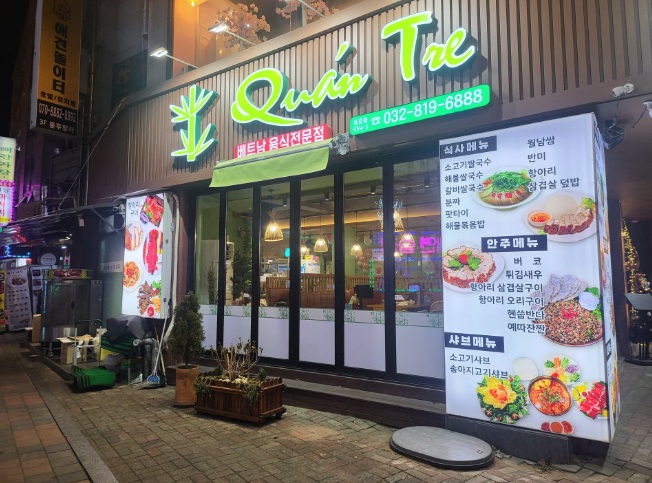
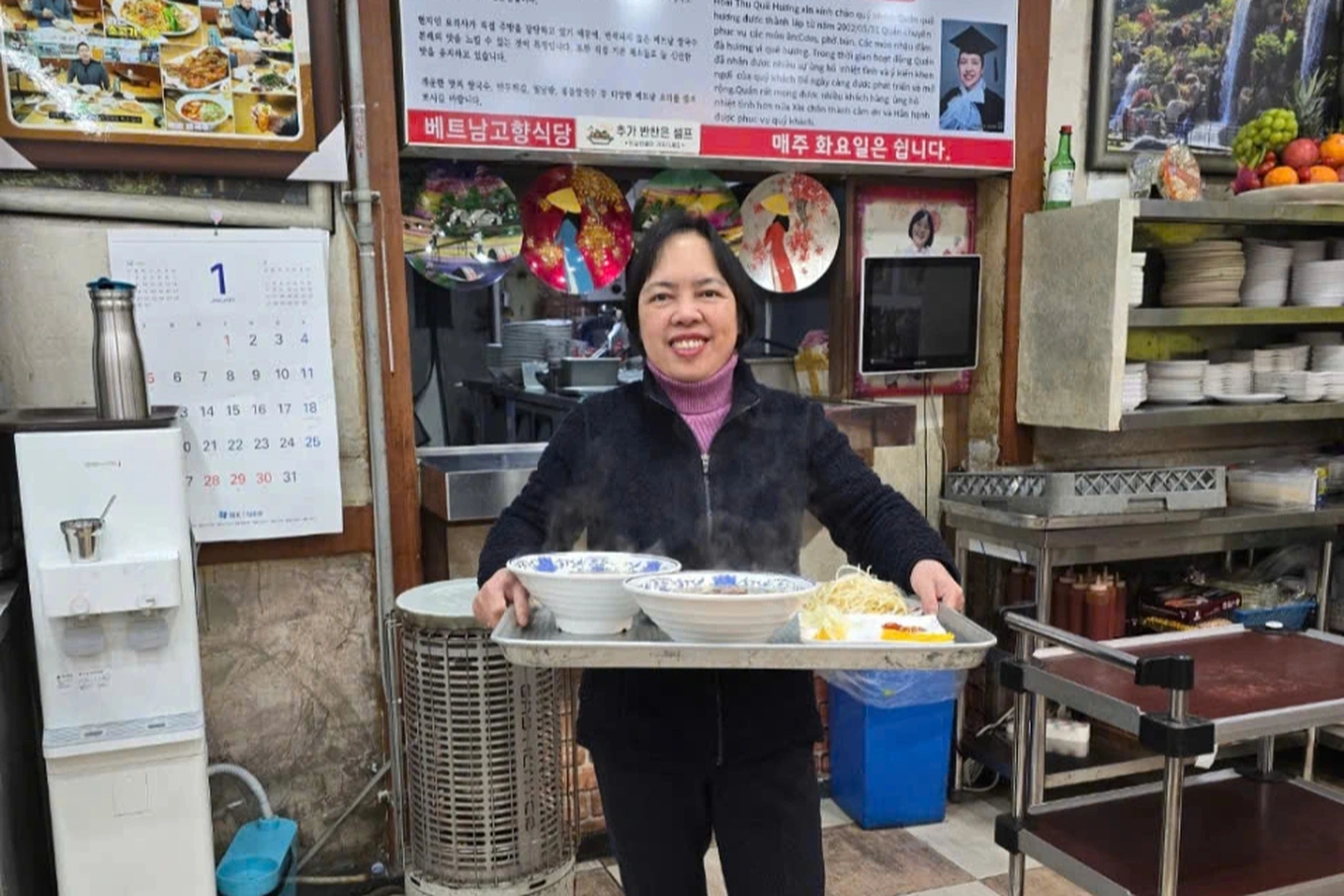
NoodleSaigon20 - The First Fresh Bun & Pho Noodles in Korea
At NoodleSaigon20, we firmly believe that selecting the right variety of rice is essential to crafting authentic and delicious bowls of bun and pho. We use carefully selected rice grains to produce fresh noodles that meet the highest quality standards, ensuring an exceptional culinary experience for our customers.
-
01. Traditional flavor, exceptional quality
-
02. International standard HACCP-certified factory (Hazard Analysis and Critical Control Points)
-
03. Advanced freezing technology for optimal preservation
-
04. Convenient and easier to prepare than dried noodles
-
05. Loved by international diners, exported to Korea, Japan, and beyond…
Our products are currently available for wholesale and retail in South Korea. You can order via Hotline or message us on Facebook: