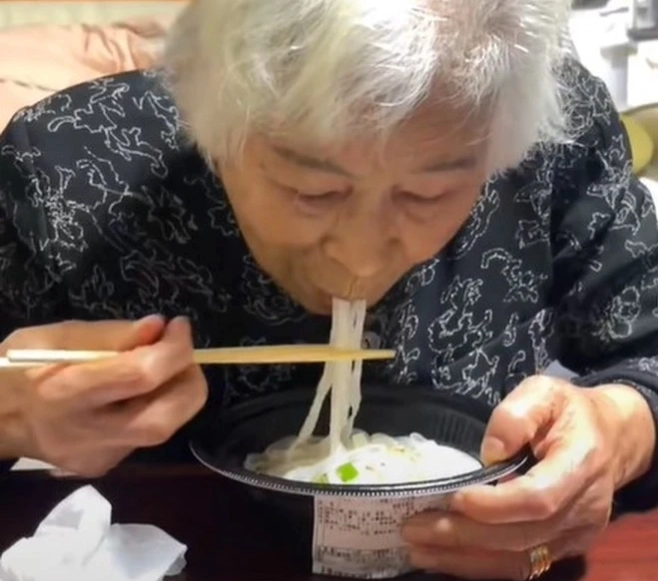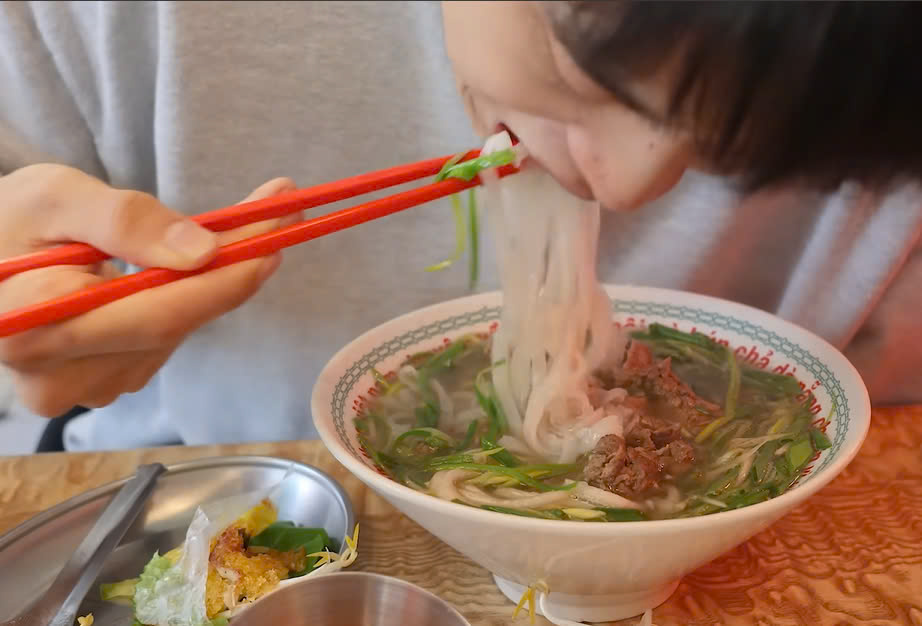
According to experts, on the basis of inventory and standard positioning with core values, we have a complete basis to submit a dossier to UNESCO to register pho as an intangible cultural heritage of humanity.
Find the origin of pho
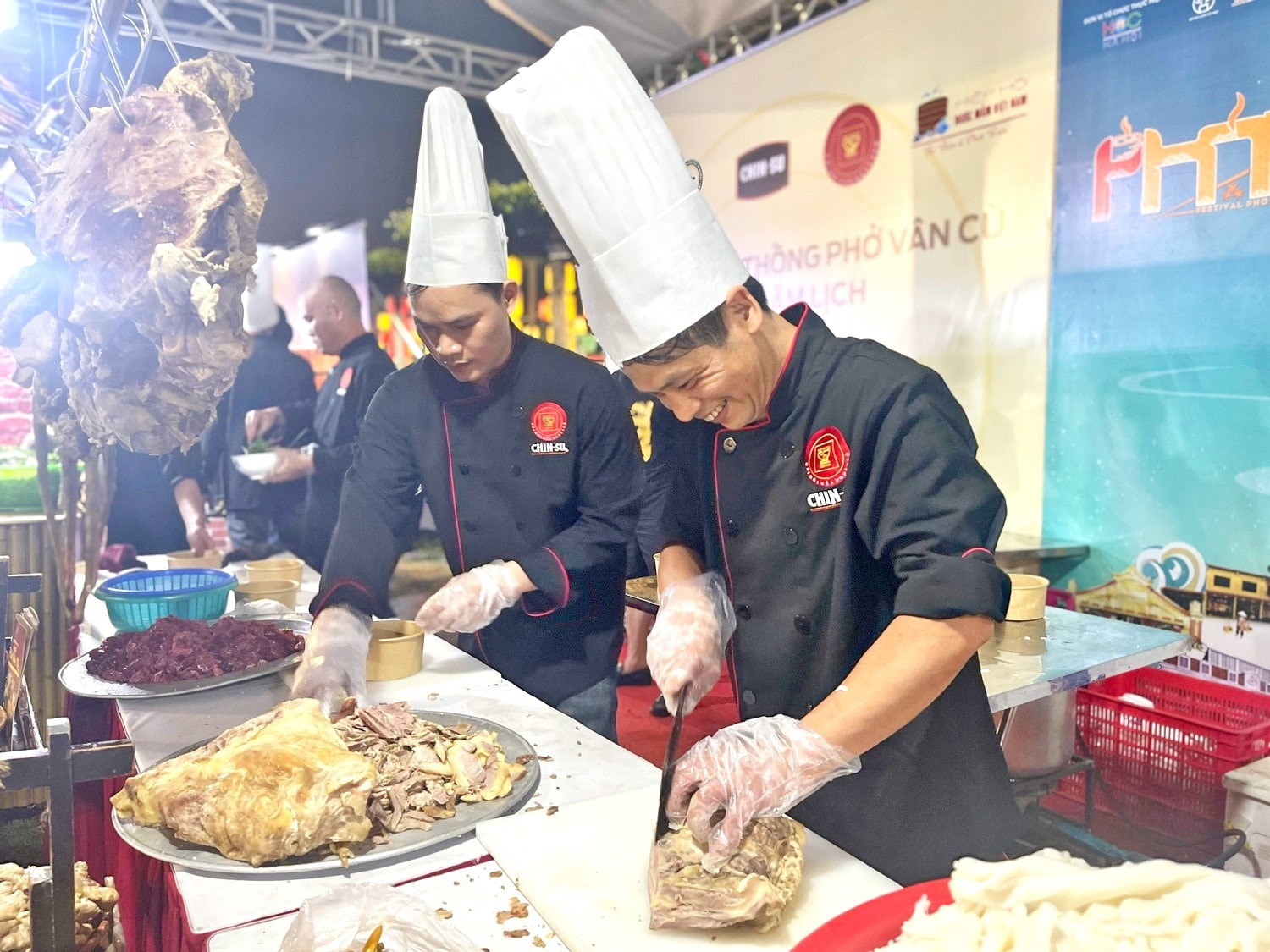
At the seminar "Pho - The journey to become a UNESCO heritage and spread internationally" on the morning of April 19 within the framework of Pho Festival 2025, the issue of the origin of pho was raised by many researchers with different hypotheses.
According to researcher Vu The Long, there have been a number of studies that suggest that pho originated from the Chinese dish of rice noodles, a dish made from vermicelli (rice flour) and beef. In the early twentieth century, Chinese people sold this dish in Hanoi, the name pho "came from the word chalk".
Another theory is that the name "pho" is borrowed from the word "feu" (French) in the phrase referring to the dish pot-au-feu (beef soup) which was brought to Vietnam during the French occupation, around 1858. However, the ingredients and how to prepare this dish are not related to Vietnamese pho; Therefore, “feu” cannot be considered “pho”.
"I think, those are just hypotheses and not convincing, because we have seen pho appear in Vietnam with its characteristics before the twentieth century. With different names, from mixed pho, liquid pho, rolled pho, to sour pho, corn pho, beef pho, chicken pho... this dish is combined by simple but sophisticated ingredients and with each region's own creative style. We should see it as a symbol, aspect. next to Vietnamese culinary culture, a product of Vietnamese people," said Mr. Vu The Long.
In another study, historian Duong Trung Quoc stated that it is not important where pho was born, but rather what need it came from. Vietnam is a country of natural, ecological and social diversity with many communities, ethnicities and beliefs; There is access to many cultural regions, including cuisine.
"Personally, I think that pho is the integration of three 'kitchens', Vietnam's role is to integrate and turn it into one dish. Those three kitchens include: kitchens of civilized countries with wet rice (glutinous rice), kitchens that locate in the historical time the custom of eating beef (from the French) and Southeast Asian kitchens (with the most important feature being fish sauce). Plain rice, beef and fish sauce are the main ingredients to make pho, missing one of the three grains. With this filling, there will be no pho."
Folk artist Nguyen Quoc Y has heard many claims that pho originates from the quintessence of French cuisine, pho of Hanoians and Nam Dinh people, but few people know that Saigon beef pho has had a journey of development for up to 300 years. Although there is no fish sauce flavor, Saigon beef pho has up to 15 flavors with vegetables, basil...
"If we are knowledgeable about cuisine, we cannot conclude which region's pho is the best, but it depends on the taste of each person, each region, how through this dish, we can bring the cultural values of Vietnamese people to a higher level."
Locating cultural values and national soul
Artisan Vu Ngoc Vuong, Van Cu village, Dong Son commune, Nam Truc, Nam Dinh, said that pho is completely worthy of building a dossier to submit to UNESCO for registration, but he is concerned that pho is being commercialized because we have not defined what ingredients are in pho, where the ingredients come from, the values of pho, the current status as well as the different versions of pho.
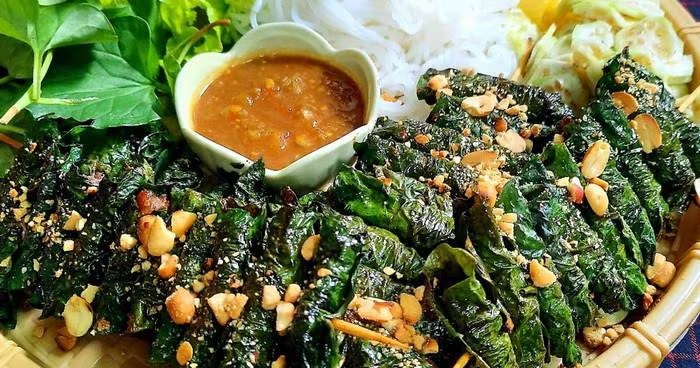
"On the market currently, there are artichoke pho, sour pho, corn pho... all of which are Vietnamese, just different ways of calling them. It is necessary to look at the standards in pho, with (fresh) pho noodles being the main source, originating from rice, broth, meat and spices. This is because in the future there may be many other names for pho, many ways to prepare pho, leading to many problems that make it difficult for future generations to distinguish the core ingredients in a traditional bowl of pho," he said. Vuong analyzed.
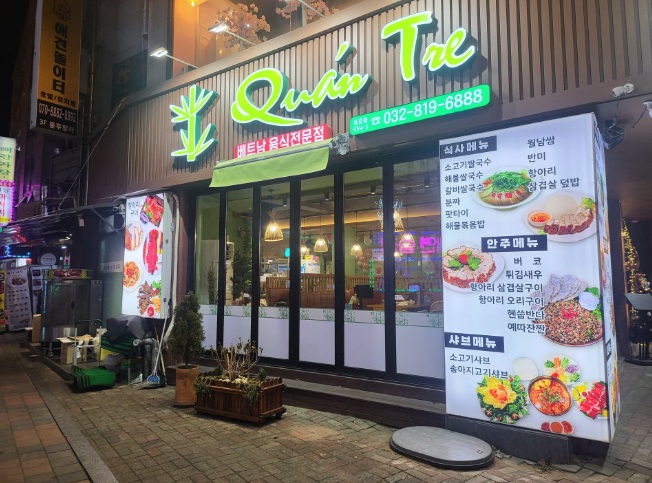
Vice President and General Secretary of the Vietnam Culinary Culture Association La Quoc Khanh affirmed that pho has been widely spread and introduced to Japan, Korea and many countries around the world. "In the journey towards being recognized by UNESCO, pho needs to identify the cultural values, philosophy of life, and national spirit left by our ancestors."
According to the suggestion of Mr. Nguyen Huu Viet, Deputy Director of the Hanoi Tourism Promotion and Information Center, Hanoi Department of Tourism, it is necessary to develop culinary tours about pho, organize annual domestic and international events about pho, to attract more and more tourists to know about Vietnamese pho.
Vice Chairman of the National Cultural Heritage Council Dang Van Bai affirmed that in the context of deep integration, pho must have an international brand. If Pho is included in the list of Intangible Cultural Heritage of Humanity, it will enhance the national and international brand. Therefore, filing documents is very necessary, but currently there are only two localities active in this work: Hanoi and Nam Dinh. Mr. Bai wants to connect localities with pho to build a representative profile of the heritage community.
NoodleSaigon20 - The First Fresh Bun & Pho Noodles in Korea
At NoodleSaigon20, we firmly believe that selecting the right variety of rice is essential to crafting authentic and delicious bowls of bun and pho. We use carefully selected rice grains to produce fresh noodles that meet the highest quality standards, ensuring an exceptional culinary experience for our customers.
-
01. Traditional flavor, exceptional quality
-
02. International standard HACCP-certified factory (Hazard Analysis and Critical Control Points)
-
03. Advanced freezing technology for optimal preservation
-
04. Convenient and easier to prepare than dried noodles
-
05. Loved by international diners, exported to Korea, Japan, and beyond…
Our products are currently available for wholesale and retail in South Korea. You can order via Hotline or message us on Facebook: